


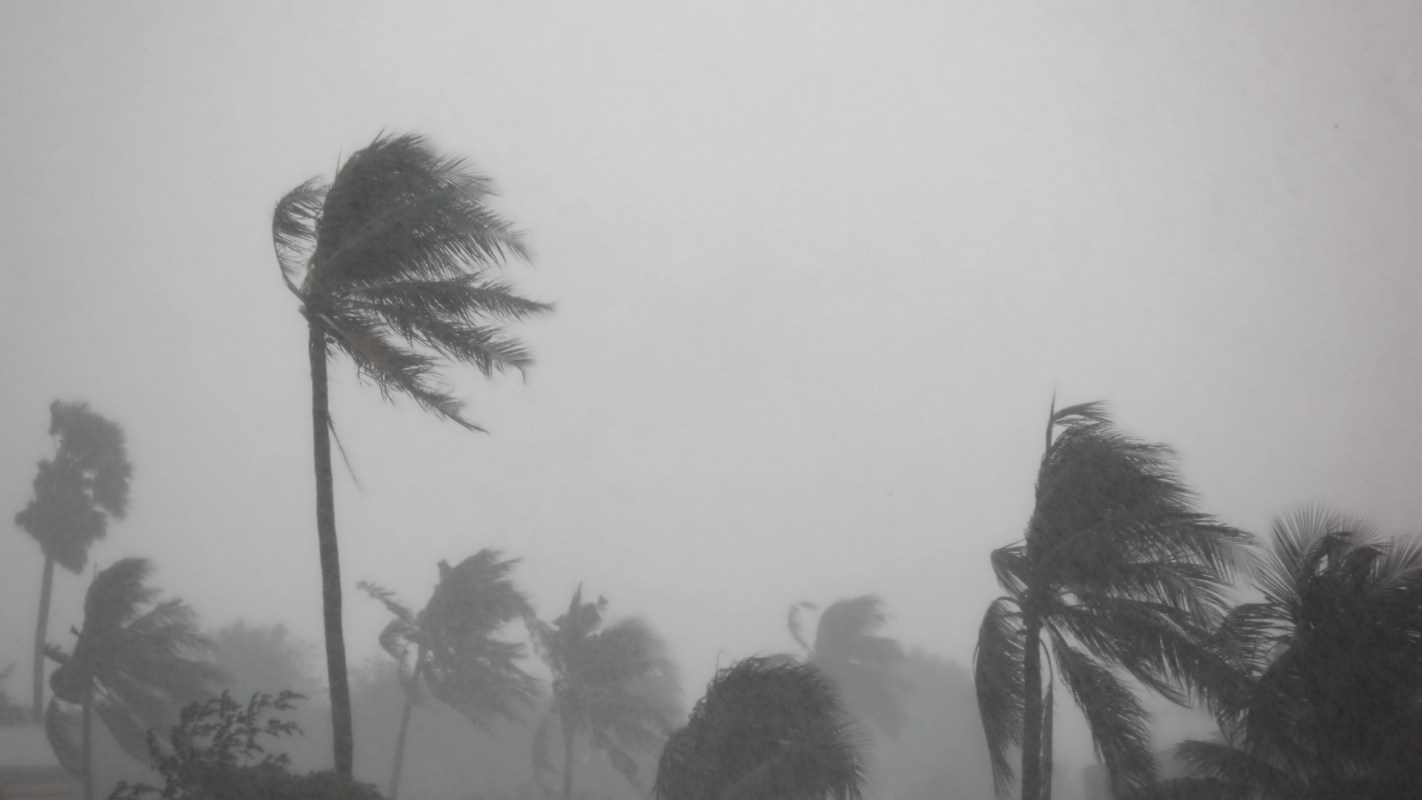
An unusual pair of Pacific cyclones may have done more than produce rare weather.
They could be helping to build an El Niño that is already drawing comparisons to the disastrous event of 1877.
What's happening?
The historical comparison is central to the warning. The 1877-78 El Niño was likely the strongest ever recorded, and historians associate that period with the Great Drought.
A YouTube explainer video by PBS Terra (@pbsterra) says the warming persisted for 16 months, weakened two summer monsoon seasons, and contributed to famine across several monsoon regions, including South and Southeast Asia, West Africa, and Central America.
The 1877 event accounted for more than 50 million estimated deaths worldwide. In April 2026, events brought a rare Pacific setup: two cyclones formed on opposite sides of the equator and briefly disrupted the trade winds, which normally help keep warm water piled up in the western Pacific.
That interruption may have helped generate a large Kelvin wave, which can signal the early stages of El Niño. When unusually warm water spreads eastward across the tropical Pacific, El Niño can affect rainfall, heat, and storm patterns around the world. If it fully develops, PBS Terra argues this event could rival or even exceed the 1877-78 episode.
TCD Picks » Quince Spotlight
💡These best-sellers from Quince deliver affordable, sustainable luxury for all




The video also stresses that weather alone did not cause the earlier catastrophe. Colonial extraction, grain exports, war, and failed safety nets all turned drought into mass starvation.
Why does it matter?
A strong El Niño usually does not stay confined to the ocean. PBS Terra says it can dry out the Amazon, intensify heat in parts of Asia, disrupt monsoons, and change hurricane activity. Far from the Pacific, that can translate into crop losses, dangerous heat, and water shortages.
This is all arriving at a time when many places are already vulnerable. The video says conflict, economic shocks, and cuts to humanitarian aid are leaving communities more exposed to food insecurity and disease even before another major climate event peaks.
Viewers in the comments tied that warning to present-day conditions.
One commenter wrote, "Failed crops due to heat and the lack of fertilisers thanks to the wars. 2027 isn't going to be an easy year either."
Another risk factor is the lack of recovery time between disasters. Communities still dealing with heat waves, floods, or drought may have less capacity to handle the next shock if extreme events keep coming one after another.
What's being done?
Today's world has more protection against famine than the 19th century did. Modern agriculture, global trade, and emergency relief make a disaster on that scale far less likely, and forecasting has improved sharply as well.
Monitoring ocean conditions and warming patterns can provide earlier warning so communities have more time to prepare for drought, heat, flooding, or crop stress.
Even so, the video says those defenses depend on institutions that can still function. Cuts to aid programs and to weather, ocean, and climate science could make it harder to deliver food, health support, and early warnings to the places that need them most.
"Ultimately, what matters is not how strong the El Niño is. What matters is how strong the impacts are around the world," the video's narrator said. "We can allocate resources to places that we think would need them because we know that the impacts are likely to be severe."

Get TCD's free newsletters for easy tips, smart advice, and a chance to earn $5,000 toward home upgrades. To see more stories like this one, change your Google preferences here.






