


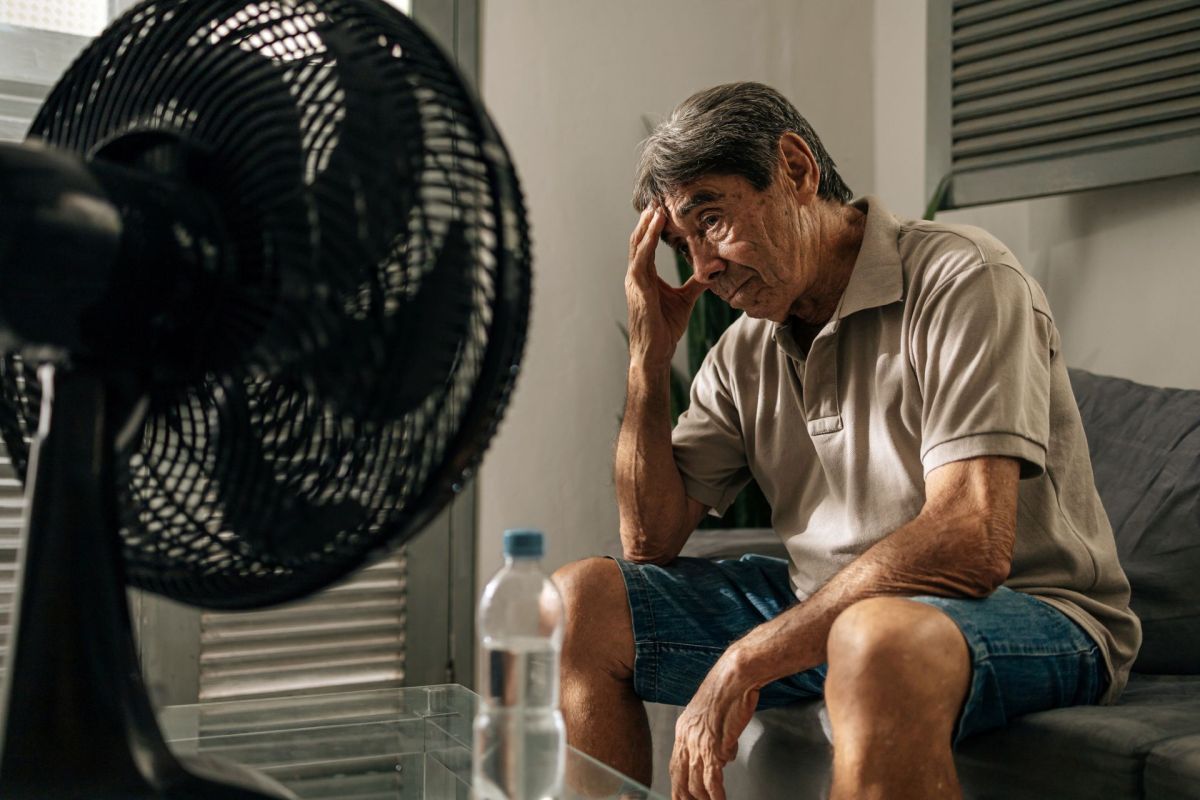
Online reaction to a punishing heat wave affecting parts of the United States and Canada has turned into a familiar climate dispute about accountability. After scientists said this level of heat would have been essentially impossible without global warming, the debate shifted to who should be held accountable for the damage.
On Reddit, users split over whether the focus belongs on personal behavior, the pollution produced by major companies, or the failures of the government and the people in power.
What's happening?
The debate played out in a widely shared Reddit thread, where someone posted a New York Times article under the headline: "Without climate change, US heat wave called 'virtually impossible,' scientists say." In r/environment, the post generated over 200 comments.
The New York Times article discusses how scientists used a heat-stress measurement that accounts for humidity, wind, and sunlight, along with current weather data, to assess how much climate change has influenced this heat wave. They found that it would have been nearly impossible to get to this level of heat in the cooler climate before humans started industrializing and releasing large amounts of heat-trapping gases.
Few people there spent much time disputing the science. One commenter expressed how this news came as no surprise, joking, "In other news, water is wet."
Where people started to disagree, however, was on who was responsible. Some users said individuals still have a duty to cut their own emissions by choosing a plant-based diet, driving less, having fewer children, and reducing energy use at home wherever they can.
TCD Picks » Quince Spotlight
💡These best-sellers from Quince deliver affordable, sustainable luxury for all




"How many will become vegan to save the planet?" one commenter asked. "How many will opt to have one kid and one only (or none)? How many will leave the car at home and take mass transit to work?"
Others pushed back, saying that that approach shifts attention away from the biggest polluters. One Redditor notes "the decades of disinformation and propaganda that massive corporations have put out to make the consumer feel like they can change this problem 'with their wallet'."
Other commenters argued that fossil-fuel-funded climate denial and large system-level changes — like retiring coal plants and shifting away from gas-powered vehicles — matter far more than expecting regular people to repair a problem they did not create.
Why does it matter?
Heat waves are not merely uncomfortable. They can drive up electric bills, strain power grids, worsen air quality, increase the risk of heat-related illness, and make outdoor labor more dangerous. For many families, extreme heat brings both health risks and financial stress.
Many people now accept that climate change is intensifying extreme weather. The question is how societies respond — and if the consequences will continue to fall on communities rather than the industries most responsible.
That tension is likely to keep growing as hotter summers become more common and more costly.
What can I do?
Individual action still has value, especially when it helps protect health or lower household costs. During extreme heat, that can include using cooling centers, checking on neighbors, closing blinds during peak sunlight, running fans strategically, and weatherizing a home to keep cool air inside longer. Using public transit when available, line-drying clothes, eating more plant-based meals, and avoiding unnecessary energy use can reduce household pollution and cut costs.
Even if some everyday choices can reduce emissions, they are not a full answer. One user expressed how large companies need to take more responsibility, writing, "Look at how much corporations pollute compared to consumers - they definitely could be doing more to cause less harm to our planet."
Projects like California's proposed high-speed rail station near Merced to improve access to Yosemite show how public infrastructure decisions can expand cleaner transport options.
So people can take practical steps and make better day-to-day choices without acting as if consumers alone caused the climate crisis — or have the power to solve it by themselves.

Get TCD's free newsletters for easy tips, smart advice, and a chance to earn $5,000 toward home upgrades. To see more stories like this one, change your Google preferences here.






