


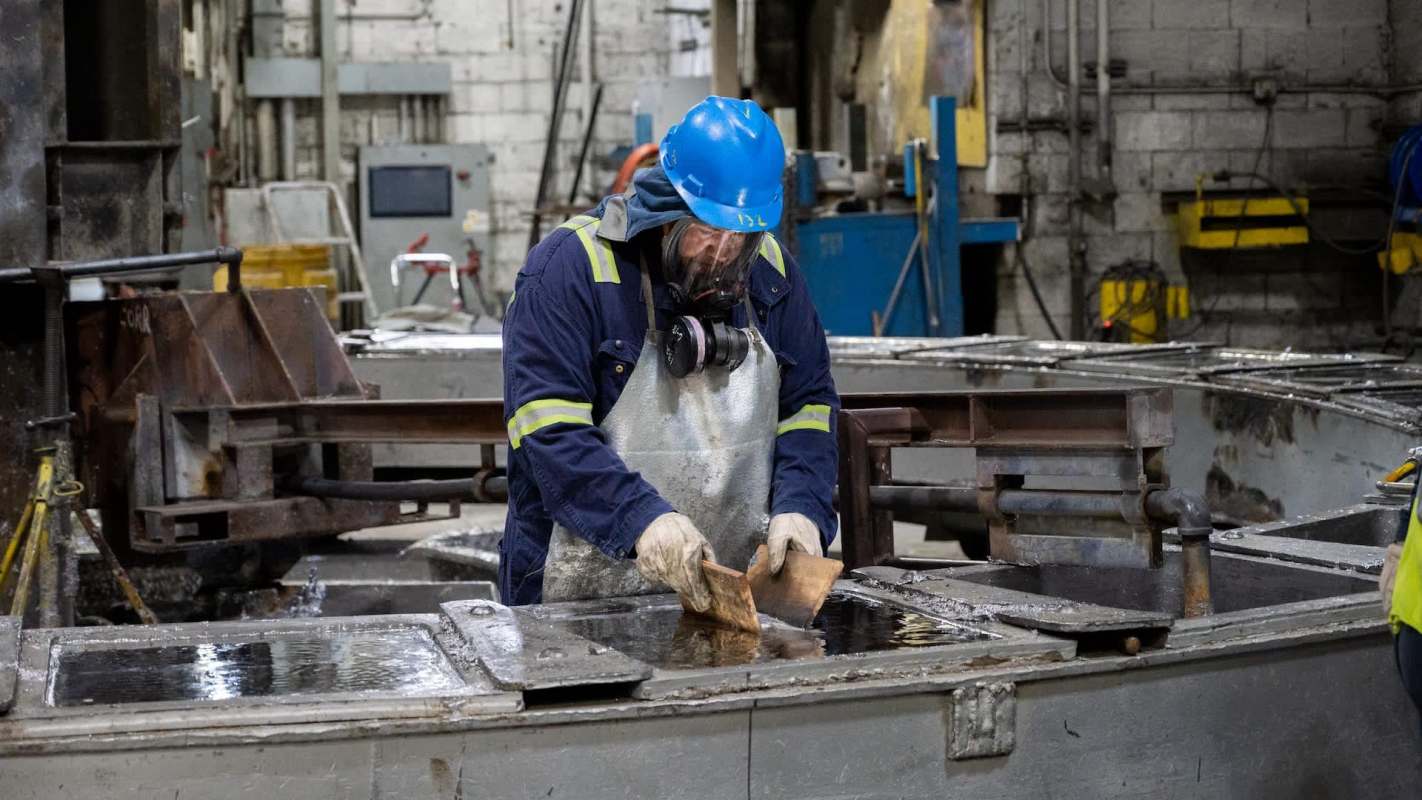
A lawsuit filed in Minnesota is drawing renewed attention to how industrial lead exposure can follow workers home, even after their shifts end.
According to families in Eagan, Minnesota, toxic dust wasn't contained inside a local battery-recycling facility, and children ultimately suffered the consequences.
What happened?
At the center of the case is Gopher Resource, a corporation that runs a lead-acid battery recycling plant in Eagan. Several families allege that lead left the facility on workers' clothes, shoes, and other belongings and later exposed children at home, MinneapolisMedia News reported.
In workplace-safety terms, the allegations describe what is often called "take-home" exposure — hazardous material spreading beyond a job site on items such as jackets, phones, or car interiors. In this case, the families' attorneys say lead dust made that trip from the plant into workers' homes, where children were then exposed.
Those claims have not yet been proven, and Gopher Resource will get the opportunity to respond in court. Additionally, the families in the suit will still need to present evidence that connects the harmful exposure to the plant's operations.
The case follows earlier concerns at the same plant. In 2025, the Minnesota Pollution Control Agency issued a notice of violation after monitoring showed lead emissions exceeding air-quality limits over a three-month stretch.
TCD Picks » Quince Spotlight
💡These best-sellers from Quince deliver affordable, sustainable luxury for all




Why does this matter?
The case suggests that the dangers of industrial pollution may not stop at a facility's fence line. If toxic dust leaves a workplace on clothes or belongings, relatives may encounter it at home without ever setting foot in the plant.
Children face heightened risk from lead because their bodies and brains are still developing. Public health authorities have warned that lead can hinder learning, attention, behavior, and neurological development.
The lawsuit also raises questions about corporate responsibility. Recycling lead-acid batteries can help keep hazardous waste out of landfills, but that benefit is undercut if a company does not adequately prevent dangerous materials from harming workers, families, and nearby communities.
What's being done?
The lawsuit could prompt closer scrutiny of what protections were in place at the Eagan facility. That could include employment records, environmental testing, blood-lead results, expert testimony, and workplace-safety procedures aimed at keeping lead inside controlled areas.
Major questions include what safeguards were in place, whether training and protective gear were adequate, and whether enough was done to keep lead from leaving controlled work areas.

Get TCD's free newsletters for easy tips, smart advice, and a chance to earn $5,000 toward home upgrades. To see more stories like this one, change your Google preferences here.






