


Testing in East Moline, Illinois, has identified elevated levels of lead in the drinking water at a number of individual homes and businesses, drawing attention to the risks posed by older plumbing.
Officials say the issue is significant for those properties but does not indicate a citywide failure of the municipal water system.
What's happening?
According to Our Quad Cities, which cited a City of East Moline news release, recent monitoring detected elevated lead at certain privately owned homes and other buildings. The same release said water from the city's Water Filtration Plant is still meeting state and federal requirements when it leaves the plant.
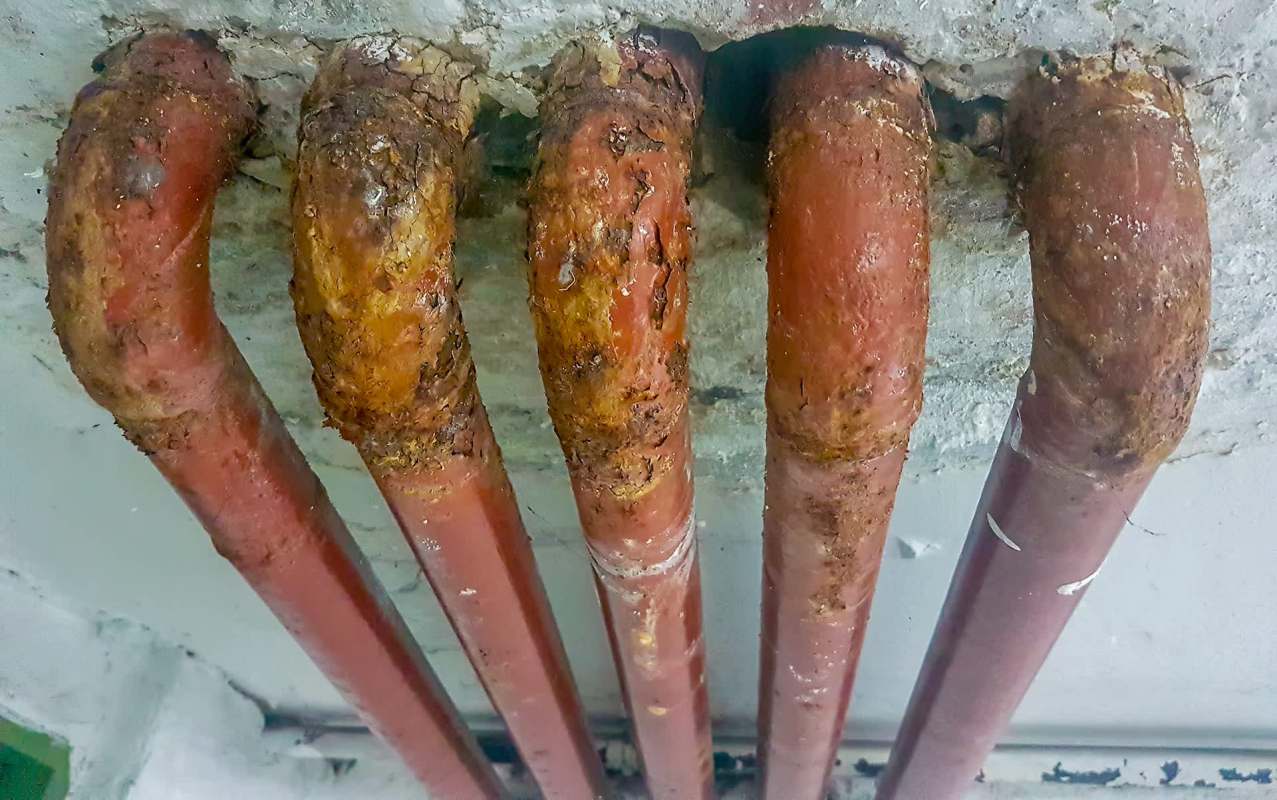
City officials said the elevated results are being linked mainly to older service lines made of lead or galvanized material, along with plumbing inside buildings, including brass fixtures and lead solder. Properties constructed before 1986 are seen as more likely to contain those features.
During East Moline's January 2026 to July 2026 monitoring cycle, the city took 60 relevant samples. More than one-tenth exceeded the U.S. Environmental Protection Agency's action level for lead of 15 parts per billion, a threshold that requires public education and other measures to limit exposure.
The city's news release said people in the sampling program were mailed their results.
TCD Picks » Quince Spotlight
💡These best-sellers from Quince deliver affordable, sustainable luxury for all




Why is this concerning?
Public health experts warn that lead exposure may impact human development and attention span while contributing to learning or behavior problems in children. Adults exposed to the material may face higher odds of heart disease, hypertension, and kidney or nervous system trouble.
Meanwhile, communities across the country and around the world have been grappling with lead-contaminated water concerns as older infrastructure continues to age and complications arise. For example, water can leave a treatment plant in compliance and still pick up lead as it moves through aging service lines or household plumbing.
What's being done?
Officials say the city's "Get the Lead Out" initiative is meant to reduce exposure from privately owned lead and galvanized service lines. East Moline estimates there are about 2,000 private lead service lines and says 277 have already been replaced.
East Moline says the broader replacement strategy includes completing a full inventory of service-line materials, setting priorities for replacement, expanding communication and sampling, and pursuing funding. Under that plan, the city says the remaining lines are targeted for completion by the end of 2028.
In the meantime, the city advises running cold taps after water has sat for a while, sticking to cold water for drinking and cooking, regularly rinsing aerator screens, and using lead-removal filters.
The city is also urging homeowners to have a licensed plumber check internal plumbing for other possible lead sources. It said free help is available to determine unknown service line materials, and residents with results above 15 parts per billion are being offered water pitcher filters.

Get TCD's free newsletters for easy tips, smart advice, and a chance to earn $5,000 toward home upgrades. To see more stories like this one, change your Google preferences here.






