


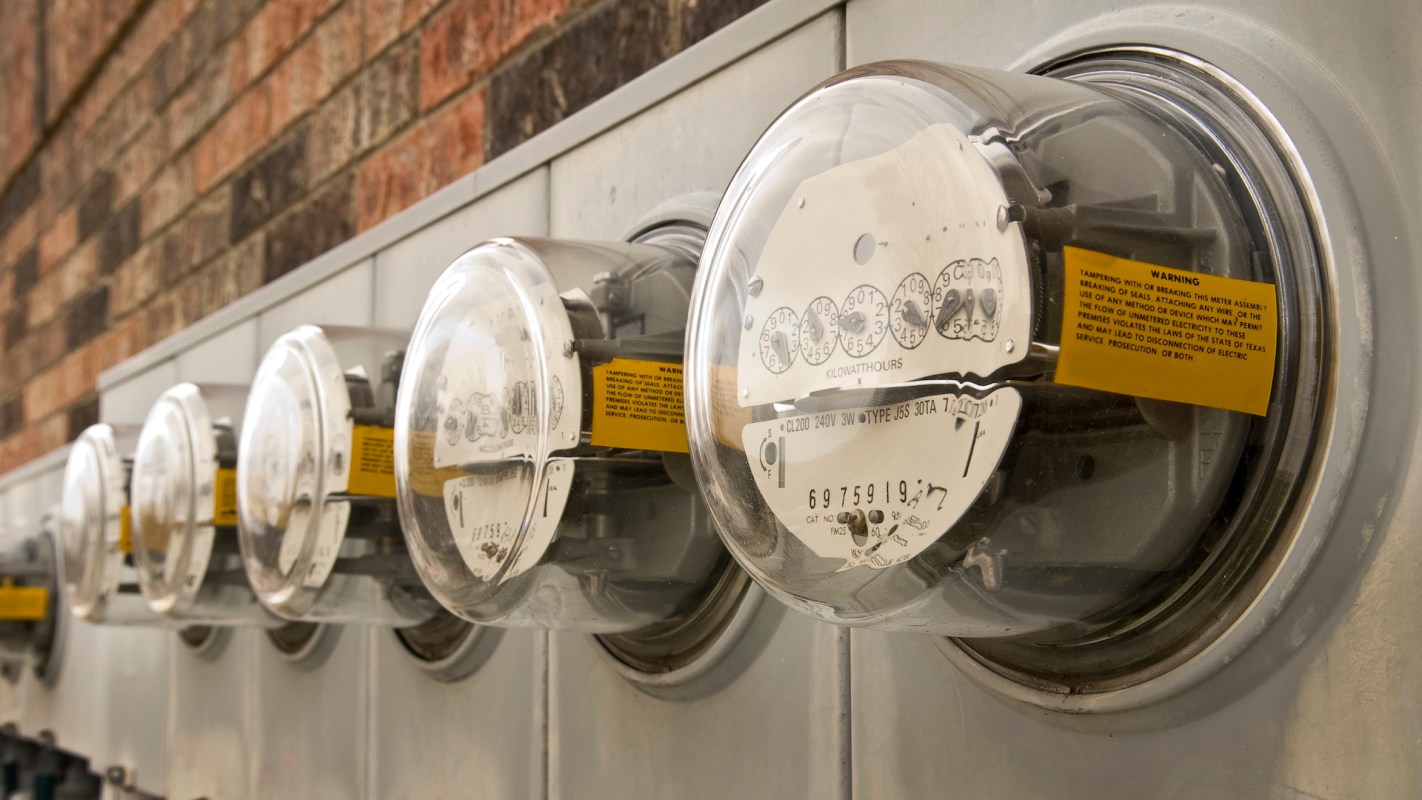
Another scheduled change in electric pricing is coming to Massachusetts. For some households, it will mean higher monthly costs on top of already expensive bills.
Starting Aug. 1, the shift is expected to add roughly $10 per month for many customers served by the state's largest utilities.
What's happening?
Utilities such as National Grid, Eversource, and Unitil reset their standard electricity supply prices every six months, and the next adjustment lands Aug. 1.
According to The Boston Globe, those prices are projected to move from about 15 to 16 cents per kilowatt-hour to roughly 17 to 18 cents.
For a home using the Globe's estimate of about 600 kilowatt-hours each month, that change would add around $10 to the monthly bill.
The Globe reported that 31% of National Grid customers are projected to see the higher rate; for Eversource, the figure is 36% in western Massachusetts and 15% in eastern Massachusetts, including Boston.
TCD Picks » Quince Spotlight
💡These best-sellers from Quince deliver affordable, sustainable luxury for all




That's because many residents don't buy electricity at the utility's standard supply rate. In Massachusetts, utilities mainly deliver power, while many customers get their electricity through city-run purchasing programs or outside suppliers.
Why does it matter?
Even a $10 increase can be difficult for households already struggling with high energy costs and other basic living costs. In Massachusetts, the electricity supply charge is only one part of the total bill. Delivery charges, taxes, and other fees can push monthly costs much higher.
Massachusetts ranks fourth nationwide for electric bills, behind Hawaiʻi, California, and Connecticut, the Globe reported.
Customers who remain on standard utility service may end up paying more than neighbors enrolled in municipal aggregation programs, which allow cities and towns to negotiate lower electricity rates on behalf of residents.
Boston is one example. The city says its Community Choice plan can cost as little as 13.6 cents per kilowatt-hour, below both Eversource's current rate and its upcoming Aug. 1 rate. The city estimates residents in the plan will save roughly $200 annually, and that rate is locked in through December 2027.
What's being done?
One major layer of protection for consumers is municipal aggregation. The Globe, citing data from the state's Department of Energy Resources, reported that most Massachusetts electric customers are enrolled in one of these local power programs, meaning they should avoid the Aug. 1 increase altogether.
In participating cities and towns, customers are often enrolled automatically when they begin electric service. That can provide more stable pricing and, in some cases, lower rates.
The state's Energy Switch website lists power suppliers, some of which advertise rates below the standard utility price. Households looking for other ways to trim their electric bill can also ask about off-peak pricing, which some companies offer during hours of lower demand.
Still, consumers may want to be cautious. The Globe cited an estimate from the state attorney general's office that people who left standard utility service for one of these alternative suppliers ended up paying $738.7 million more in total over the past decade than they would have under standard utility service.
Gov. Maura Healey has supported stricter limits on these companies, and lawmakers are currently negotiating an energy bill that would add new protections against surprise rate hikes and other common abuses, per the Globe.
In a state with some of the nation's highest power bills, even a small difference in rates can add up quickly.

Get TCD's free newsletters for easy tips, smart advice, and a chance to earn $5,000 toward home upgrades. To see more stories like this one, change your Google preferences here.






