


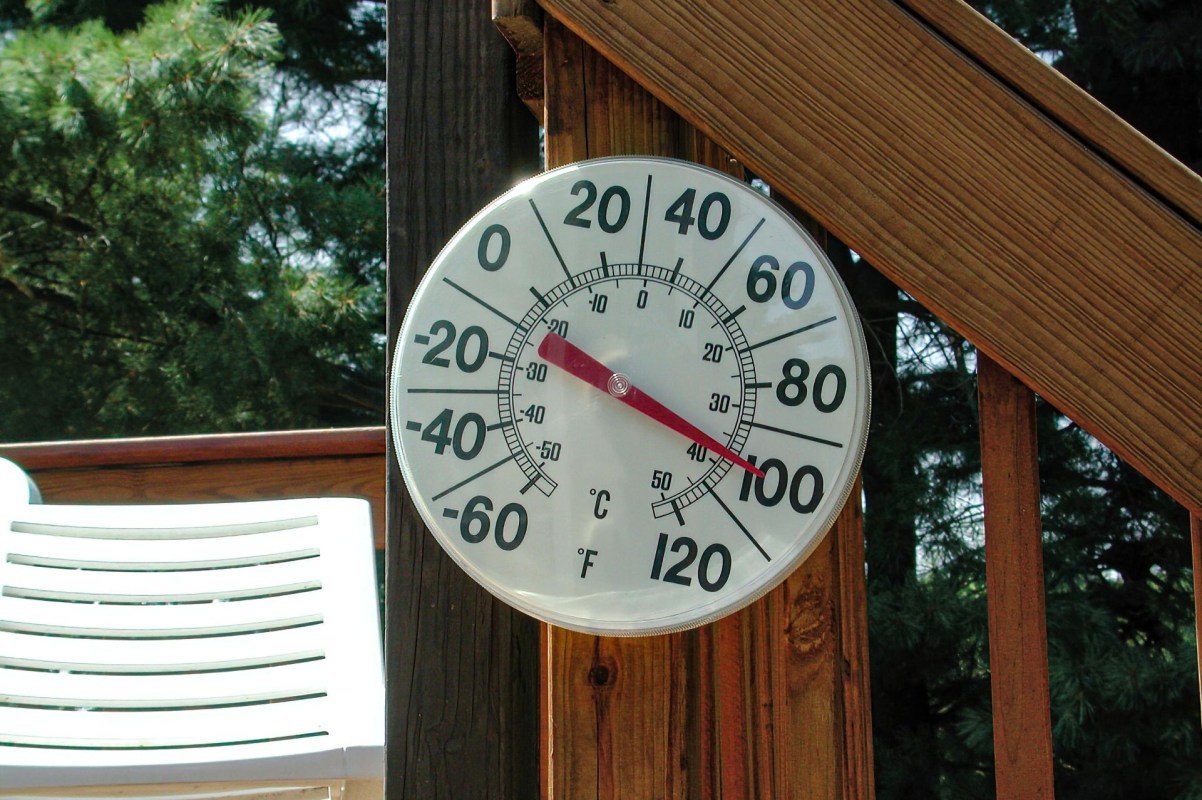
Another brutal heat wave is spreading across much of the United States, with parts of 20 states potentially reaching 100 degrees.
For millions of residents, the coming days may bring more than just summer discomfort. The dangerous conditions could make even ordinary daily routines increasingly risky.
What's happening?
Hot air is building beneath a large area of high pressure parked over the nation's midsection, sending temperatures up across parts of the West, the Plains, and the Midwest.
According to Fox Weather, forecasters expect that setup to grow stronger through the weekend and into early next week, even as over 87 million Americans were already under heat alerts through Tuesday.
Meanwhile, Phoenix could reach a whopping 115 degrees on Saturday, a mark that Fox Weather said would be the city's hottest temperature of the year so far, while parts of states from California to Illinois were also forecast to top 100 degrees.
Salt Lake City, Denver, Oklahoma City, and Omaha were among the cities that Fox Weather projected to see highs above 100 degrees. In Denver, Cheyenne, Wyoming, and Billings, Montana, the outlet said Saturday's heat could challenge daily records.
TCD Picks » Quince Spotlight
💡These best-sellers from Quince deliver affordable, sustainable luxury for all




Humidity is expected to add to the danger from the Southern Plains to Florida, where heat index readings may rise well above 100 degrees, making it harder for human bodies to cool themselves.
Why does it matter?
Extreme heat is one of the deadliest forms of weather because it can overwhelm the body quickly, especially for older adults, young children, outdoor workers, and people without reliable air conditioning.
When nights stay warm and humidity remains high, the danger grows even greater because people have little opportunity to recover.
This heat can disrupt work, and place additional strain on already strained infrastructure.
Extended periods of severe heat can also drive up electricity demand, raise cooling bills, threaten crops and livestock, and create dangerous working conditions for construction crews, delivery workers, and others who spend significant time outdoors.
Hospitals will see more heat-related emergencies, utilities can be stretched as air conditioners run constantly, and families without access to cooling centers may face especially serious health risks.
Thankfully, the heat dome over the country might ease somewhat around the end of the week, but it could then rebuild and shift back toward the Southwest by the first weekend of August, per Fox Weather.

Get TCD's free newsletters for easy tips, smart advice, and a chance to earn $5,000 toward home upgrades. To see more stories like this one, change your Google preferences here.







