


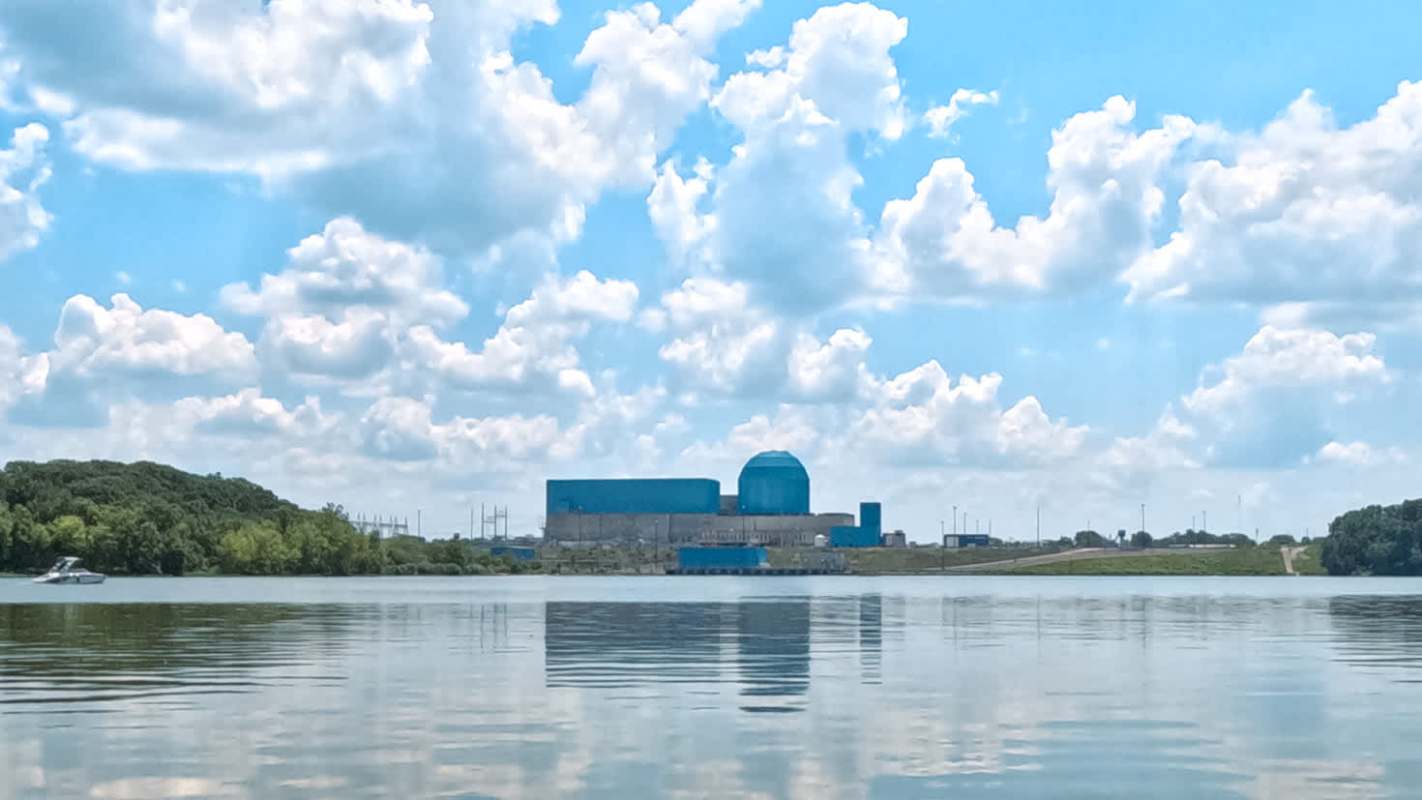
Nearly four decades after Illinois barred new large nuclear plants, the state is once again weighing that option — and some local officials want in.
What's happening?
To prepare for possible electricity shortages, Governor JB Pritzker told state agencies this spring to look for places that could accommodate new nuclear facilities, according to Capitol News Illinois.
That assignment followed his January approval of the Clean and Reliable Grid Affordability Act, which ended Illinois' long-standing ban on new large plants.
Illinois wants to add at least two gigawatts of generating capacity — enough for as many as 2 million homes or roughly 20 large data centers.
Six of the nine responses came from areas that already live alongside nuclear facilities.
Those were Marseilles plus DeWitt, Grundy, Ogle, Rock Island, and Will counties.
TCD Picks » Quince Spotlight
💡These best-sellers from Quince deliver affordable, sustainable luxury for all




Peoria County and Jasper County, both tied to coal plant sites, also expressed interest.
Meanwhile, the Illinois Nuclear Power Institute at the University of Illinois Urbana-Champaign is pursuing a much smaller microreactor for research and workforce training purposes.
Illinois already generates more than half of its electricity from nuclear energy.
As Senator Sue Rezin put it, "The conversation has shifted from whether we need nuclear to how we get the projects built."
Why does it matter?
Backers say new reactors could supply large amounts of relatively low-pollution electricity while helping maintain grid reliability as electrification, AI, and data centers push demand higher.
Communities that stepped forward also highlighted possible economic benefits, including high-paying jobs, a stronger local tax base, and access to existing transmission infrastructure.
Still, the state's original moratorium was put in place for a reason: The federal government has yet to establish a permanent solution for spent nuclear fuel.
In Illinois, that waste remains stored at plant sites in pools and dry casks, extending what was once meant to be a temporary arrangement.
There are also major questions about both cost and timing.
Jennifer Walling, CEO of the Illinois Environmental Council, estimated that a new large nuclear plant could take around 20 years to come online, while small modular reactors could still require 10 to 15 years.
State agencies have warned that power shortfalls could hit the northern part of the state as soon as 2029 and spread statewide by 2031 if policy changes are not made.
Skeptics also point to the most recent U.S. example of new nuclear construction: Georgia's Vogtle plant came online only after years of delays and billions in cost overruns, with ratepayers absorbing a large share of the expense.
What's being done?
State agencies are now reviewing letters from communities and developers and are required to issue recommendations in August.
That process will help determine whether Illinois moves forward by expanding existing nuclear sites, repurposing former coal sites, relying on new reactor technologies, or pursuing some combination of the three.
Constellation, which operates all six of Illinois' existing nuclear plants, said its current sites are the strongest candidates for expansion.
The company estimated that upgrades alone could add 500 megawatts, and it said at least six gigawatts of new power could eventually be developed at those locations.
DeWitt County's Clinton site has drawn particular attention because Constellation already owns the land and has an early federal site permit in place.
At the same time, developers are promoting small modular reactors, even though the technology is not yet operating commercially for power production in the U.S.
"As (SMRs) have yet to be deployed commercially in the U.S., considerable uncertainty exists about the construction cost, construction schedule, and operating costs of these new reactor technologies," Constellation wrote in its letter.
Jasper County Board Chairman Jason Warfel said, "We see this as an opportunity really to continue that legacy rather than losing our place in Illinois' energy future."
Walling, meanwhile, urged caution: "Any proposal to build new nuclear should really look deeply at how it's going to affect ratepayers. What is the real cost going to be?"

Get TCD's free newsletters for easy tips, smart advice, and a chance to earn $5,000 toward home upgrades. To see more stories like this one, change your Google preferences here.






