


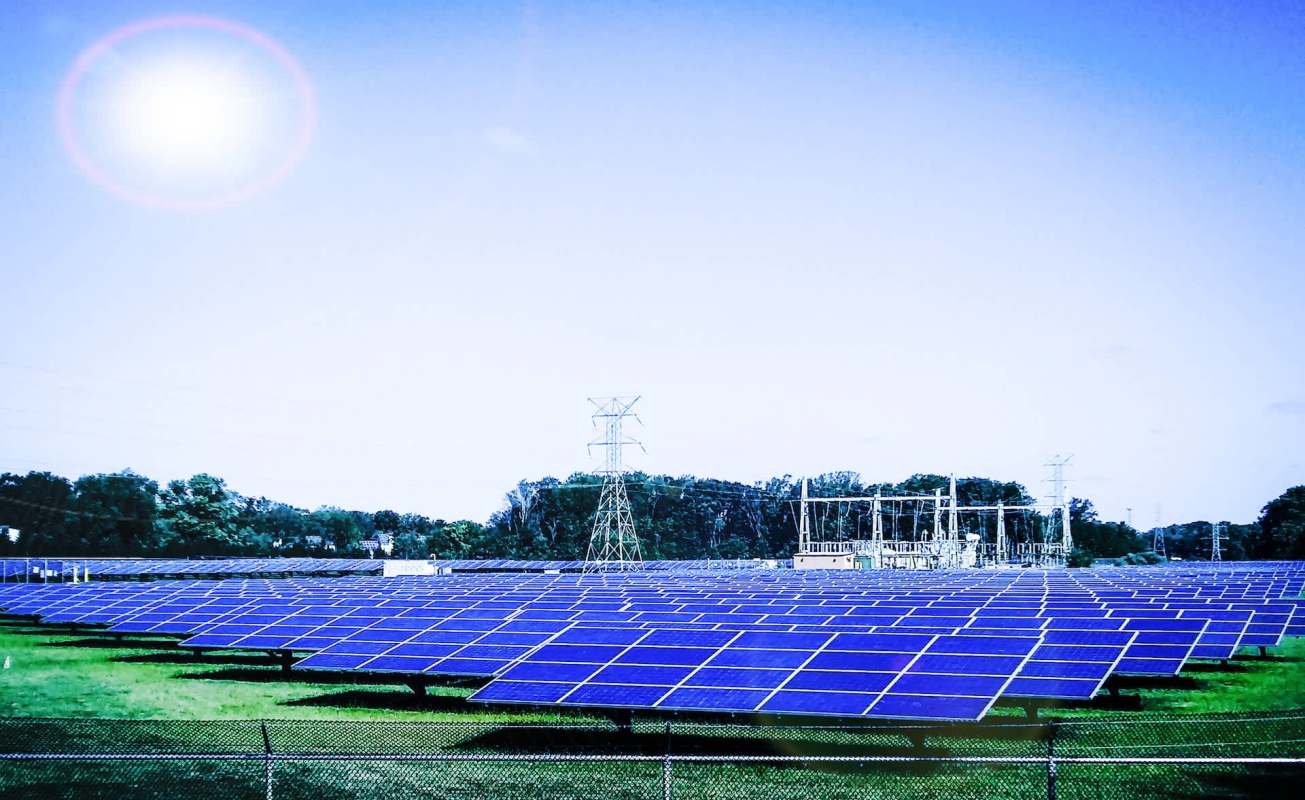
In May, solar electricity output in the U.S. topped generation from both coal and wind, marking another notable shift in the country's power mix.
The latest figures add to a broader 2026 trend that shows renewable energy continuing to gain ground even as fossil fuels lose momentum.
What's happening?
According to Electrek, data through May 31, 2026 in the U.S. Energy Information Administration's latest Electric Power Monthly report shows solar at 47,147 gigawatt-hours in May, compared with 45,119 GWh for coal and 41,157 GWh for wind.
Based on EIA figures and an analysis by the SUN DAY Campaign, renewables generated 10.1% more electricity in the first five months of 2026 than in the same period last year.
Much of that increase came from solar: utility-scale output rose 21.6% year over year, and small-scale solar climbed 12.8%. Hydropower also gained 10.8%, and wind increased 4.8%. Outside renewables, natural gas generation edged up 2.5%, nuclear rose 1.3%, and coal fell 10.9%.
Taken together, wind and solar — including small-scale solar — supplied more than 22.2% of U.S. electricity.
Why does it matter?
The sources that power the grid directly affect household costs and pollution levels. As lower-cost renewable electricity expands, it can help reduce reliance on fuels that are more vulnerable to price swings and that create more planet-warming pollution when burned.
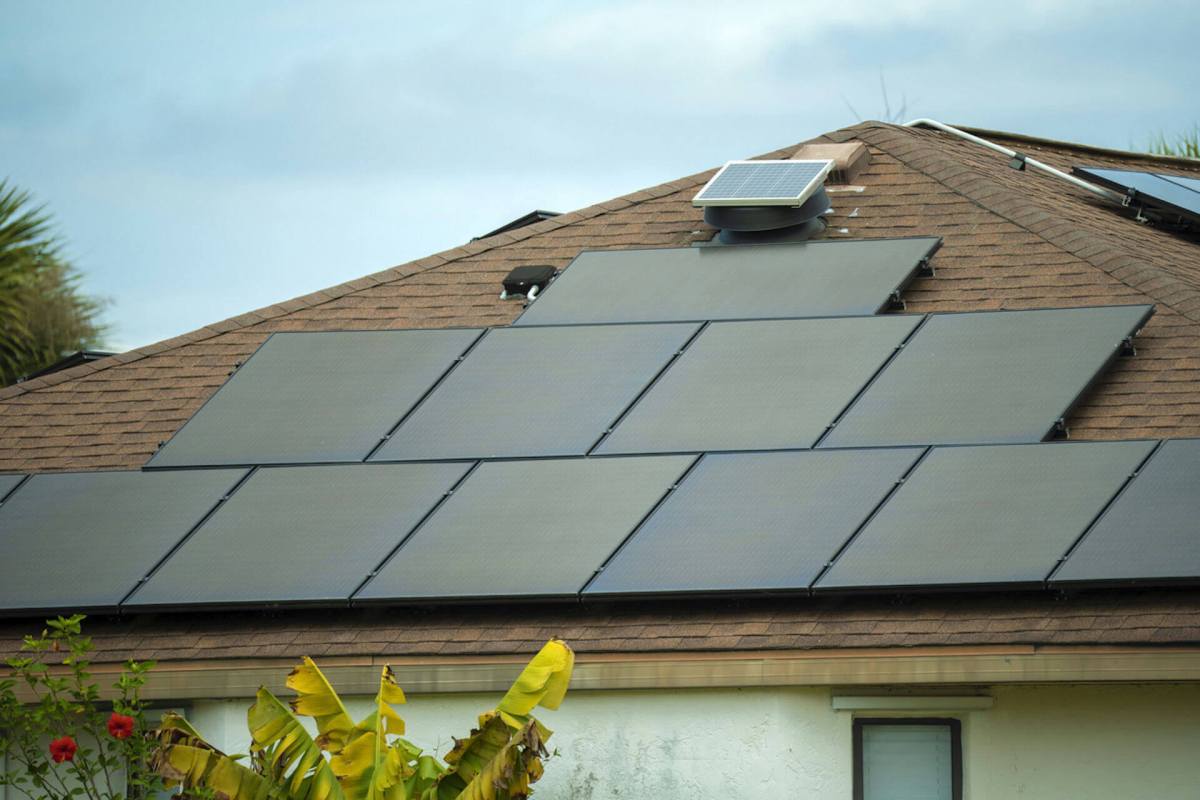
Coal's decline is especially striking. For decades, it served as a backbone of the U.S. grid, but it is losing ground while solar keeps adding capacity. Over the 12 months ending May 31, 2026, small-scale solar added 6,664.3 MW, while utility-scale solar capacity grew by 27,995.1 megawatts.
Save $10,000 on solar panels without even sharing your phone number Want to go solar but not sure who to trust? EnergySage has your back with free and transparent quotes from fully vetted providers that can help you save as much as $10k on installation. To get started, just answer a few questions about your home — no phone number required. Within a day or two, EnergySage will email you the best local options for your needs, and their expert advisers can help you compare quotes and pick a winner. |

A stronger solar sector can make the grid more resilient when paired with storage and distributed generation, particularly during periods of extreme heat and high electricity demand.
What can I do?
With EnergySage's help, the average person can save up to $10,000 on solar purchases and installations. Free comparison tools can also make it easier to understand pricing before committing to a project.
You can use EnergySage's solar map, which shows the average cost of a home solar panel system on a state-by-state level, along with details on solar panel incentives for each state. Together, these resources can help you get the best price for rooftop solar panels and access available incentives.
Adding battery storage to a solar setup is one of the best ways to protect your home during outages, save money on energy, and go off grid. EnergySage's free tools can provide information about home battery storage options, including competitive installation estimates.
More From EnergySage
💡Go deep on the latest news and trends shaping the residential solar landscape


For now, the federal data point to a power sector continuing to move in one direction.
As Ken Bossong, executive director of the SUN DAY Campaign, said, "Notwithstanding all the roadblocks erected by the Trump Administration, the growth of solar, wind, and battery storage is actually accelerating."

Get TCD's free newsletters for easy tips, smart advice, and a chance to earn $5,000 toward home upgrades. To see more stories like this one, change your Google preferences here.






