


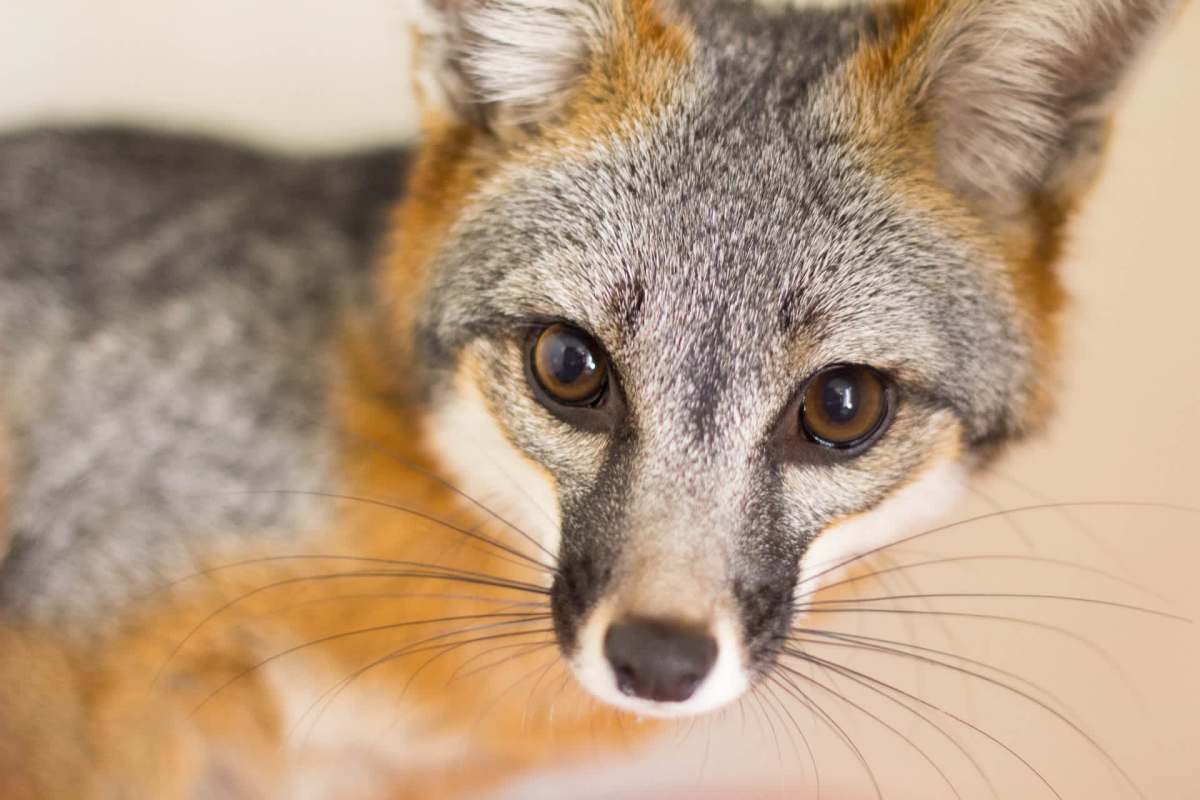
A Pittsburgh household got a surprise that sounded more like a cartoon setup than a routine animal-control call when a gray fox turned up in the bathtub.
The unusual encounter also serves as a reminder that when human homes overlap with wildlife habitat, something as ordinary as a pet door can become an invitation.
What happened?
Animal care and control officers were called to a Pittsburgh house after the people living there found a gray fox in the bathroom, according to the Pittsburgh Post-Gazette.
After evaluating the animal and finding that it appeared healthy, officers released it into the woods. The residents said the fox most likely got inside through a cat door, and officers kept it confined to the bathroom.
Pennsylvania has two fox species — red and gray. According to the Pennsylvania Game Commission, gray foxes are the only canids able to climb trees.
The fox was not injured, and the situation was resolved without harm to the animal.
TCD Picks » Quince Spotlight
💡These best-sellers from Quince deliver affordable, sustainable luxury for all




Why does it matter?
A fox in a bathtub may make for a memorable headline, but it also points to a larger pattern: Wildlife and people are increasingly sharing space in towns, suburbs, and cities.
The fox did not force its way into an untouched landscape; it appears to have entered through a feature designed for domestic life. Encounters between humans and wild animals become more likely when development, habitat disruption, and easy access to shelter or food draw wildlife closer to people.
Not every wildlife encounter stems from aggression. In many cases, animals are simply trying to navigate altered environments and wind up in places they were never meant to be.
What can I do?
Pet doors, open garages, unsecured crawl spaces, and easy food sources can all attract or admit wild animals. Bringing pet food indoors, securing trash, and checking entry points can reduce the chances of an unexpected visitor.
If a wild animal does get inside, you shouldn't try to trap or handle it yourself. Keep children and pets away, confine the animal to one room if possible, and contact local animal control or wildlife officials for help.
Urban and suburban wildlife is now part of daily life in many communities, so small changes — such as supervising pets outdoors and removing temptations around the house — can lower risks without harming animals.

Get TCD's free newsletters for easy tips, smart advice, and a chance to earn $5,000 toward home upgrades. To see more stories like this one, change your Google preferences here.







