


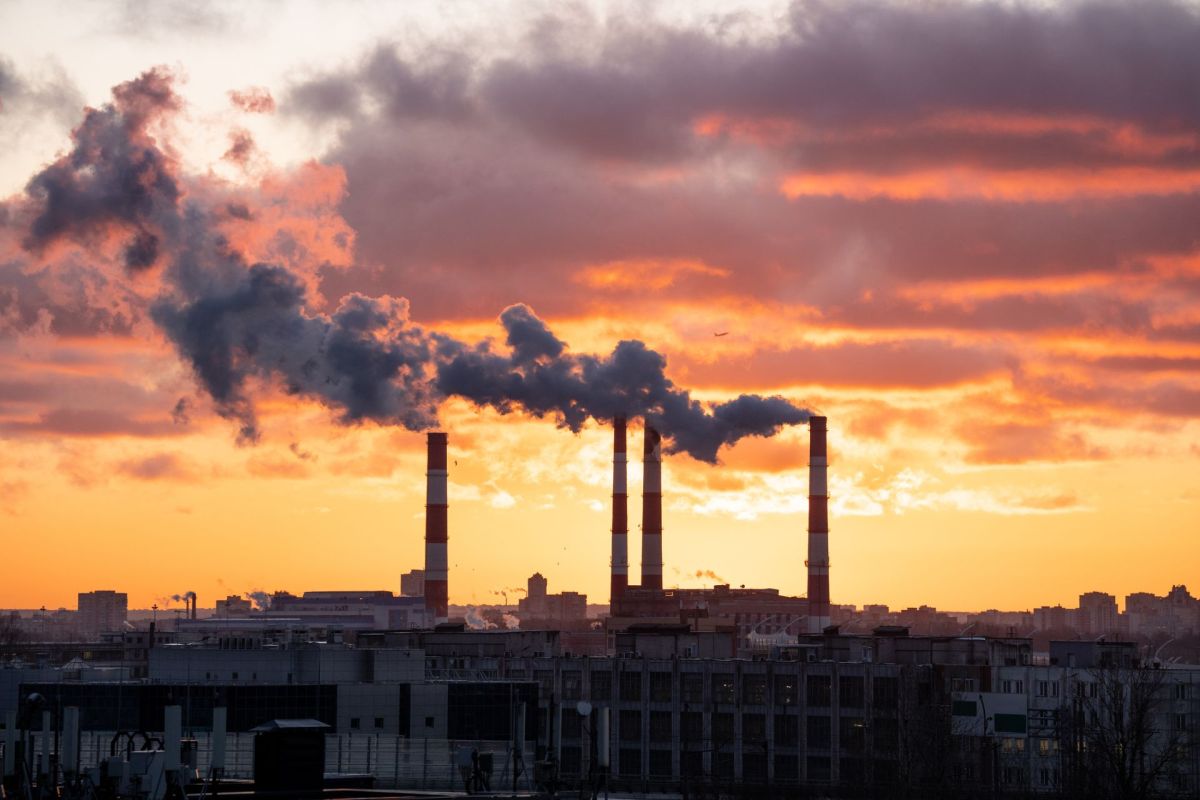
President Donald Trump exempted two Kentucky chemical facilities from Environmental Protection Agency air quality standards with a compliance deadline close at hand.
Residents near plants in Louisville and Calvert City will not see stronger federal safeguards aimed at tracking and cutting hazardous air pollution take effect as scheduled. Due to the pardon, those measures have been pushed back for at least two years.
What happened?
As WKMS reported, the exemptions arrived two days before the July 15 deadline, giving Westlake Vinyls Inc. and Zeon Chemicals LP extra time to satisfy tougher monitoring and emissions limits.
The change traces back to a 2024 Biden administration revision of federal hazardous-air-pollutant rules commonly called the HON rule.
For many chemical manufacturers, the rule pairs required cuts in ethylene oxide and chloroprene emissions with fenceline air monitoring for six toxic compounds that are known or likely to cause cancer in people.
That list includes benzene, 1,3-butadiene, ethylene dichloride, and vinyl chloride, chemicals that can create serious dangers for people nearby when they escape into the air.
TCD Picks » Quince Spotlight
💡These best-sellers from Quince deliver affordable, sustainable luxury for all




In a proclamation, Trump said the rule "imposes substantial burdens on chemical manufacturers already operating under stringent regulations" and argued that granting the exemptions would support a "robust domestic chemical industry."
Sarah Buckley, senior attorney on the Natural Resources Defense Council's litigation team, said the effect of the exemptions is clear: "The short story is: Exempted facilities are allowed to pollute more than non-exempted facilities. And what they are polluting — what they are emitting — is the most hazardous toxic air pollutants regulated under the Clean Air Act."
In addition to the health risks of toxic air, pardoning these non-compliant facilities ends up punishing those that took initiative to meet the standards.
Why does it matter?
Near the Calvert City Industrial Complex and Louisville's Rubbertown area, families now face a longer stretch with both possible exposure and less insight into what pollution may be moving past plant boundaries.
The purpose of fenceline monitoring is to measure contamination at a facility's edge, where neighboring residents and workers may feel the effects first.
According to Westlake's 2024 EPA reporting cited by WKMS, the company released 15,335.49 pounds of benzene, 4,541.77 pounds of 1,3-butadiene, 21,106.01 pounds of ethylene dichloride across air and water, and 6,564.75 pounds of vinyl chloride. In the same year, Zeon Chemicals reported 383.9 pounds of 1,3-butadiene released to the air.
WKMS reported that, during an EPA air study around the Calvert City Industrial Complex, Westlake Vinyls was linked to 96% of the ethylene dichloride measured there.
Zeon previously agreed to a $1.5 million settlement in a class-action lawsuit tied to emissions from its Rubbertown plant in Louisville.
What's being done?
Environmental advocates dispute the idea that the affected plants need more time because they cannot yet get the required technology.
In court challenges, the NRDC has said many plants already possess equipment that would allow compliance. It argued that some of the revised requirements emphasize better leak detection and stronger work practices more than brand-new technology.
Byron Gary, senior attorney with the Kentucky Resources Council, said the exemptions look even weaker because other Kentucky facilities subject to the rule still seem to be working toward compliance.
Gary also pointed out that oil refineries have operated under similar fenceline monitoring rules for nearly 10 years.
While University of Louisville researchers examine possible health effects associated with elevated pollution levels in Calvert City, advocates are still pushing to have the delayed safeguards put in place.
Buckley said compliance often "basically requires being a better steward of the facility and the equipment that you already have."
Gary added that other plants moving ahead "sort of belies the fact that that technology is in fact out there."

Get TCD's free newsletters for easy tips, smart advice, and a chance to earn $5,000 toward home upgrades. To see more stories like this one, change your Google preferences here.






