


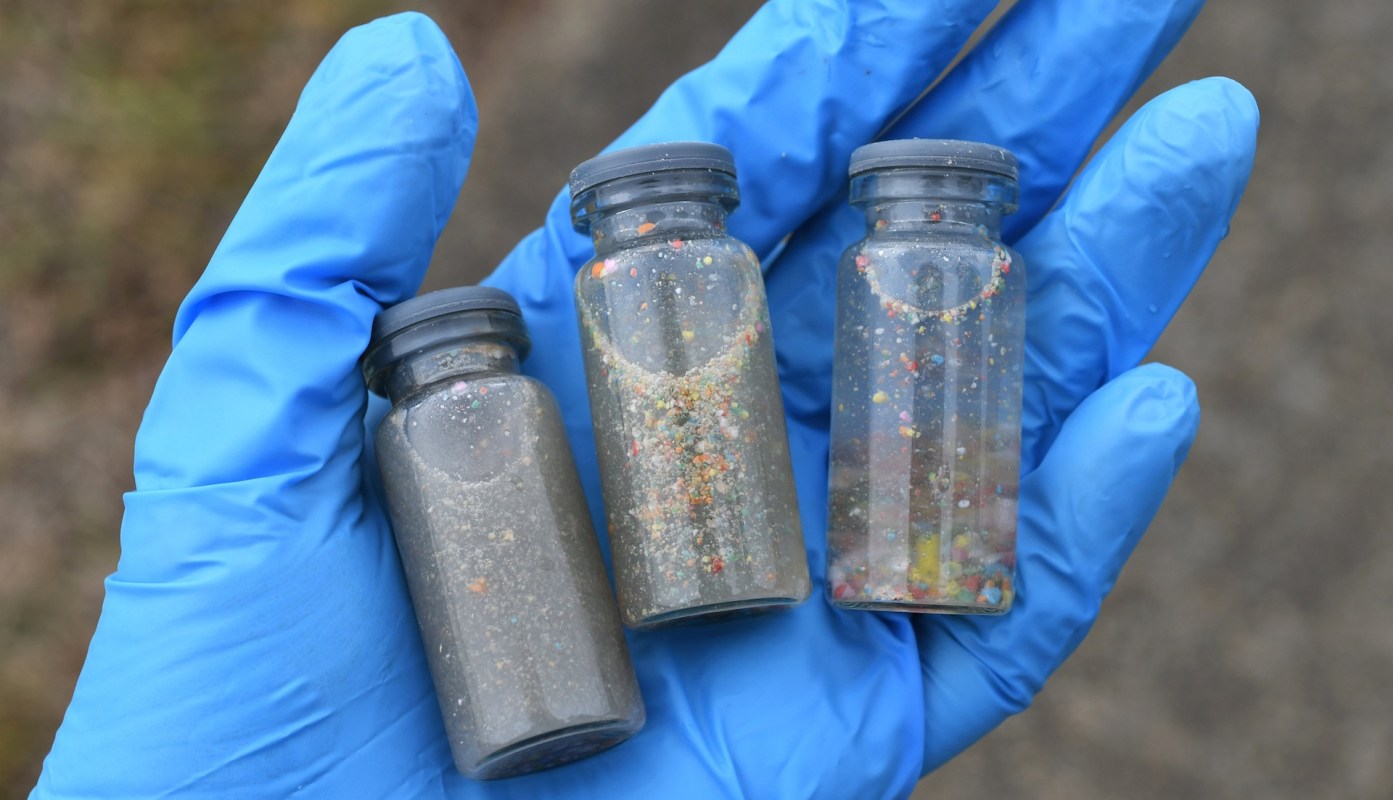
A new Texas study suggests microplastics are no longer a problem confined to distant oceans or abstract environmental debates.
Instead, researchers found plastic contamination in nearly every North Texas waterway they tested, raising fresh concerns about what is moving through places where people fish, paddle, and swim, KERA News reported.
What's happening?
The Dallas-based Environment Texas Research and Policy Center tested 77 waterways in North Texas and detected microplastics throughout the region.
Those sites included popular waterways and recreation areas such as the Trinity River, White Rock Lake, and Mountain Creek Lake.
Speaking at a news conference on July 23, Environment Texas city hall advocate Ian Seamans said the results indicate the contamination is pervasive.
"Our report today found that microplastics have become a nearly invisible constant in our Texas waterways," Seamans said.
TCD Picks » Quince Spotlight
💡These best-sellers from Quince deliver affordable, sustainable luxury for all




Microplastics are tiny plastic shards smaller than 5 millimeters. Most microplastics form when larger plastic items break down over time, but some come from products made with small plastic particles.
According to Seamans, the "overwhelming majority of sites contained plastic fibers," and plastic pellets — the raw material used to make many plastic products — were also found at multiple locations.
Why does it matter?
These Texas waterways support recreation, local ecosystems, and industries tied to fishing and tourism.
If microplastics are this widespread, exposure may be rife in places many residents see as normal, familiar, and safe.
The report warned that microplastics are a danger to both wildlife and humans, emphasizing the immediate risk to fish and waterfowl.
"This is a serious physical hazard," the report noted. "These plastics can cause suffocation and gut blockage, and animals that ingest too much plastic can starve."
The findings also raise concerns about the food chain and habitat, and add to growing worries about pollution in waterways used for recreation and relied on by wildlife.
Former North Texas state Rep. Jason Villalba said the economic consequences could be substantial.
"The fishing and tourist industry is dramatically impacted by these microplastics," he said, warning that the issue could become even harder on those sectors without state action.
What's being done?
The group wants Gov. Greg Abbott and state environmental officials to respond by tightening oversight of plastic waste, particularly plastic pellets.
Calling pellets "one of the most preventable sources of microplastic," Seamans said, "TCEQ should move now to require zero pellet discharge into Texas waterways."
Seamans said more than 100 doctors, fishers, anglers, and representatives from the Gulf Coast tourism industry have joined the push for action.
Villalba said legislation aimed at better regulating microplastics has already been introduced in recent legislative sessions, suggesting the issue could return with greater momentum.
The study suggests that the biggest improvements will likely depend on stronger industrial standards, better waste controls, and policy enforcement designed to stop plastic pollution before it enters waterways in the first place.
"What we're seeing is a real head of steam going into the 2027 legislative session," Villalba added.

Get TCD's free newsletters for easy tips, smart advice, and a chance to earn $5,000 toward home upgrades. To see more stories like this one, change your Google preferences here.






