


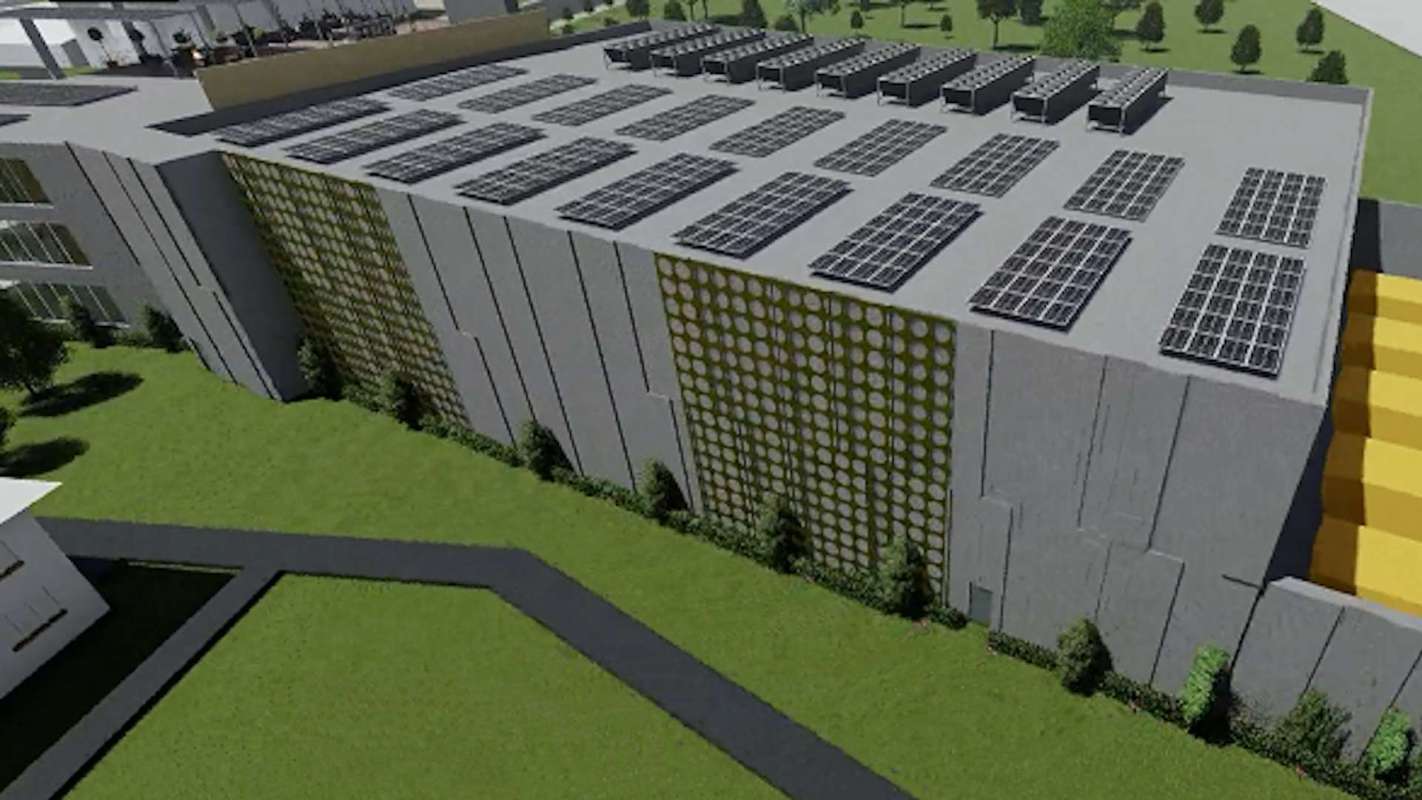
Greensboro leaders have rejected a pause on new AI data centers, keeping the door open to more projects even as council members seek more time to study their effects.
The 5-4 vote reflects a growing national tension: While AI may bring economic opportunity, the infrastructure that powers it can put serious strain on local resources.
What happened?
Council members took up the moratorium proposal at a July 21 meeting and defeated it on a 5-4 vote. The motion was introduced by District 1 Representative Crystal Black, and as YES! Weekly reported, District 2 Representative Cecile Crawford had previously suggested a six-month pause.
Their position has remained the same: Black and Crawford say the city should not move ahead with these facilities before studying how they could affect the community. On July 17, Crawford called a temporary halt "the most responsible path forward," in a Facebook post, while also saying the proposal "does not currently have enough support to pass."
Crawford has also focused on where any new construction might be concentrated. She said Districts 1, 2, and 5 "have historically carried a disproportionate share of industrial impacts," raising concerns that the burden of new data center development would again fall unevenly.
Public skepticism extends beyond Greensboro. YES! Weekly cites a June Heatmap News poll that found 70% of Americans opposed having data centers built near where they live.
TCD Picks » Quince Spotlight
💡These best-sellers from Quince deliver affordable, sustainable luxury for all




Why does it matter?
Critics argue that these facilities demand major resources while producing relatively limited employment. Large AI data centers can require vast amounts of electricity and water, which opponents say can worsen drought conditions, strain the power grid, drive up utility rates, and add noise and light pollution.
The Greensboro vote fits into a broader debate over whether communities are being asked to absorb the costs of AI's expansion without enough local input. Concerns about water use, energy demand, security risks, misuse, and unintended social consequences are becoming harder for local governments to ignore.
What's being done?
Greensboro will not impose a moratorium, but the narrow vote suggests the issue is far from settled.
Black and Crawford are still pressing for a slower approach so the council can better assess possible effects on neighborhoods and essential resources, according to YES! Weekly.
Even without a formal pause, local officials can still press for stricter siting reviews, water-use disclosures, noise limits, and stronger community-benefit agreements before projects move ahead.
The effects of data centers can show up in monthly utility bills, water availability, and quality-of-life concerns close to home.
Cities across the country are being forced to think through how to welcome innovation without locking residents into higher costs or heavier environmental strain.
Greensboro's close vote shows that many communities are still trying to find that balance.
"The lack of due diligence from the prior council is the reason why we have one already approved data center in District One, once again impacting the most vulnerable," Black commented on Crawford's July post, according to YES! Weekly.
"If the community pushed back, they may change their mind."

Get TCD's free newsletters for easy tips, smart advice, and a chance to earn $5,000 toward home upgrades. To see more stories like this one, change your Google preferences here.






