


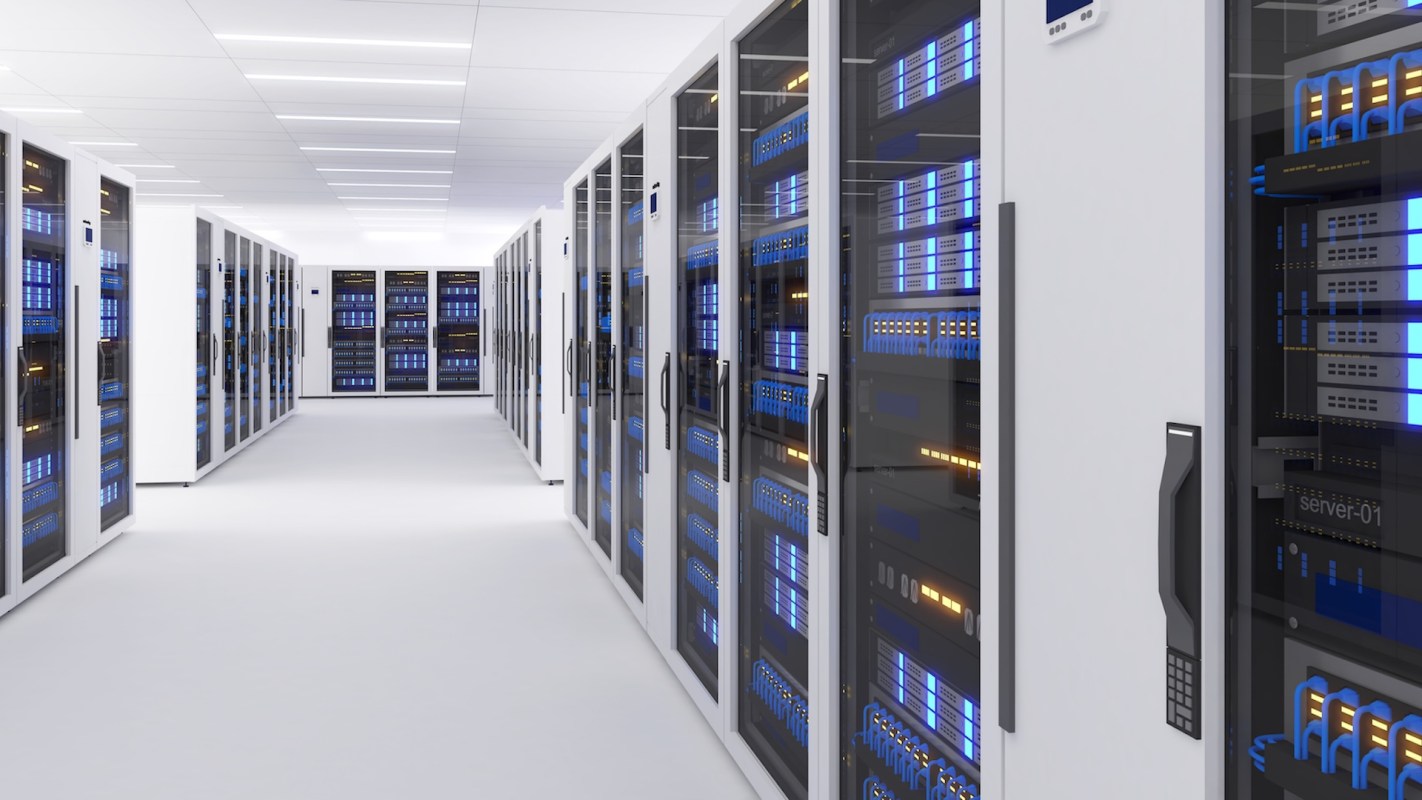
As artificial intelligence-related data center development accelerates in North Carolina, residents in communities across the state are pushing back against potential increases in noise and electricity use as well as pressure on local water systems.
What happened?
WRAL reported that more than two dozen North Carolina communities have adopted moratoriums or zoning restrictions on data centers as local officials and residents decide how much additional growth their infrastructure can handle.
A major focus is on hyperscale data centers built for AI, because densely packed graphics processing units produce more heat than traditional server farms.
Some data centers rely on outside air, some use refrigeration, and others use evaporative cooling, which removes heat through water evaporation.
Antone Jain, a water engineer who works with data centers nationwide, said the trade-offs are not simple. "Evaporative uses a lot more water, but it uses much less energy," he explained, according to WRAL. "Closed loop can use more energy but less water."
WRAL reported that the North Carolina House recently approved Senate Bill 730, which would largely ban evaporative cooling in hyperscale data centers and require large facilities to cover related infrastructure costs if the measure becomes law.
TCD Picks » Quince Spotlight
💡These best-sellers from Quince deliver affordable, sustainable luxury for all




Why does it matter?
Jain said worries about water are part of a larger challenge for utilities already under pressure from population growth, drought risk, and aging infrastructure. "No one knows how bad it's going to be, but it's going to be bad for sure," he said, WRAL reported.
The Guardian, early this month, reported that roughly two-thirds of planned data centers in the United States are slated for areas that experienced drought conditions during the past year.
The issue also extends to the energy grid. These facilities can support AI tools that help optimize cleaner energy systems, forecast electricity demand, and improve efficiency across industries. At the same time, rapid AI expansion can increase electricity and water use, put pressure on local grids, and raise concerns about higher costs being passed on to residents.
WRAL reported that residents have turned out in large numbers at public meetings from Apex to Edgecombe County. While industry groups argue that data centers bring jobs and tax revenue, critics point to problems in other states, including a campus in Georgia that reportedly used nearly 30 million gallons of water before the local utility fully tracked that use.
What are people saying?
Supporters of limits say communities need safeguards in place before construction begins. State Rep. Matthew Winslow, a Republican from Franklin County, said the proposal "bans wasteful evaporative cooling" and ensures "they don't shift to ratepayers," according to WRAL.
Industry leaders say the reality is more complicated. Shannon Kellogg, Amazon Web Services vice president of public policy for the Americas, said: "North Carolina has talent. North Carolina has land. North Carolina has energy."
Utility officials say the biggest challenge is the uncertainty. "It's a hard balance," Heather Summers, who leads the North Carolina Rural Water Association, told WRAL.

Get TCD's free newsletters for easy tips, smart advice, and a chance to earn $5,000 toward home upgrades. To see more stories like this one, change your Google preferences here.






