


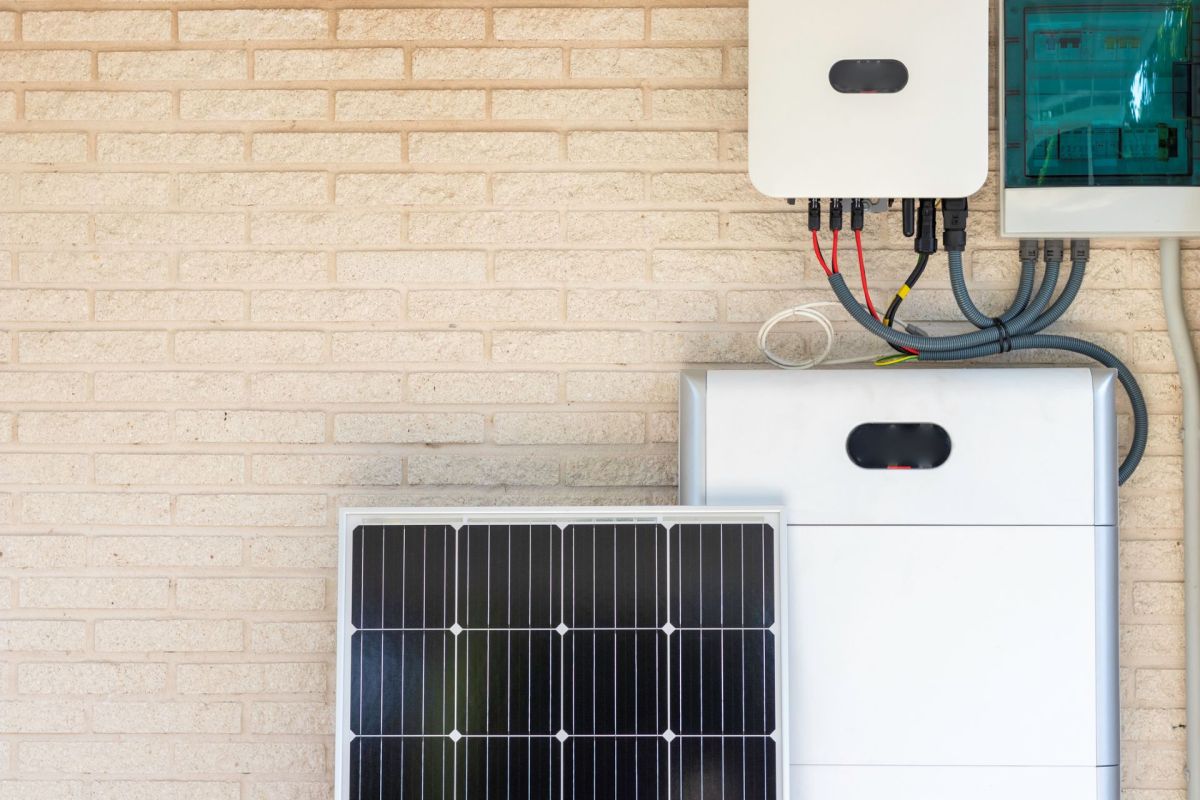
Even a brief loss of power can upend life at home. In one case, a homesteader said a fairly short blackout changed battery storage from something that seemed optional into something that felt essential.
What happened?
In a post on r/homestead on Reddit, the original poster asked: "Has anyone else had one outage that completely changed how you looked at battery storage?"
"Ours wasn't even that long," they continued, "but it was enough to remind me how many daily routines depend on electricity, from keeping food cold to running the well, keeping the freezer going, and staying connected."
One commenter described a four-hour outage as "borderline catastrophic" and added, "I thought about what it would be like if we had an outage that went 4 days instead of just 4 hours, and I was like 'nope, not happening.'"
For homeowners weighing those same questions, it may be worth exploring EnergySage's free tools to get information about home battery storage options, including competitive installation estimates. Pila is also worth looking into, as its plug-and-play batteries are priced at a fraction of what a whole-home backup system would cost.
Why does it matter?
For rural households, losing power can affect far more than lighting. It can shut down a well pump, put freezer-stored food at risk, cut off internet access, and disrupt the routines people rely on for work, school, and basic safety.
Adding battery storage is one of the best ways to protect your home during outages, save money on energy, and go off-grid. When paired with solar, a battery can help households use more of their own electricity after sunset or during expensive peak-rate hours, lowering utility bills while reducing reliance on fuel deliveries.
Generators remain a common backup option, as several commenters noted, but they come with tradeoffs, including fuel storage, maintenance, and noise. Batteries can provide quieter, lower-maintenance backup power, particularly for essentials such as refrigeration, communication, and water systems.
Save $10,000 on solar panels without even sharing your phone number Want to go solar but not sure who to trust? EnergySage has your back with free and transparent quotes from fully vetted providers in your area. To get started, just answer a few questions about your home — no phone number required. Within a day or two, EnergySage will email you the best options for your needs, and their expert advisers can help you compare quotes and pick a winner. Solar panels can save you more than $50k over their 25-year lifespan, and EnergySage can help you save as much as $10k on installation. Which begs the question — isn't that worth an email or two? |

What can I do?
What actually needs to stay on varies from one household to another. For some households, that may mean the refrigerator, router, a few lights, and charging devices. For others, especially on rural properties, it could also include a well pump, boiler, or outbuildings.
That difference can help determine whether a smaller battery setup makes sense or whether a whole-home system is worth the investment. If you already have solar, battery storage can make that system far more useful during outages. If you do not, batteries can still offer backup protection and utility bill savings, depending on how your electricity provider structures rates.
Others in the discussion favored having multiple layers of backup. One commenter explained, "We have a backup propane generator if the main solar system fails," and also described keeping separate systems for the well and other critical functions. That kind of planning will not prevent outages, but it can make them much less disruptive.
As the OP put it, "The numbers are easy to compare. It's the peace of mind and the little day to day things that don't show up on a spec sheet that seem to matter most."

Get TCD's free newsletters for easy tips, smart advice, and a chance to earn $5,000 toward home upgrades. To see more stories like this one, change your Google preferences here.






