


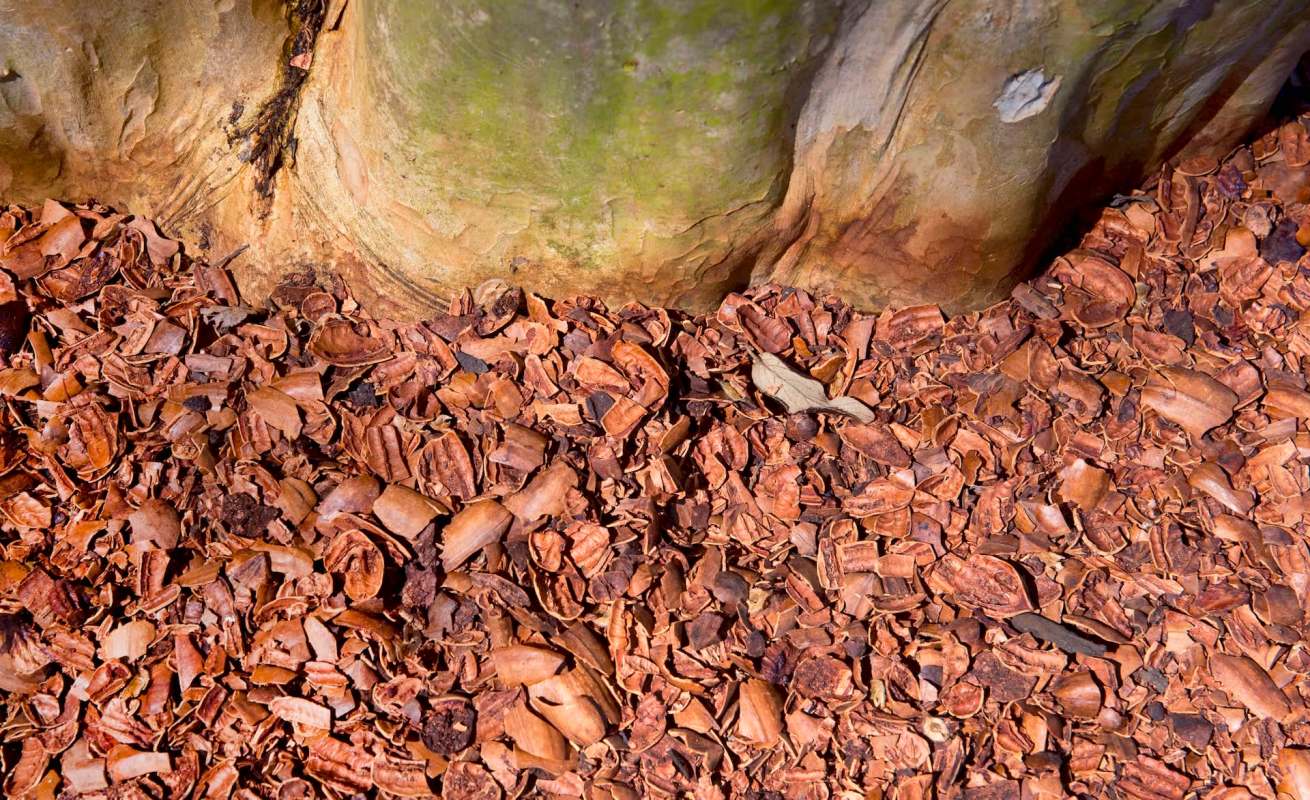
For low-maintenance yards in the southern United States, gravel, concrete and bark chips are not the only materials to consider. Gardeners in the region may also want to look at pecan shell mulch.
As a leftover product from nut processing, it can tidy up garden beds and walkways while gradually contributing to healthier soil.
What's happening?
A landscaping tip featured by AOL highlights pecan shell mulch as a greener substitute for gravel and pavers, especially in the South, where pecan production is widespread.
Once spread, they form a rich brown cover similar to conventional mulch.
AOL reported pecans are produced on a large scale in the United States, with Texas, Georgia, and New Mexico among the leading producers.
That regional supply can make pecan shells a practical natural material for ornamental beds, rings around trees, vegetable gardens, and pathways with a rustic look.
TCD Picks » Quince Spotlight
💡These best-sellers from Quince deliver affordable, sustainable luxury for all




Why does it matter?
Pecan shell mulch offers more than surface coverage. It can help control weeds, reduce moisture loss, and moderate soil temperature, which may cut down on maintenance and support healthier plants, AOL reported.
The shells also decompose over time and add nutrients back into the ground. That can be useful for home gardeners trying to improve their planting beds, since stronger soil can benefit flowers, shrubs, and food crops.
What can I do?
If you live in the South, try asking local landscape suppliers, garden centers, or bulk mulch sellers whether they carry pecan shell mulch. In other parts of the country, it may be less common in stores, but boxed pecan shells sold online for barbecue smoking can still be used in the garden, AOL noted.
They can be spread much like other hardwood mulches, including around trees, in ornamental beds, between rows in vegetable plots, or along informal paths. A moderate layer can help with weed suppression and moisture retention while giving the yard a warm, natural finish.
If you're using mulch to support a backyard food garden, it may pair especially well with efforts to grow your own food. Healthier soil and better moisture retention can make it easier to keep herbs, vegetables, and fruit-producing plants thriving.

Get TCD's free newsletters for easy tips, smart advice, and a chance to earn $5,000 toward home upgrades. To see more stories like this one, change your Google preferences here.






