As a punishing heat wave keeps more Connecticut residents inside, HVAC systems across the state are being pushed to their limits.
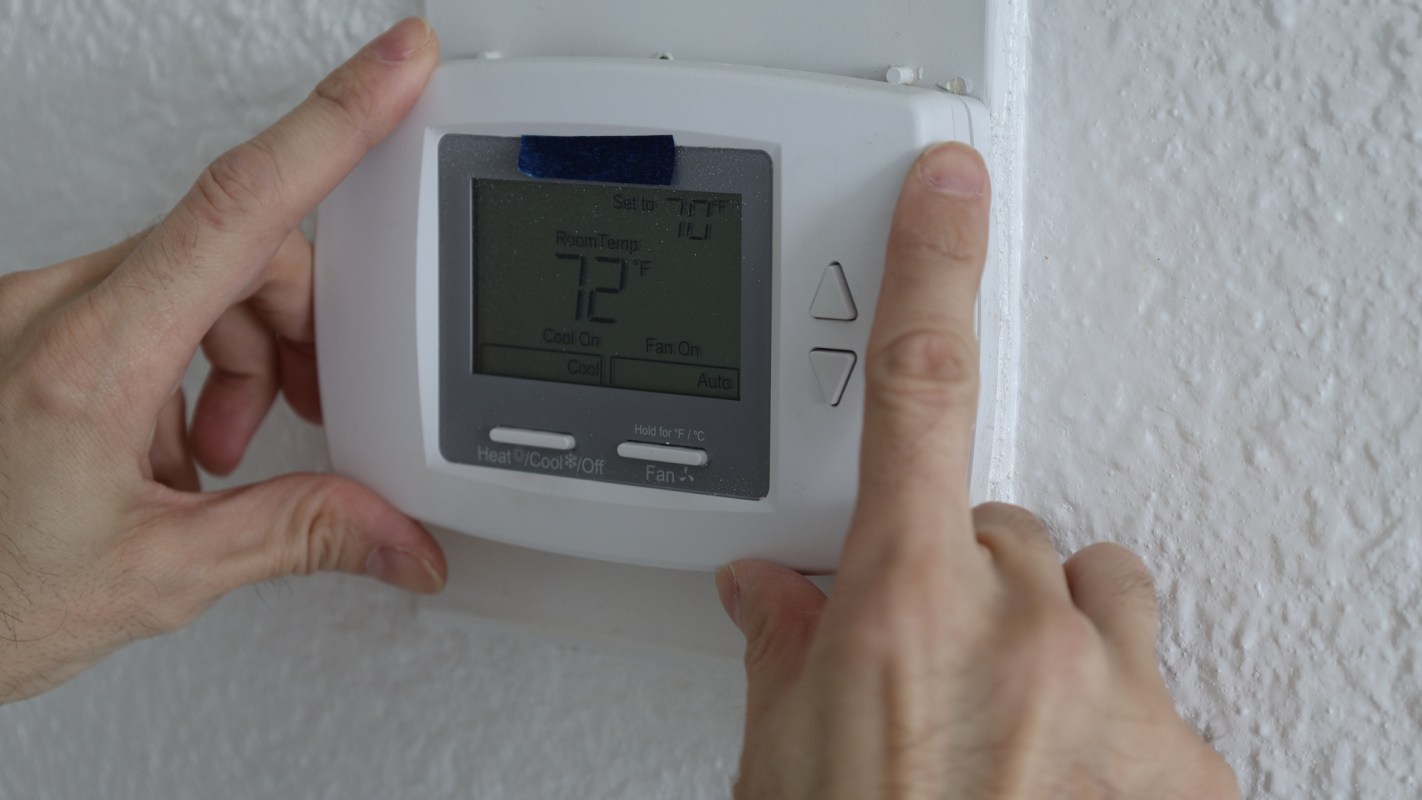
That strain is showing up in a spike in emergency service calls, and technicians have a simple warning for homeowners: Setting thermostats too low can overwork air conditioners during stretches of extreme heat.
What's happening?
Extreme heat and poor air quality are sending air-conditioning demand even higher, Fox61 reported.
Air conditioners pushed to unusually low thermostat targets during stretches of persistent heat can run nearly nonstop and still fail to hit the requested temperature, which helps explain why older or overworked systems begin breaking down as hot weather drags on.
For homeowners considering an upgrade, heat pumps are one option. They provide both heating and cooling and are significantly more energy-efficient than traditional HVAC systems, which can translate into lower monthly bills over time. They may also qualify for tax credits and rebates, making upgrades more affordable upfront, and EnergySage's Heat Pump Marketplace can help people compare options.
For a smaller-scale alternative, Merino offers single-room, ultra-efficient HVAC systems at a lower price point. The company's targeted heating and cooling setup can be installed in under an hour, which may appeal to people who need faster relief in one part of the home.
Why does it matter?
When cooling systems give out during a heat wave, the effects can go well beyond simple discomfort. Excessive indoor heat can pose serious health risks, particularly for older adults, young children, and people with medical conditions that make it harder to tolerate high temperatures.
Forcing an AC unit to work harder by setting the thermostat too low can drive up electricity bills while increasing wear and tear, raising the chances of a costly breakdown at the very moment repair crews are already overwhelmed.
Save $10,000 on solar panels without even sharing your phone number Want to go solar but not sure who to trust? EnergySage has your back with free and transparent quotes from fully vetted providers in your area. To get started, just answer a few questions about your home — no phone number required. Within a day or two, EnergySage will email you the best options for your needs, and their expert advisers can help you compare quotes and pick a winner. Solar panels can save you more than $50k over their 25-year lifespan, and EnergySage can help you save as much as $10k on installation. Which begs the question — isn't that worth an email or two? |

On smoky or polluted days, many people keep their windows closed and depend even more heavily on indoor cooling, meaning a broken or inefficient system can leave households with fewer safe ways to stay comfortable.
What can I do?
For immediate relief, experts often suggest starting with a few simple steps: keep blinds closed during the strongest sun, use fans to move air around, seal leaks that let cooled air escape, and avoid setting the thermostat to an unnecessarily low temperature.
Longer term, homeowners who want to slash their energy bills with solar can also use EnergySage, which offers a free solar quotes comparison tool. With EnergySage's help, the average person can get nearly $10,000 in incentives for solar purchases and installations.
And for households considering a more efficient way to heat and cool their homes year-round, it may help to revisit EnergySage's Heat Pump Marketplace to compare systems, pricing, and potential savings.
Extreme weather can leave already strained cooling systems with little room for error, especially when repair crews are trying to keep up with a surge in calls.

Get TCD's free newsletters for easy tips, smart advice, and a chance to earn $5,000 toward home upgrades. To see more stories like this one, change your Google preferences here.