


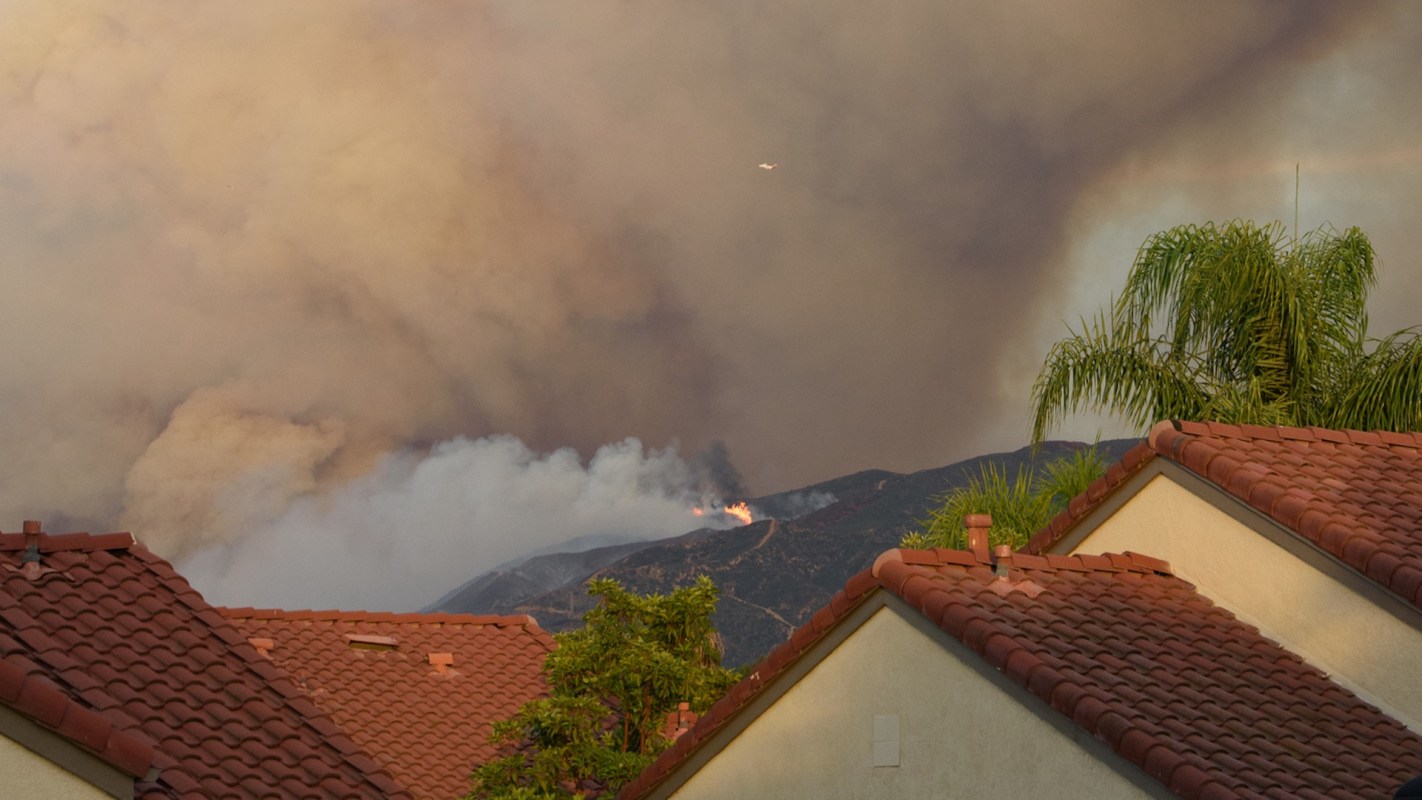
A Minnesota homeowner bracing for heavy wildfire smoke to cripple their rooftop solar system got a surprise instead: Even under hazy skies that cut visibility to about 1.5 miles, the panels kept producing a meaningful amount of power.
Despite smoke from fires in the Boundary Waters and Canada cutting visibility dramatically, the homeowner reported in a recent post on Reddit that their system was still producing 1,075 watts — much better than the few hundred watts they had expected.
What happened?
The original poster compared the smoky-day performance with that of a normal sunny afternoon.
"At this same time of day on a sunny day my solar array should be producing about 2550 watts," they wrote. "Right now it is producing 1075 watts."
With clear-sky production for that hour usually around 2,550 watts, the array was still operating at about 42% of its usual sunny day output even as intense smoke sharply reduced visibility.
Before checking, they had figured output might land closer to only around 300 to 400 watts — so this sheer increase they recorded was a pleasant surprise.
TCD Picks » Quince Spotlight
💡These best-sellers from Quince deliver affordable, sustainable luxury for all




Performance may drop substantially, but it does not necessarily fall anywhere close to zero.
Why does it matter?
Wildfire smoke is becoming an increasingly familiar part of summer in many parts of North America, and it affects more than air quality. It can also influence how much electricity a home solar system produces during peak daylight hours.
Current smoke from the ongoing wildfires in Canada has affected other areas such as Chicago, with the air quality level of 753 being determined as "extremely hazardous." These fires pose an extreme danger to people, as captured by one video of a freight train in Armstrong, Ontario that had to go through intense parts of the fire.
A system that still produces 1,075 watts in thick smoke can continue offsetting some household electricity use, especially for essentials such as refrigeration, fans, electronics, or charging devices. This may translate into significant savings on your electricity bill.
Solar output does not always fall as far as people expect when conditions look terrible outside. Partial generation during poor weather or smoke can still make a noticeable difference on utility bills.
What can I do?
If you already have solar, monitor your system's production closely so you can understand how your setup performs under different conditions.
If ash buildup becomes an issue, wait until conditions are safe and follow manufacturer guidance before cleaning the panels.
Tools from EnergySage can also make that process easier. The service offers free tools that let you curate competitive bids from local installers without them obtaining any of your contact information unless you choose to work with one further — putting your privacy first and making it an easier process to transition to a solar system.
Even when smoke, clouds, or heat reduce performance, systems may continue generating enough power to soften the blow of higher grid demand and rising electricity costs.
"Visibility is about 1.5 miles right now," the original poster wrote. Even so, they explain that their panels "producing 1075 watts" may not be the best results, but aren't "really terrible either."

Get TCD's free newsletters for easy tips, smart advice, and a chance to earn $5,000 toward home upgrades. To see more stories like this one, change your Google preferences here.






