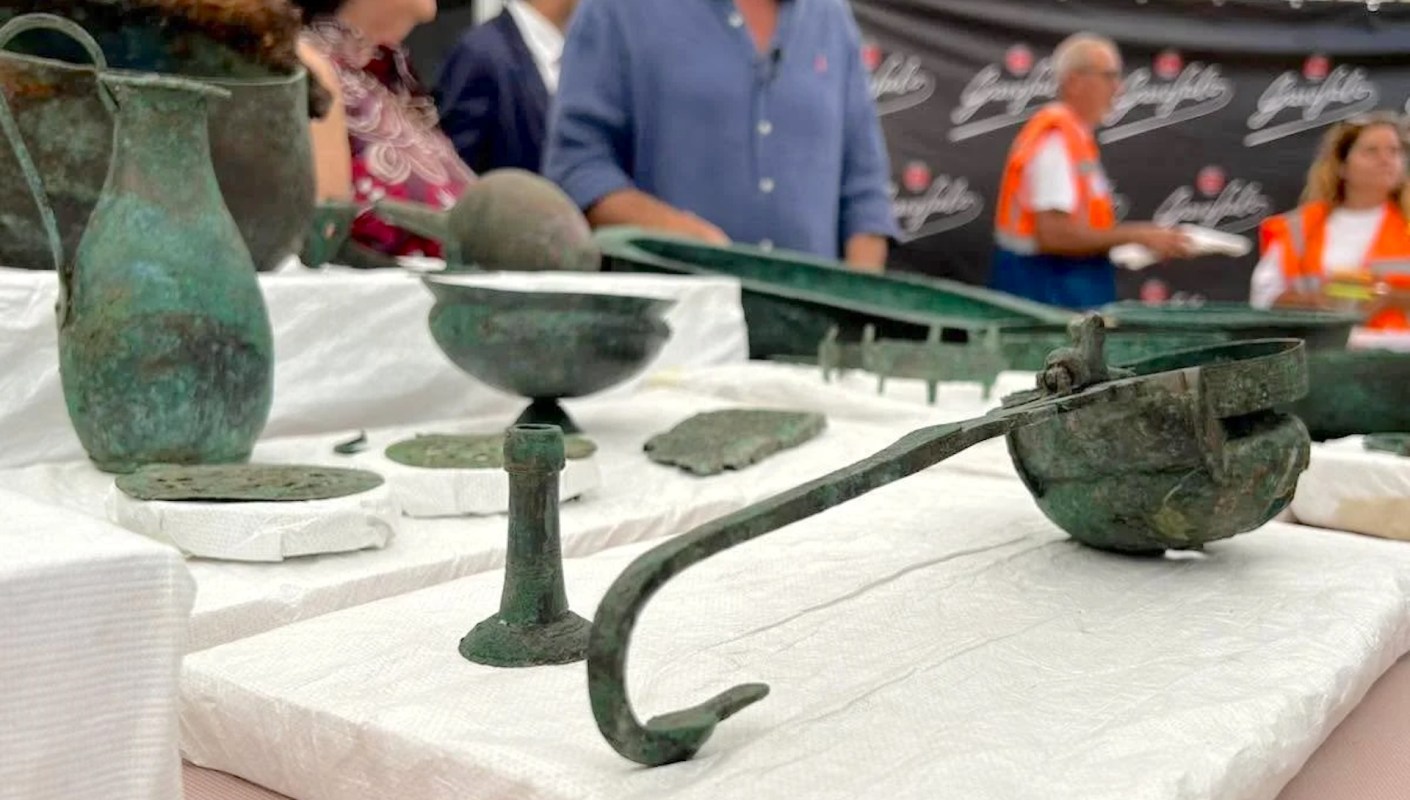
A routine investigation beneath a former pasta factory in southern Italy has uncovered a rare cemetery dating to the 6th century BC.
Archaeologists say the burials and grave goods suggest the people buried there were members of the social elite.
What happened?
The old pasta factory stands over a place with a far older past, and the discovery came from beneath that industrial-era site.
According to HeritageDaily, archaeologists identified a necropolis, or cemetery, where the graves and burial goods suggest high-status individuals.
The tombs date to a period shaped by a mix of cultures and expanding trade networks.
Finds from that era can help researchers better understand how wealth, power, and outside influence shaped daily life in ancient communities.
TCD Picks » Good Store Spotlight
Get 10% off your next purchase with code TCD10




Unearthing an elite cemetery beneath an industrial-era landmark shows how many modern places sit directly atop much older histories, often hidden until construction, restoration, or redevelopment brings them to light.
Why does it matter?
A cemetery offers more than a collection of isolated objects. It can reveal how people honored the dead, which materials they valued, how connected they were to surrounding regions, and how social rank was expressed in burial customs.
That kind of evidence can reshape what historians understand about the site and the broader history of the region.
Even when artifacts are impressive on their own, their greatest value comes from context — where they were found, how they were arranged, and what that reveals about the society that placed them there.
Discoveries like this can support local museums, education, preservation jobs, and cultural tourism while reinforcing the need for careful study before redevelopment moves forward.
What's being done?
The most important step now is documentation.
Archaeologists typically map each burial, record the position of every object, and closely study the materials before anything is moved or conserved. That process preserves the site's value long after the initial discovery.
Conservation will also be critical.
Ancient metal, ceramics, bones, and other burial materials can deteriorate quickly once exposed, so specialists often stabilize and restore them in controlled settings. If the site yields exceptional artifacts, some could eventually go on public display, giving residents and visitors a chance to connect with the region's past firsthand.

Get TCD's free newsletters for easy tips, smart advice, and a chance to earn $5,000 toward home upgrades. To see more stories like this one, change your Google preferences here.