


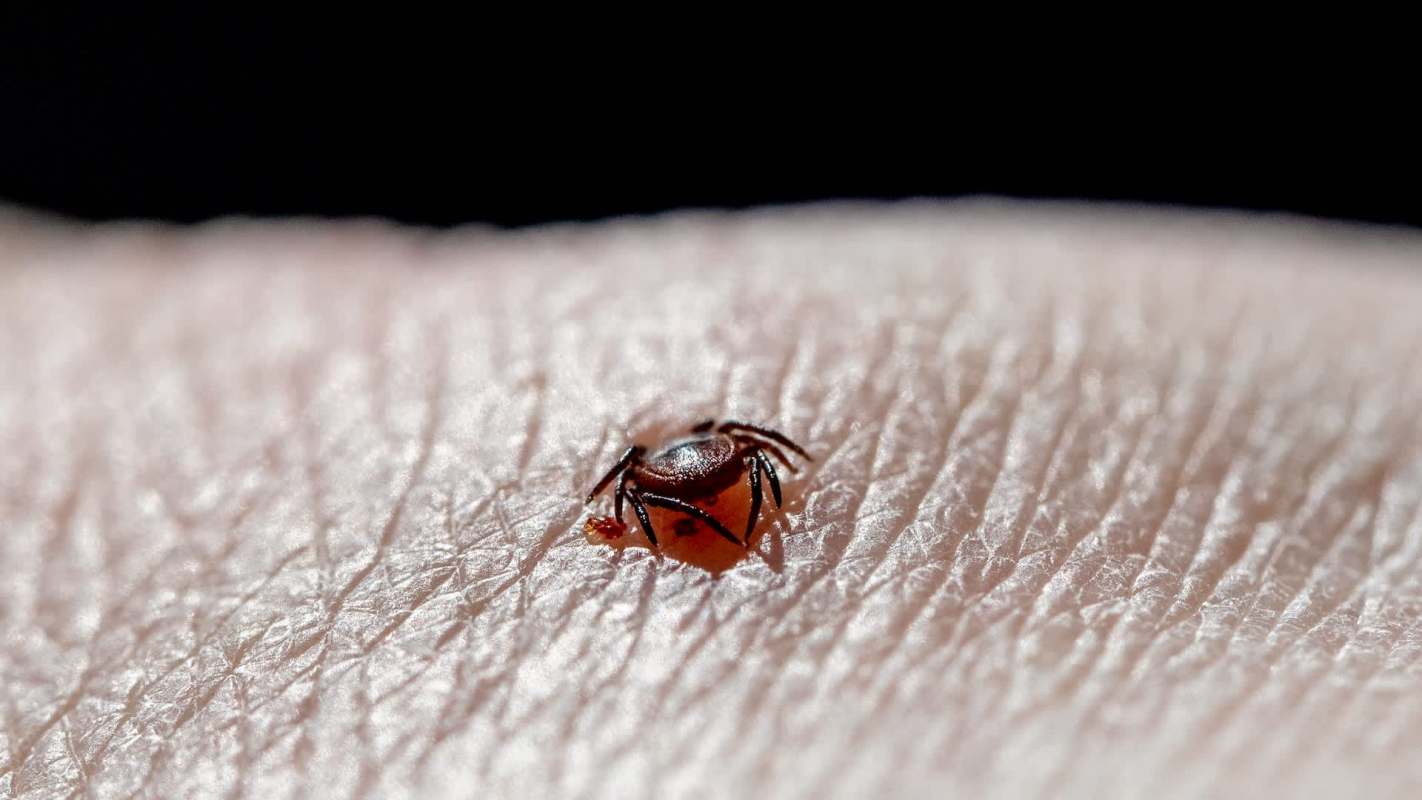
Ticks are spreading across more of Canada, and health officials are seeing the consequences as cases of Lyme disease rise alongside the lesser-known anaplasmosis illness, as MuskokaRegion.com reported.
A warmer, longer tick season can change what people might bring home after a walk in the woods or even time spent in the yard.
What's happening?
Ontario's growing population of blacklegged ticks, also known as deer ticks, is bringing more than Lyme disease with it. Dr. Isaac Bogoch of Toronto General Hospital, an infectious disease specialist, said anaplasmosis is being found in more patients.
"It's here, and there's an increasing number of cases," Bogoch told MuskokaRegion.com. "Prevention is the best approach."
As of July 12, Public Health Ontario had recorded 89 cases of anaplasmosis, 651 cases of Lyme disease, and one case of Powassan virus disease this year.
More than 100 blacklegged ticks were logged on etick.ca in the first half of the month. People have reported additional sightings on iNaturalist in places like Caledon and Parry Sound.
TCD Picks » Quince Spotlight
💡These best-sellers from Quince deliver affordable, sustainable luxury for all




Bogoch said milder winter conditions are part of what is driving the pattern.
"We're definitely seeing an increase in tick populations, and an expanding geographic range of ticks," he observed, per MuskokaRegion.com.
Why does it matter?
Because infected blacklegged ticks can spread both Lyme disease and anaplasmosis, the illnesses can look similar.
Anaplasmosis symptoms can include fever and muscle aches. While testing may be needed to tell the difference, treatment is generally straightforward with antibiotics.
While tick bites don't always lead to illness, it's still important to take them seriously. Ticks acquire bacteria from infected animals that they can pass on to humans.
Ontario now treats these illnesses as reportable infections, helping public health officials track where cases are increasing and how the risk is changing.
The geographic footprint of ticks is changing, too. MuskokaRegion.com cited the National Collaborating Centre for Environmental Health, which said some tick species in Canada are moving northward by an estimated 22 to 34 miles per year. This happens because of things like habitat loss and changing animal migration patterns.
The risk outdoors is becoming less confined to traditional hot spots, especially as winters are "not as cold or as long as they once were," as Bogoch put it to the outlet.
What can I do?
Experts are not telling people to avoid the outdoors. Prevention and quick action can easily make being outside safer.
"No. 1, insect repellent is pretty helpful," Bogoch told MuskokaRegion.com and recommended products with DEET, picaridin, or oil of lemon eucalyptus.
Long sleeves and long pants create a barrier, though Bogoch acknowledged that might be a stretch on the hottest days. Checking for ticks after coming indoors is also helpful.
If a tick is attached, proper removal is important. A pharmacy or health care provider may be able to help.

Get TCD's free newsletters for easy tips, smart advice, and a chance to earn $5,000 toward home upgrades. To see more stories like this one, change your Google preferences here.






