


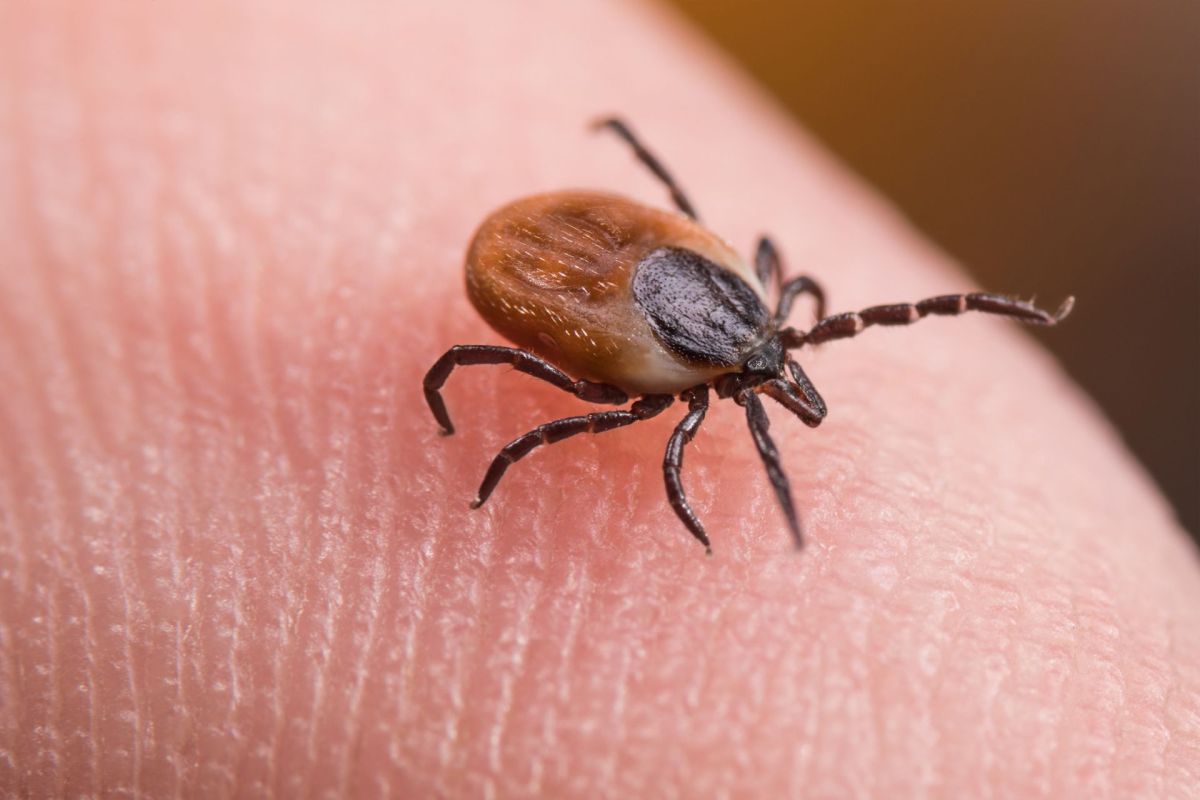
The bugs people once brushed aside are becoming much harder to ignore.
Across the United States, ticks are helping drive a rise in dangerous illnesses, while some mosquito species are steadily moving into places that once seemed beyond their reach.
The trend is showing up in emergency room visits, lab data, and the maps scientists use to track where disease-carrying pests can survive.
What's happening?
Blacklegged ticks have spread widely in the U.S., becoming established in about twice as many counties in 2015 as they were in 1996, according to CNN.
Those ticks can transmit Lyme disease, babesiosis, and anaplasmosis, and CDC data show that reported U.S. vector-borne disease cases were about twice as high in 2019 as in 2005.
Disease ecologist Dr. Richard Ostfeld of the Cary Institute of Ecosystem Studies said the problem is accelerating quickly.
TCD Picks » Quince Spotlight
💡These best-sellers from Quince deliver affordable, sustainable luxury for all




"Lyme, babesiosis, and anaplasmosis are all dramatically on the rise, with no sign of slowing down."
A CDC estimate puts the number of people in the U.S. diagnosed with and treated for Lyme each year at up to 476,000.
Research says Aedes aegypti — which can spread dengue, Zika, chikungunya, and yellow fever — is moving northward in the U.S. by roughly 150 miles a year.
Separately, CDC data show that this season's emergency department visits for tick bites are at their highest for this point in the year in seven years.
Why does it matter?
This can affect everyday routines, from gardening and hiking to letting kids play outside or dealing with standing water after storms. More bugs in more places mean more opportunities for bites and more chances that those bites carry something serious.
Some of these illnesses can be severe or long-lasting. Lyme can lead to arthritis, severe headaches, and an irregular heartbeat if it is not caught early. Anaplasmosis can cause organ failure and death in serious cases, while Powassan virus, though rare, can trigger brain inflammation.
Experts do not view this as just a climate story. Weather plays a role, but so do suburban development, growing deer populations, changing landscapes, and even acorn-heavy years that increase mouse numbers and help ticks thrive.
What's being done?
Researchers and public health agencies are tracking these shifts more closely, and scientists are working on new tools to respond.
Pfizer says it is seeking approval for a Lyme disease vaccine that would be the first available in two decades if the Food and Drug Administration clears it.
Public health guidance still emphasizes basic protection. The CDC recommends EPA-registered insect repellent, and treating clothing and shoes with permethrin can add another layer of defense against ticks and mosquitoes.
Yards can also be made less inviting to these pests. Getting rid of standing water helps reduce mosquito breeding, while moving leaf litter, woodpiles, trash, and debris away from high-traffic areas can make the space less appealing to ticks and even scorpions. Those steps can reduce the chances of a bite close to home.
"Not that I'm trying to cause unnecessary concerns, but I see this as a tip of the iceberg," said Dr. Goudarz Molaei of the Connecticut Agricultural Experiment Station's Tick Testing Laboratory. "The most important thing that people can do is personal protection. Nothing can match this one."

Get TCD's free newsletters for easy tips, smart advice, and a chance to earn $5,000 toward home upgrades. To see more stories like this one, change your Google preferences here.






