


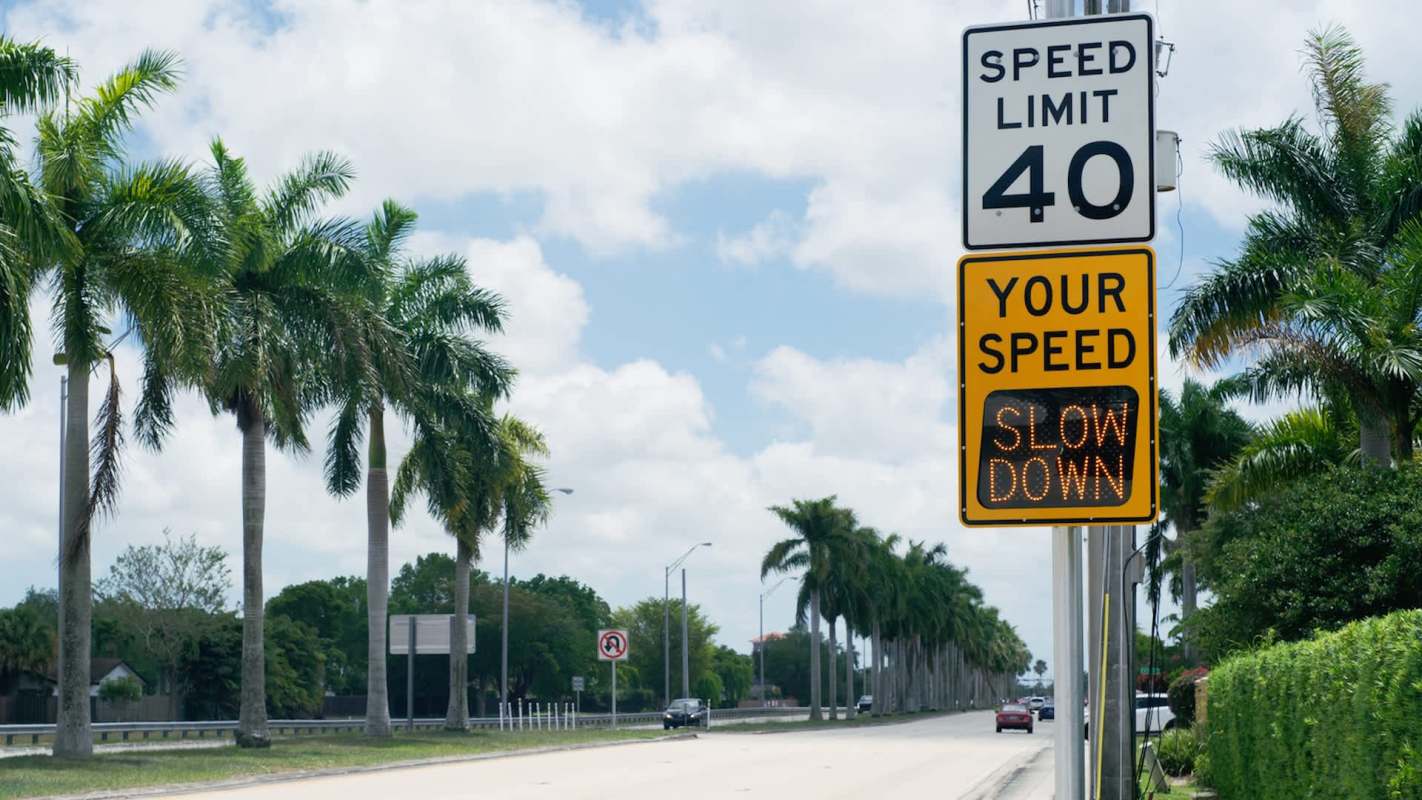
Saving a minute or two by driving faster may feel harmless, but new research suggests the habit comes with a high collective cost.
What's happening?
A study out of the University of Minnesota Twin Cities found that if drivers across the United States simply followed posted speed limits, the country could save around 2.4 billion gallons of fuel each year.
To measure the broader effects of speeding, the researchers examined its role in fuel consumption, pollution, and costs, as Earth.com detailed.
Their analysis used real driving data rather than lab-based projections and looked at more than 120 million trips from four different days in 2021, one in each season.
For each trip, the researchers compared recorded driving behavior with a scenario where vehicles never exceeded posted limits. They built that comparison by linking routes to information on road type, speed limits, and elevation from the United States Geological Survey.
Across just one day, staying within speed limits translated to major reductions, Earth.com noted, including 6.7 million gallons of fuel, around 62,800 U.S. tons (57,000 metric tons) of carbon dioxide, and nearly $22 million.
TCD Picks » Quince Spotlight
💡These best-sellers from Quince deliver affordable, sustainable luxury for all




Bharat Jayaprakash, lead author of the paper, said measuring the effects at a national level was important.
"We already understand the physics of how speed affects fuel consumption, but quantifying the exact magnitude of those savings at a national scale gives us a clearer picture of the actual impact," Jayaprakash said in a press release.
Why does it matter?
At higher speeds, fuel economy drops because faster-moving vehicles face much more air resistance. In practice, Earth.com noted that means small jumps above the limit can burn significantly more fuel than drivers may assume.
For an individual car, even a relatively small amount of speeding matters, the researchers found. Driving 10 miles per hour above the limit can increase fuel consumption and carbon pollution by as much as 21%.
Scaled over a full year, the fuel preserved by sticking to speed limits would match the annual gasoline use of roughly 5.5 million vehicles.
The time tradeoff was minimal, with the researchers estimating that a full day of driving would take only about 54 seconds longer, or roughly 6.3 minutes across a week.
The issue is not just economic or environmental. Earth.com said speeding was associated with 11,775 deaths on U.S. roads in 2023, demonstrating how much is at stake.
What can I do?
Easing off the accelerator is one of the few ways to cut fuel use immediately without buying a new car or waiting for new technology.
California was the only state with enough EV information for a closer look, and it showed the same pattern, Earth.com observed. There, electric vehicles cut energy use by more than 9%, versus about 3% for gas-powered cars in the same analysis, and EV drivers were less likely to speed.
Researchers said there is still more to learn, particularly about aggressive acceleration and a wider range of road types. William Northrop, a study co-author, said the next step is building a fuller picture of how everyday driving habits shape energy use.
"Our study examines an obvious yet difficult-to-implement intervention for major fuel savings that can be achieved without replacing our cars: driving slower," Northrop concluded in the release.

Get TCD's free newsletters for easy tips, smart advice, and a chance to earn $5,000 toward home upgrades. To see more stories like this one, change your Google preferences here.






