


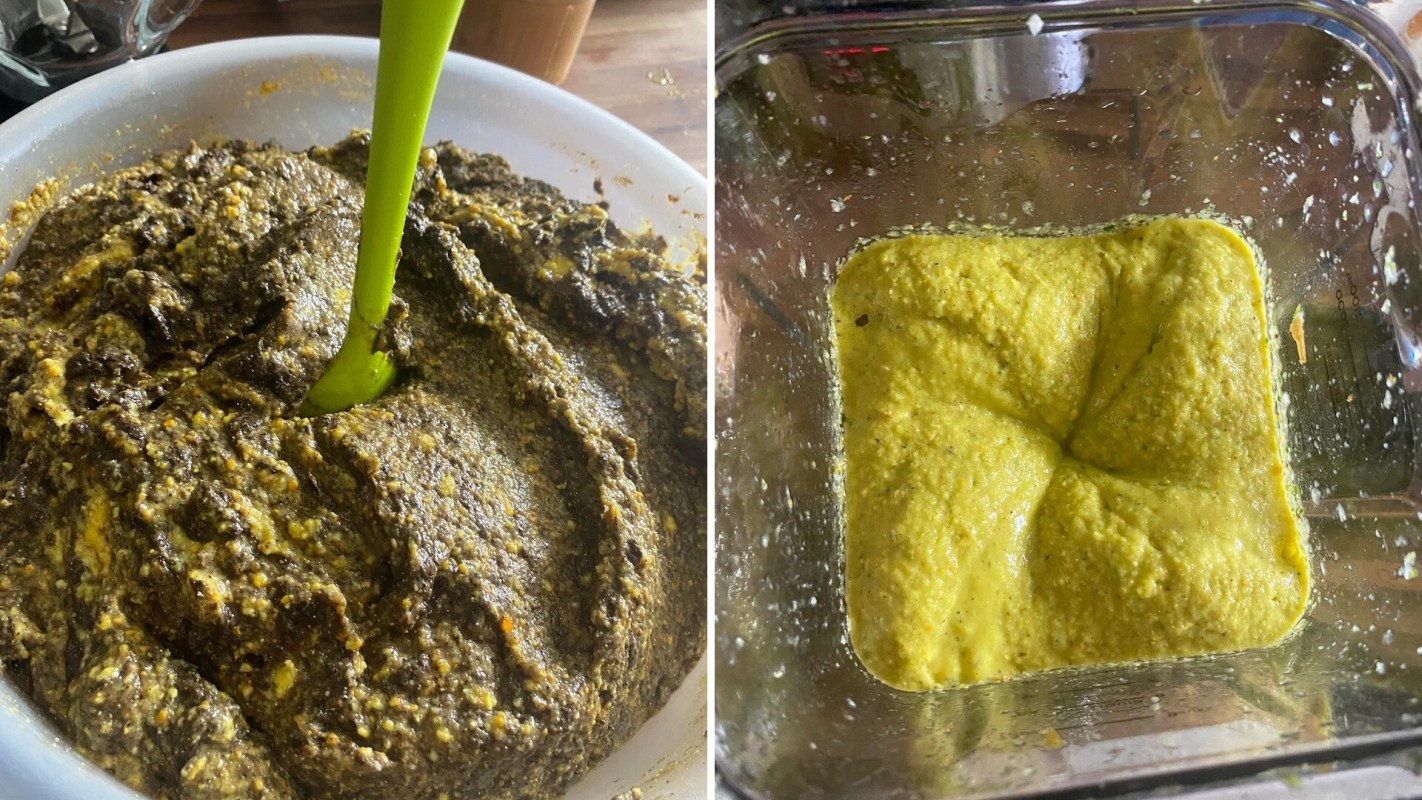
A bowl of blended oranges, eggshells, coffee grounds, and paper bags has kicked off a surprisingly serious compost debate online.
What looked like a harmless "compost smoothie" to one home gardener quickly raised a bigger question for fellow composters: Does blending scraps help them break down faster, or does it risk turning a pile into an oxygen-starved blob?
What happened?
In a post on Reddit, the r/composting user wrote that they had "decided to blend my additions this morning." The mixture included coffee grounds, eggshells, brown paper bags, cucumbers, red onions, strawberry leaves, and 12 old oranges.
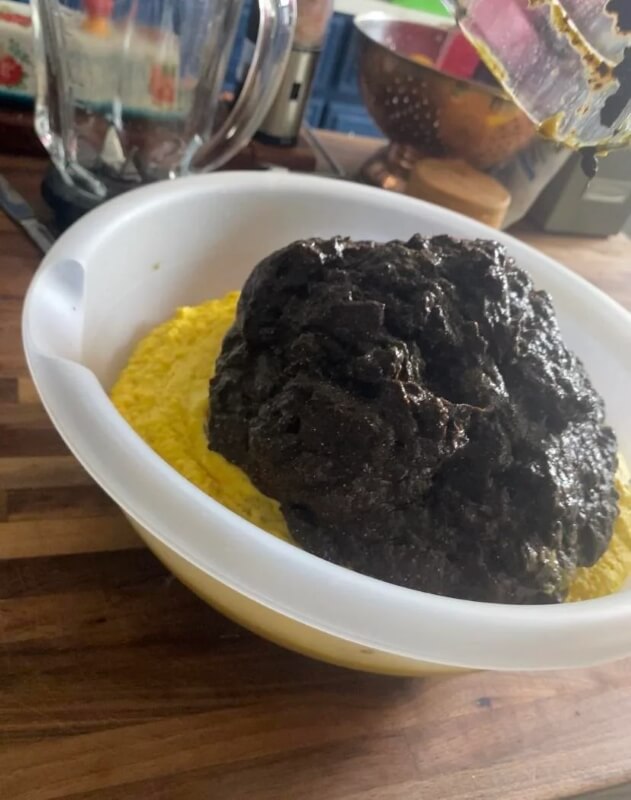
Some people leaned into the humor of the sight.
One commenter joked, "What's wrong honey? You've barely touched your compost smoothie."
Another wrote, "Help, I thought it was pesto."
TCD Picks » Quince Spotlight
💡These best-sellers from Quince deliver affordable, sustainable luxury for all




Others focused on the science behind the method.
One commenter warned, "Have you done this before? I'd just be worried it'll turn into an anaerobic blob unless you're really mixing it in to some browns with good structure."
The concern wasn't really about the ingredients themselves but whether the blended mixture would become too dense, trapping moisture and limiting airflow.
Why does it matter?
Composting is one of the simplest ways to turn kitchen waste into a useful resource instead of sending it to the trash.
That can help build healthier soil for fruits, vegetables, herbs, and flowers while reducing the need to buy as many soil amendments.
Home gardening also comes with plenty of benefits for people. Growing your own food can save money on produce, especially herbs and high-turnover vegetables. It can also provide better-tasting food picked at peak freshness, and the routine of tending a garden can support both mental and physical health.
But composting works best when the pile stays aerobic, meaning oxygen can move through it. If blended scraps become too wet and dense, they can create odors, slow decomposition, and in some cases contribute to methane-producing anaerobic conditions.
Many commenters said the key is maintaining the right structure. Browns such as leaves, cardboard, and sticks help create the air pockets needed to keep a pile healthy.
What can I do?
If you want to try faster composting at home, the safest route is balance.
Food scraps are considered "greens," so they generally need to be paired with bulkier "browns" such as dry leaves, shredded cardboard, or wood chips. If scraps are blended, they should usually be mixed thoroughly into those dry materials rather than dumped in as one heavy mass.
It also helps to monitor moisture levels. A healthy pile should feel more like a wrung-out sponge than soup. Turning the pile regularly and adding coarse material can help keep it from compacting.
Using a blender also is not necessarily the most convenient option. Depending on your setup, it may be simpler to chop scraps by hand or add them whole than to wash out a blender after each round.
If composting is part of a bigger backyard plan, it can also support a productive food garden. TCD's guide to growing your own food breaks down practical ways to start, whether your goal is lower grocery bills, fresher produce, or a more rewarding outdoor hobby.
In an update, the original poster emphasized that the puree was just one day's addition, writing, "I should have added that this is simply an addition for today!!"

Get TCD's free newsletters for easy tips, smart advice, and a chance to earn $5,000 toward home upgrades. To see more stories like this one, change your Google preferences here.






