


Wisconsin's governor's race is emerging as an unexpected battleground over AI data centers, according to Wisconsin Public Radio.
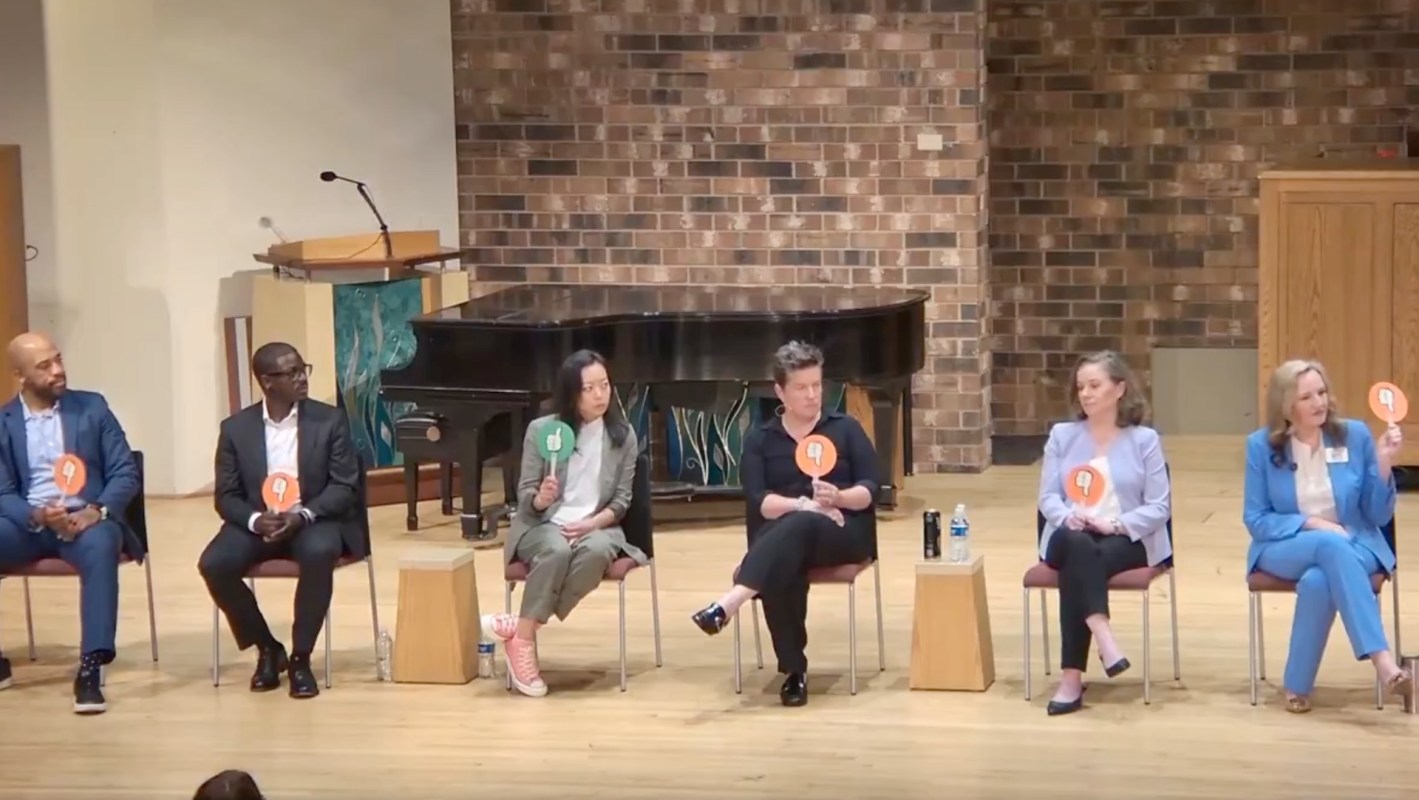
The issue came to the forefront at a June debate, where six Democratic candidates were asked whether they supported a one-year pause on new construction. Only one candidate said yes.
What happened?
At the debate, the division was easy to see. State Rep. Francesca Hong of Madison raised a green thumbs-up sign to support a statewide moratorium on AI data center construction, while the other Democrats raised red thumbs-down signs. Status Coup reporter JT Cestkowski (@JTCestkowski) shared the moment on X:
I asked six of the leading Democrats running for governor of Wisconsin if they support a data center moratorium. Only one said yes.
— JT Cestkowski (@JTCestkowski) June 3, 2026
Last night, I moderated a forum on working-class issues. Here are the most interesting yes/no questions I asked, and what the candidates said. ⬇️ pic.twitter.com/xwxpV1xLJK
With the Aug. 11 primary getting closer, Hong is still the only Democrat calling for a statewide pause. She told WPR that projects already being built in Mount Pleasant, Port Washington, and Beaver Dam would continue, and that the pause would instead give Wisconsin time to set guardrails on utility costs, environmental protections, labor standards, and subsidies.
Voter skepticism appears strong. WPR cited a May Marquette Law School Poll showing that 71% of Wisconsin voters believe the costs of data centers outweigh their benefits.
Charles Franklin, who directs the Marquette Law School Poll, said, "You're not seeing anybody speaking up for data centers, but Hong has been more outspoken against them than anybody else."
TCD Picks » Quince Spotlight
💡These best-sellers from Quince deliver affordable, sustainable luxury for all




Why does it matter?
AI is closely tied to the power grid because the data centers used to train and run AI tools require enormous amounts of electricity and, in many cases, large volumes of water to keep equipment cool.
The potential benefits of AI in certain fields are significant, but so are the risks, including higher energy bills, local water strain, security concerns, and unintended social consequences if growth outpaces oversight.
Hong warned that "unchecked growth is going to lead to more economic devastation as well as environmental devastation," according to WPR, while business leaders argue that the industry is a major source of jobs and tax growth.
"To put a moratorium on data centers is to put a moratorium on economic growth," Dale Kooyenga, who leads the Metropolitan Milwaukee Association of Commerce, told WPR. He said data center investment has helped drive Wisconsin's recent economic growth and supported companies in the supply chain, including Generac and Modine Manufacturing.
WPR reported that lawmakers in 15 states, including Wisconsin, have considered moratoriums or other restrictions on data center development, showing how quickly communities across the country are being pushed to weigh economic opportunity against environmental and energy concerns.
What's being done?
WPR reported that Hong previously introduced legislation that would have barred large data centers from operating unless certain conditions tied to utility costs, environmental standards, labor, and local approval were met. That bill failed to pass, and competing Democratic and Republican proposals to regulate data centers also stalled last session.
Some Wisconsin communities have already moved ahead without statewide action. Superior, Wrightstown, and Manitowoc and Dane counties have imposed local moratoriums, reflecting concern about how quickly these projects are moving forward.
Other candidates are calling for a middle ground rather than an outright ban. WPR reported that former Lt. Gov. Mandela Barnes has said he will "ensure new data center construction does not happen until there are guardrails on the books," while Republican U.S. Rep. Tom Tiffany has called for ending subsidies and protecting farmland from industrial development.
The debate could shape future utility bills, water use, land development, and local tax bases.
"When data centers come up for debate at city councils or planning commissions, we're seeing a large turnout of pretty angry people opposed to the data centers," Franklin said.
But Hong argued that the state still has "a responsibility to respond," calling the issue "a broader issue of democracy and how we are prioritizing people over massive profits and wealth disparities."

Get TCD's free newsletters for easy tips, smart advice, and a chance to earn $5,000 toward home upgrades. To see more stories like this one, change your Google preferences here.






