


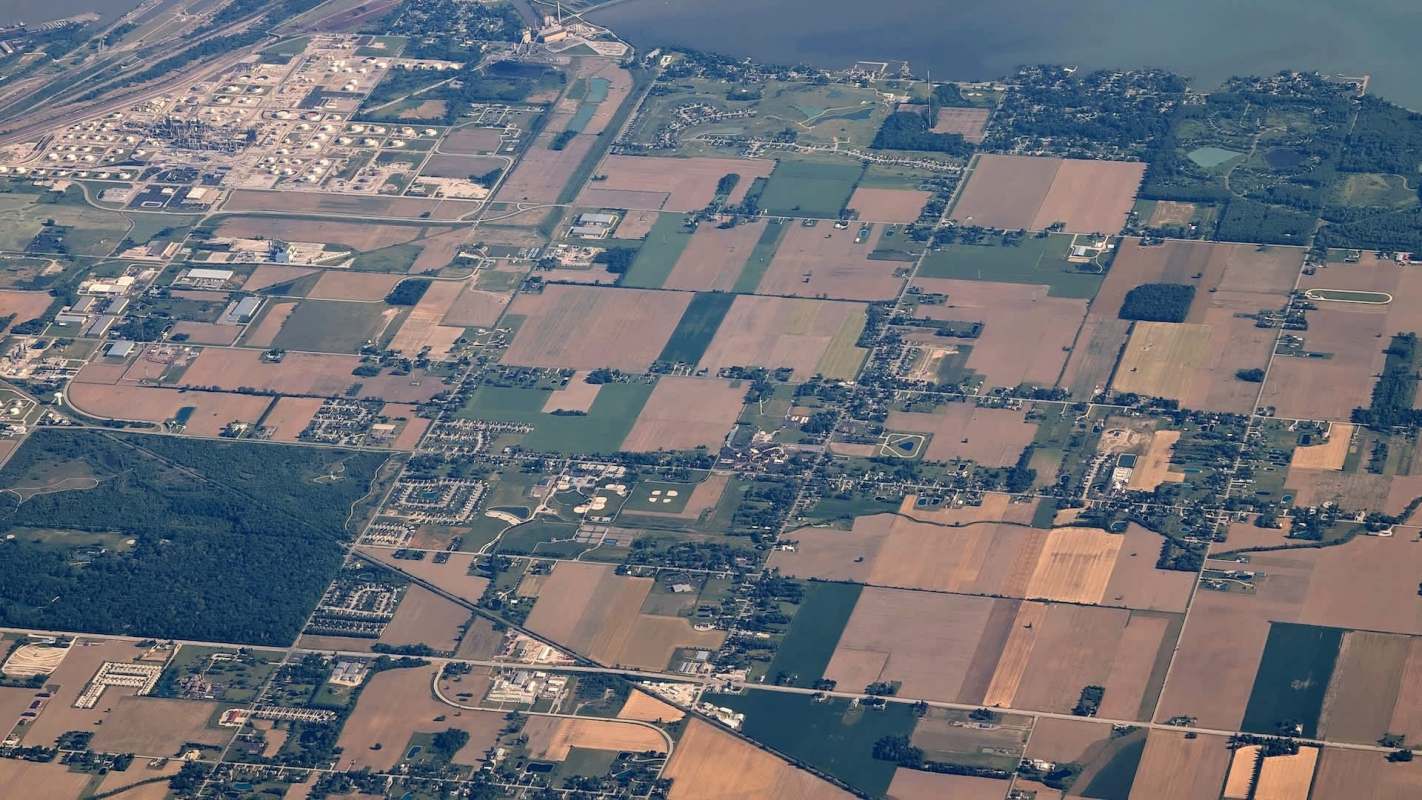
Oregon's data center boom is running into resistance. The facilities now occupy about 2,900 acres and consume roughly 11% of statewide electricity, fueling concerns about electric bills, water supplies, and whether the grid can keep up.
That level of development puts Oregon among the nation's top three states for data center growth, KGW reported.
What's happening?
During an appearance on KGW's "Straight Talk," Mike Rogoway, business reporter for The Oregonian, said electricity demand from data centers has surged over roughly the past half-dozen years, following a long stretch when consumption was essentially flat.
In The Dalles, Google's operations draw close to two-fifths of the municipal water supply, raising concerns about threatened fish species. In Washington County, three residents petitioned for a pause on new data center construction, pointing to rising power costs and harm to agriculture.
The friction affects tax policy. Rogoway noted that Prineville officials, who struck a property-tax exemption with Meta now valued at roughly $60 million to $70 million annually, believe they'd push for stricter terms today.
Why does it matter?
If large power users keep expanding, households could end up paying more for electricity and facing blackouts during extreme heat or cold, especially as the grid is already under strain.
TCD Picks » Quince Spotlight
💡These best-sellers from Quince deliver affordable, sustainable luxury for all




Water is another concern. Data center cooling systems demand large amounts of water, and in dry regions, that pits municipal, agricultural, and ecological needs against each other.
AI is deeply tied to this issue because the technology depends on data centers that require enormous amounts of electricity and, in many cases, water. AI can offer real benefits, such as helping utilities forecast demand, boost grid efficiency, and integrate more wind and solar power. But its rapid growth also comes with risks, including heavier energy use, security concerns, misuse, and unintended consequences such as higher utility bills and added pressure on local resources.
What's being done?
The Washington County petitioners want officials to pause new projects until the state has a better handle on power demand, water consumption, and land-use impacts.
Oregon has already begun acting on those concerns. Earlier this year, the state's POWER Act directed regulators to make sure large energy users, including data centers, pay their own way instead of passing costs on to the public, and Portland General Electric has since proposed a 29% rate hike for its largest power customers.
Similar pushback is playing out nationwide, with more than $130 billion in data center projects stalled or delayed across the country in early 2026.
"Data centers want to build pretty much anywhere they can," Rogoway said.

Get TCD's free newsletters for easy tips, smart advice, and a chance to earn $5,000 toward home upgrades. To see more stories like this one, change your Google preferences here.






