


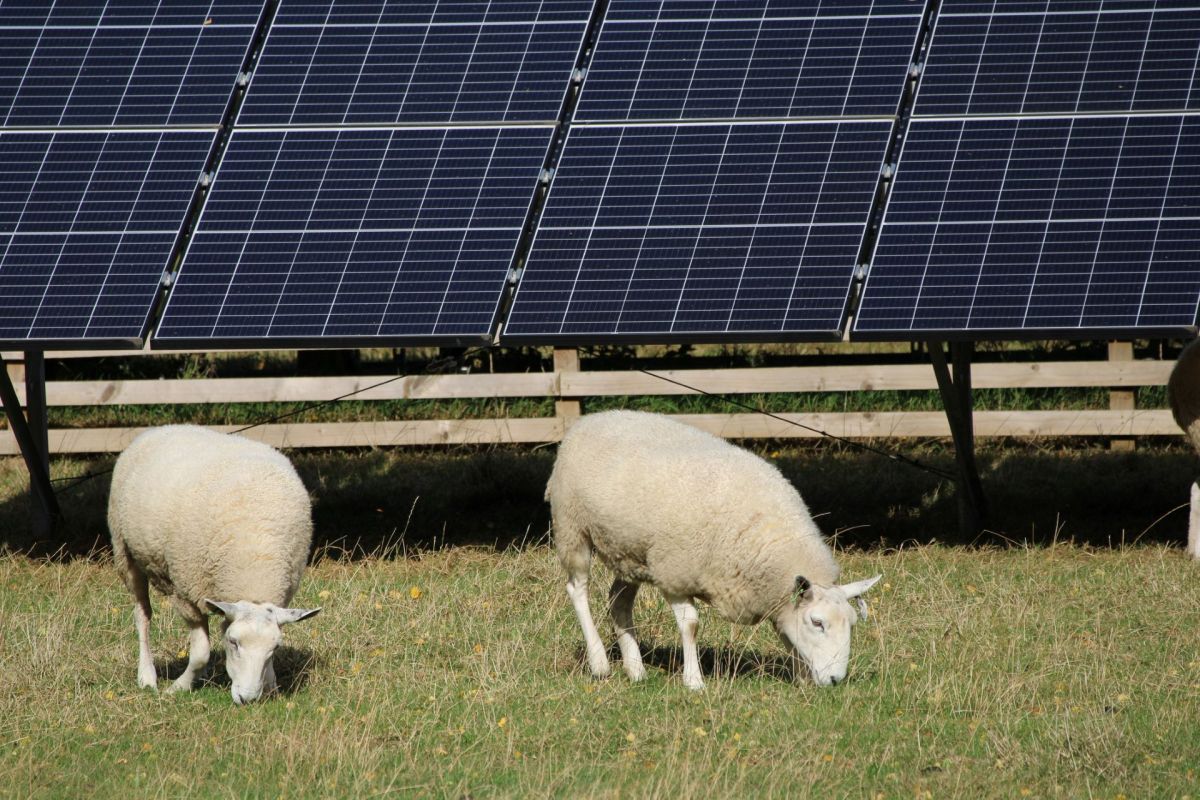
A clean energy trend gaining traction in Canada is turning solar farms into an unexpectedly profitable workplace for sheep grazers.
As BGR reported, new findings indicate that tending flocks on solar installations can pay far more than conventional shepherding, with earnings estimated at about two to three times higher.
What's happening?
A study from Western University's Ivey School of Business, conducted with a professional shepherd from The Lara Costa farm, evaluated two solar-grazing models in Canada: keeping breeding ewes or acquiring lambs at annual auctions.
Both models generated strong returns.
With Glassdoor listing shepherd pay at roughly $42,000 to $79,000 per year, the study's projected returns suggest solar grazing can be much more lucrative. Estimated return on investment ranged from 16% to 31% for breeding operations and from 22% to 43% for auction-based operations.
Shade from the panels can help keep sheep cooler, and the vegetation growing around the installations gives them a dependable food source.
TCD Picks » Quince Spotlight
💡These best-sellers from Quince deliver affordable, sustainable luxury for all




Operators may spend less on pasture leases and can also earn money from solar farm owners for vegetation management.
Why does it matter?
The findings address two challenges at once: making more efficient use of land and lowering the cost of maintaining clean energy infrastructure.
Instead of reserving large areas solely for power production, agrivoltaics allows the same land to continue supporting agriculture, grazing animals, and even pollinator habitat.
Using sheep instead of mowing equipment can reduce fuel costs, cut emissions, and lower the risk of dust and debris being kicked onto solar panels.
Cleaner panels and better-controlled vegetation can also help solar arrays keep generating electricity efficiently.
More dependable income for farmers and shepherds can help strengthen rural economies, while lower-maintenance solar operations may allow companies to better manage costs as they expand clean power.
What's being done?
Agrivoltaics is already expanding in Canada, backed by groups such as Agrivoltaics Canada and growing interest in multi-use solar development, according to BGR.
Among agrivoltaic approaches, sheep grazing is already one of the most established.
Predators, parasites, and disease can harm flock health and reduce profits. Solar sites may also require fencing, rotational grazing layouts, and dependable water access so animals can move around and keep vegetation under control.
For developers, that means designing solar farms with grazing in mind from the start.
Dual-use solar can help preserve farmland, create rural jobs, and reduce the operating costs associated with renewable power.
The sheep are "just mowing the grass." That simple task can raise farm income while improving solar operations.

Get TCD's free newsletters for easy tips, smart advice, and a chance to earn $5,000 toward home upgrades. To see more stories like this one, change your Google preferences here.






