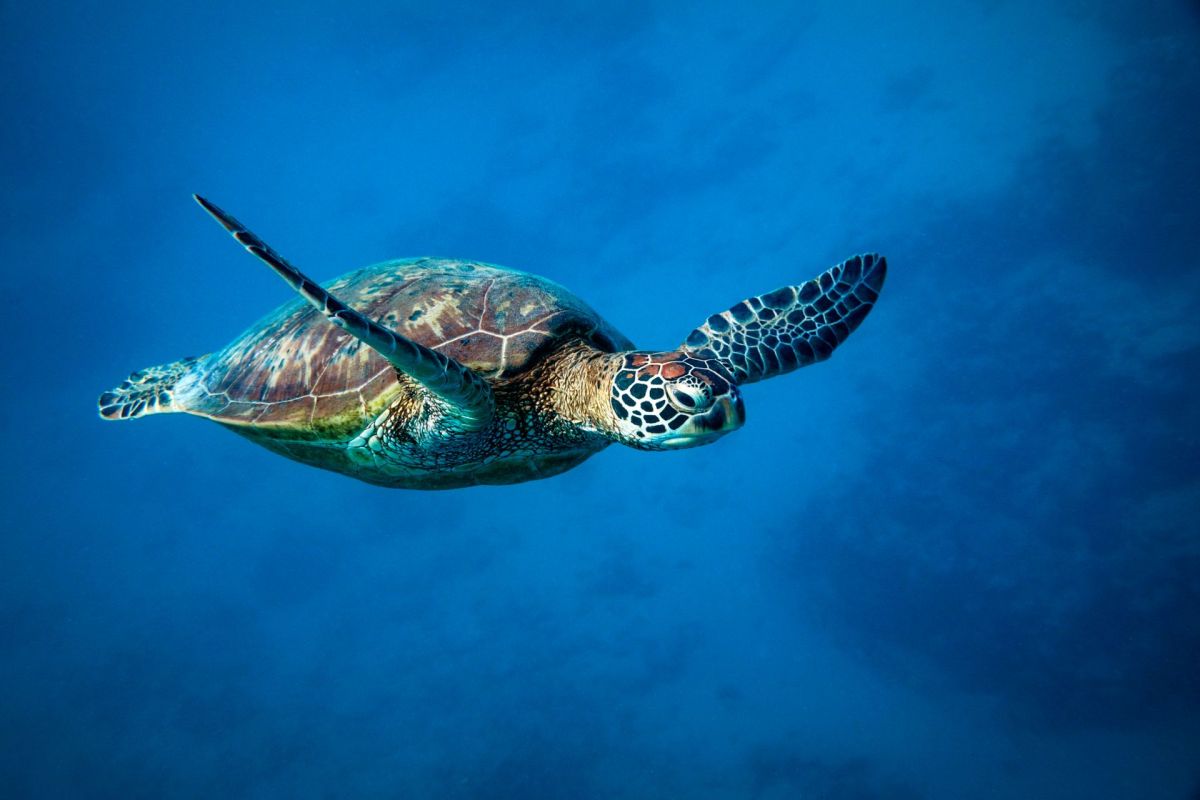
A crowd gathered on Jekyll Island in fierce 40 mph winds this spring to watch Carnegie, a green sea turtle that had spent months recovering at the Georgia Sea Turtle Center, return to the Atlantic.
The send-off was both a moment of hope and an important milestone for local conservation efforts, according to WTOC.
What happened?
In April, Carnegie was released into the ocean at Jekyll Island after a lengthy stay at the Georgia Sea Turtle Center, WTOC reported.
Veterinarians invited the public to witness the joyous event, and attendees showed up despite intensely strong coastal winds that day.
Before rehabilitation efforts began, Carnegie was found on Cumberland Island in poor condition in late 2025, according to WTOC.
Officials said the turtle showed signs of fibropapillomatosis, a condition that can lead to tumors in sea turtles.
TCD Picks » Quince Spotlight
💡These best-sellers from Quince deliver affordable, sustainable luxury for all




Carnegie was riddled with multiple tumors, skin irritation, and heavy epibiota — organisms attached to the body — such as barnacles and leeches at the time of intake, WTOC reported.
After several months of efforts to restore Carnegie to health, the turtle was cleared to return to the wild.
The event was the center's first sea turtle release of 2026.
Why does it matter?
Green sea turtles like Carnegie are facing risks including disease, marine debris, habitat loss, and overheating oceans.
Sea turtles are a critical part of marine ecosystems.
Green sea turtles, for instance, are known for grazing on seagrass, which helps keep underwater habitats productive for other species.
Healthy coastal ecosystems are, in turn, highly beneficial to nearby communities, supporting robust fisheries, encouraging tourism, and providing shoreline protection.
Comebacks like Carnegie's are a perfect example of how small creatures can have a big impact on ecosystems and communities alike.
What happens now?
The Georgia Sea Turtle Center's work with Carnegie reflects a common wildlife conservation approach: rescue, treatment, and release.
That hands-on model gives injured or sick animals a second chance while also helping experts better understand the threats sea turtles face in the wild.
Practical ways to help coastal species and habitats include supporting accredited wildlife rehabilitation centers, respecting marked nesting areas, keeping beaches clean, and reducing litter that can enter waterways.
Boaters should also stay alert in coastal habitats where turtles may surface and be mindful of known nesting zones.
Supporting conservation groups like the Georgia Sea Turtle Center is another way to ensure healthier ecosystems, locally and everywhere.

Get TCD's free newsletters for easy tips, smart advice, and a chance to earn $5,000 toward home upgrades. To see more stories like this one, change your Google preferences here.