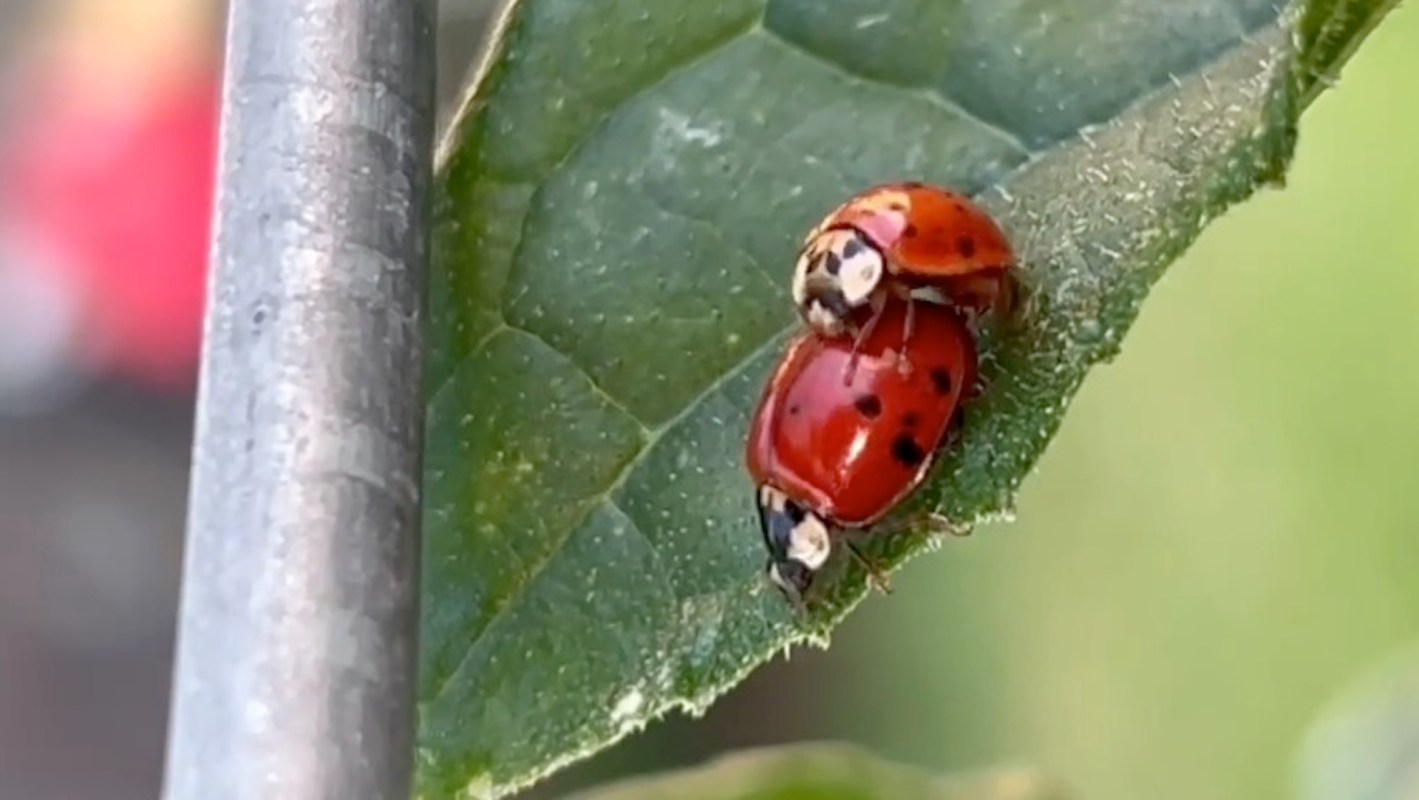
A routine garden check gave one home grower a funny but useful sight: two ladybugs mating while larvae covered nearby plants. It also hinted that a form of chemical-free pest control might already be active in the yard.
What's happening?
The conversation started with a photo shared on Reddit showing two mating ladybugs. The gardener wrote, "I have ladybug larvae everywhere and I'm so happy for this energetic couple."
Since ladybug larvae feed on aphids, one of the most common frustrations for vegetable gardeners, the post pointed to how beneficial insects can naturally help keep pest infestations in check.
One commenter joked, "Did not know ladybugs did the hibbidy dibbidy like that." The thread also included a discussion over whether the bugs were native ladybugs or invasive Asian lady beetles.
Why does it matter?
Ladybugs and their larvae can help suppress aphids, reducing the need for pesticides while helping protect soil health and other beneficial insects.
That is important because aphids, despite their size, can do serious harm by sucking sap from vegetables, flowers, and fruiting plants, and they reproduce rapidly. As one commenter noted, "Ironically, Ladybugs' number 1 prey, aphids, are mostly asexual and (mostly) reproduce by creating clones of themselves."
TCD Picks » Quince Spotlight
💡These best-sellers from Quince deliver affordable, sustainable luxury for all




The advantages of a thriving garden extend beyond pest control: growing food at home can lower grocery bills, provide fresher, better-tasting produce, and even benefit mental health. Digging, weeding, watering, and harvesting also get people outdoors while adding light physical activity to a daily routine.
What can I do?
Gardeners who want more natural pest control can start by making their yards more appealing to beneficial insects. That can mean skipping broad-spectrum chemical sprays, growing a mix of flowers and vegetables, and allowing some herbs to bloom for nectar and pollen.
It also helps to keep an eye on plants early, since a strong spray of water, pruning heavily infested leaves, or simply giving predators such as ladybugs time to catch up can sometimes prevent aphids from taking over. In other words, harsh chemicals do not need to be the first response.
For gardeners looking for more ideas, The Cool Down has a guide to controlling pests without chemicals. These approaches will not solve every infestation overnight, but they can help build a healthier garden ecosystem over time — one that may save money and protect your harvest.

Get TCD's free newsletters for easy tips, smart advice, and a chance to earn $5,000 toward home upgrades. To see more stories like this one, change your Google preferences here.