


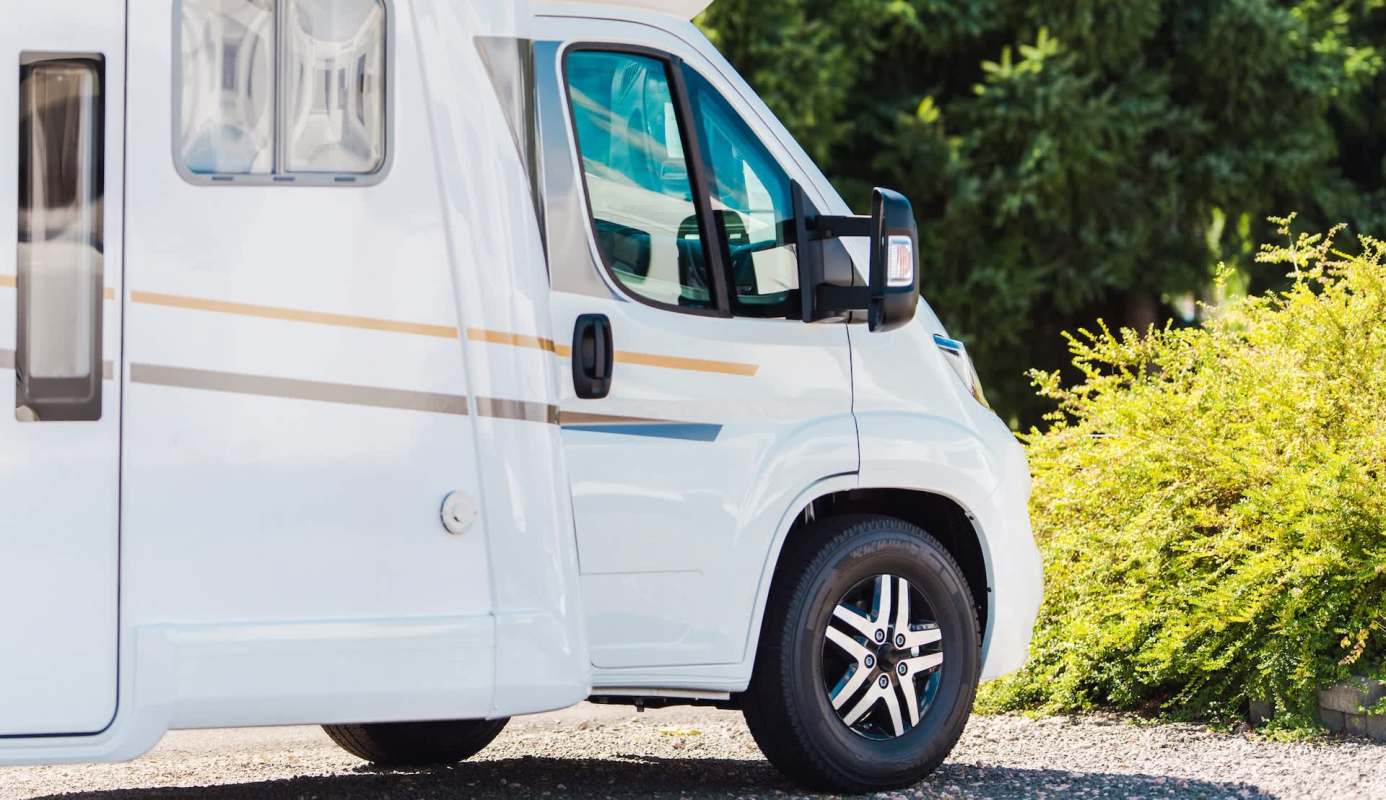
A rural home sale is about to unfold alongside a difficult neighbor situation. After losing their house in a fire, the people next door are now staying in two RVs with generators running nonstop.
The seller says they are sympathetic to the family's loss, but with their own property expected to be listed in about a week, they worry the noise and look of the setup could hurt the sale.
What happened?
For the home seller, the current problem started after a fire destroyed a nearby house; they said the blaze originated in an RV on that property. According to the Reddit post, the neighbors have been living in a newer RV ever since, with a generator running continuously.
They said matters worsened when a second RV was brought onto the property and connected to another generator, where a couple is also now staying.
"It's noisy and unsightly but I've let it be because they lost their house and likely have no where else to go," the original poster wrote.
With their own home set to be listed in about a week, the poster said they fear buyers' first impression will be the noise from the generator. They also wrote that year-round RV living is not allowed under local rules and said the generators may violate noise ordinances and pose a fire hazard.
TCD Picks » Quince Spotlight
💡These best-sellers from Quince deliver affordable, sustainable luxury for all




Why does it matter?
Constant generator noise can be more than an inconvenience during a home sale. It can shape first impressions during showings, raise concerns about neighborhood conditions, and prompt questions about air pollution, fire danger, and code enforcement. In rural areas, where buyers often expect peace and open space, the effect may be especially pronounced.
Running generators 24/7 can mean ongoing fuel and maintenance expenses. Cleaner electrified alternatives — such as proper utility hookups, battery backup systems, or other temporary electric infrastructure — can eliminate gasoline purchases, reduce upkeep, and dramatically cut noise.
Those solutions are not always possible or easy to access after a disaster, but they can offer both comfort and savings.
What can I do?
The first step is usually documentation. Keeping records of generator noise, operating times, and any visible safety hazards can be helpful if a conversation with neighbors or a call to local officials becomes necessary.
A direct but empathetic conversation may also be worth trying before filing a complaint. Asking whether the neighbors have explored temporary hookups, local disaster aid, insurance assistance, or other safer housing options could help identify a solution.
If that fails, contacting the town, the local fire marshal, or the code enforcement office for guidance — rather than immediately seeking punishment — may help clarify what options are available. A real estate agent may also be able to advise on timing, pricing, and showing strategies if a nearby nuisance is likely to affect a sale.
As the homeowner put it, "anyone who comes to view our property is going to be immediately hit with the drone of two generators." At the same time, they admitted: "I fear a complaint could lead to them becoming homeless. I'm at a loss here."

Get TCD's free newsletters for easy tips, smart advice, and a chance to earn $5,000 toward home upgrades. To see more stories like this one, change your Google preferences here.






