


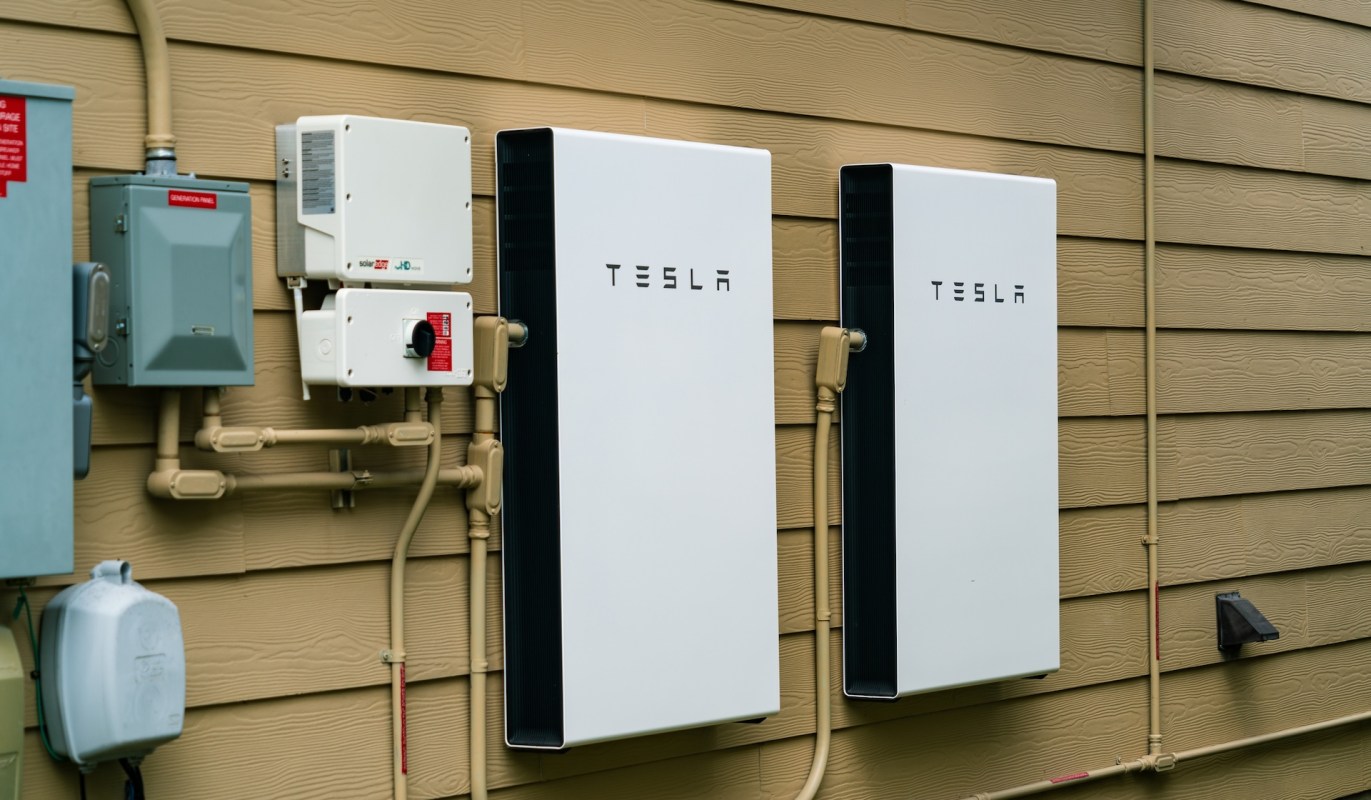
For homeowners already generating their own power, one of the next major questions is often how much battery backup is actually enough. That was the dilemma for one solar-equipped driver with two electric vehicles, who found that adding a third Powerwall expansion could potentially bring in an extra $440 a year through a virtual power plant program.
What happened?
In a post on Reddit, the homeowner explained that an installer mix-up had affected the pricing. After that correction, they said moving from one Powerwall with one expansion battery to one Powerwall with two expansion batteries would add $2,800. They also described having 8.46 kilowatts of solar, two EVs, and annual electricity use of about 18,000 kilowatt-hours.
Using those figures, the extra battery would add roughly $440 per year through a VPP (virtual power plant) program. At the stated upgrade price, that suggests a simple payback period of a bit more than six years, although actual results can differ based on battery performance, utility policies, and how frequently the system is dispatched.
For homeowners trying to run similar calculations, it can help to compare options before signing anything. You can explore EnergySage's free tools to get information about home battery storage options, including competitive installation estimates. EnergySage has teamed up with the electrification brand Qmerit to guarantee you get the best price on home battery storage solutions.
There are also lower-cost backup options entering the market. One such option is Pila, a company that offers plug-and-play batteries priced at a fraction of the cost of a whole-home backup system.
Why does it matter?
For many households, battery storage is no longer just a luxury add-on. It can help turn solar panels into a more reliable home energy system by storing excess electricity for nighttime use, peak-rate periods, or blackouts.
Adding battery storage can save on electricity costs, protect your home during outages, and allow your home to operate off the grid. It can also reduce the amount of electricity you need to buy when rates are highest, which is especially important for families charging EVs at home.
That added resilience has become more valuable as severe weather and grid stress grow more common. A larger battery bank can also make VPP participation more worthwhile, allowing homeowners to earn money by helping support the grid when demand spikes.
Save $10,000 on solar panels without even sharing your phone number Want to go solar but not sure who to trust? EnergySage has your back with free and transparent quotes from fully vetted providers in your area. To get started, just answer a few questions about your home — no phone number required. Within a day or two, EnergySage will email you the best options for your needs, and their expert advisers can help you compare quotes and pick a winner. Solar panels can save you more than $50k over their 25-year lifespan, and EnergySage can help you save as much as $10k on installation. Which begs the question — isn't that worth an email or two? |

What can I do?
If you're considering home batteries, it can help to start by looking at your actual electricity use, whether you have time-of-use rates, and how important outage protection is for your household. Someone with solar panels, EV charging needs, or frequent blackouts may benefit more from additional storage than a lower-use household.
Battery storage can help keep essential appliances running during a blackout while lowering your dependence on the grid over time. For homeowners who want more resilience without committing to a full whole-home system, smaller backup products can also be a practical first step.
As the original poster put it: "I feel like I only need 1 Powerwall + 1 expansion, but the cost to add another expansion battery is very negligible." After getting updated pricing, they added: "However, I'd be getting an additional $440/yr through VPP. Still worth it right?"

Get TCD's free newsletters for easy tips, smart advice, and a chance to earn $5,000 toward home upgrades. To see more stories like this one, change your Google preferences here.






