


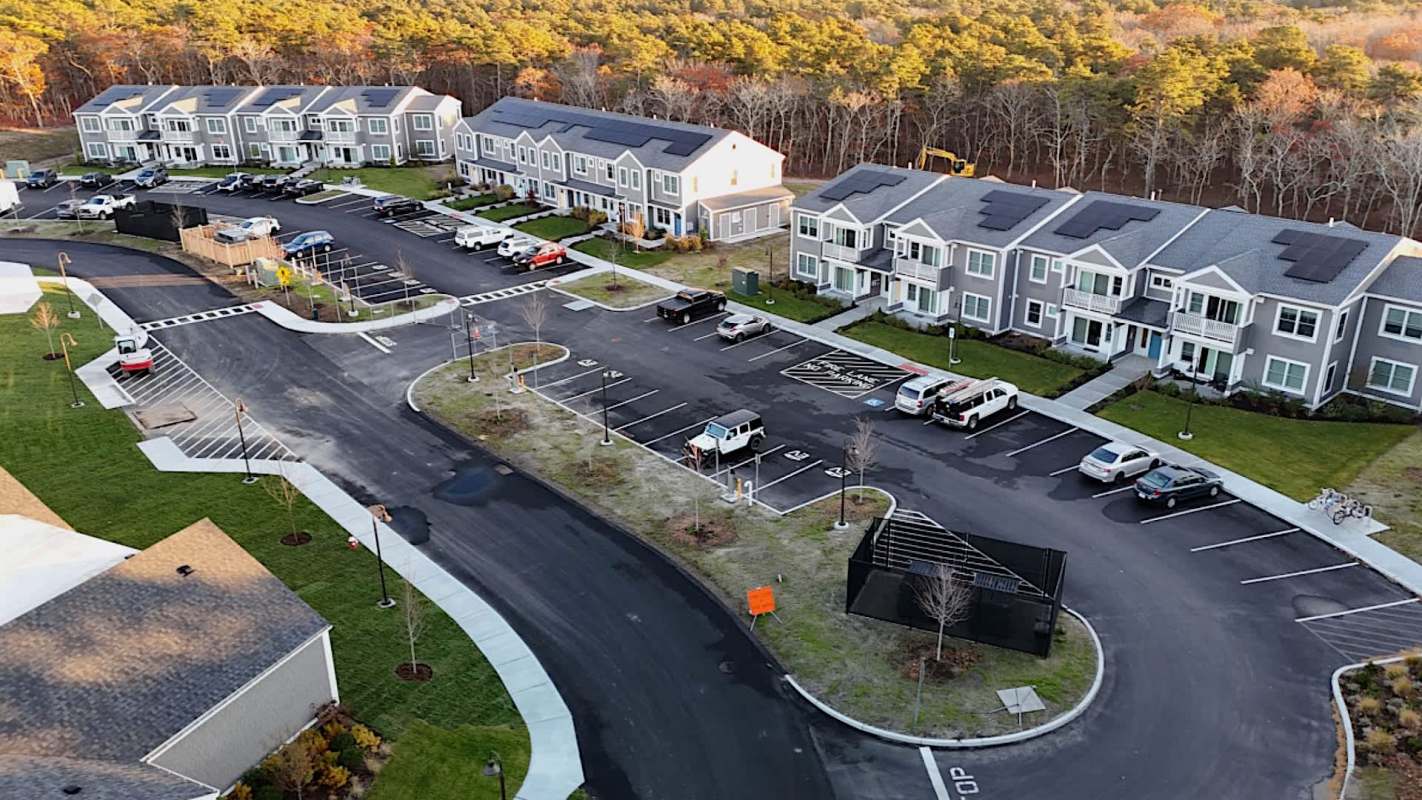
At the Martha's Vineyard Hospital workforce housing development, a new solar project is serving multiple purposes. Along with producing renewable electricity, it is set up so that some of the project's financial gains can help local households struggling with high power bills.
What's happening?
According to Solar Builder, the 138-kilowatt system at the hospital's workforce housing site in Massachusetts could reduce electricity costs by more than $550,000 over the next 25 years for qualifying island households.
Backed by PowerOptions Connect with assistance from Vineyard Power and the Massachusetts Clean Energy Center, the installation is the first project completed through PowerOptions Connect's SolarShare program.
Under that setup, the workforce housing site will not keep all of the project's economic value. Up to 50% of the financial benefits are intended for island households with high energy use.
Vineyard Power plans to determine which homes need the support most by drawing on programs it already operates, including utility discount enrollment and low-income community shared solar efforts.
Why does it matter?
Electric bills have become a major source of strain for many households, particularly in places where energy costs are high and housing affordability is already a challenge. A project like this can help ease that burden without requiring families to install solar panels on their own homes.
TCD Picks » Quince Spotlight
💡These best-sellers from Quince deliver affordable, sustainable luxury for all




Lower monthly power costs can free up money for groceries, rent, transportation, and other essentials, while solar generation itself can help reduce pollution associated with burning non-renewable energy sources.
Cleaner energy systems can contribute to better air quality over time, and institutions such as hospitals are especially visible examples that cost savings and climate action do not have to be separate goals.
What's being done?
SolarShare is built around the idea that the benefits of on-site renewable energy can be distributed more broadly. PowerOptions Connect combines the savings from solar projects with one-time grants and philanthropic capital, enabling a host site to pass along part of a project's economic value to households elsewhere in the community, according to Solar Builder.
That approach could encourage more nonprofit and public institutions to pursue solar for reasons beyond lowering their own operating costs. It may also give solar companies in the Northeast another way to develop projects that deliver measurable benefits to residents.
Community solar subscriptions and utility discount programs can all help reduce energy costs, especially for people who cannot install panels where they live.
For Michael Cosgrave, chief administrative officer at Martha's Vineyard Hospital, the value of the project is straightforward: "By integrating solar into our workforce housing and partnering with Vineyard Power and (PowerOptions Connect), we can cut emissions while creating a new, locally guided resource for Island households that are struggling with high energy costs."

Get TCD's free newsletters for easy tips, smart advice, and a chance to earn $5,000 toward home upgrades. To see more stories like this one, change your Google preferences here.






