


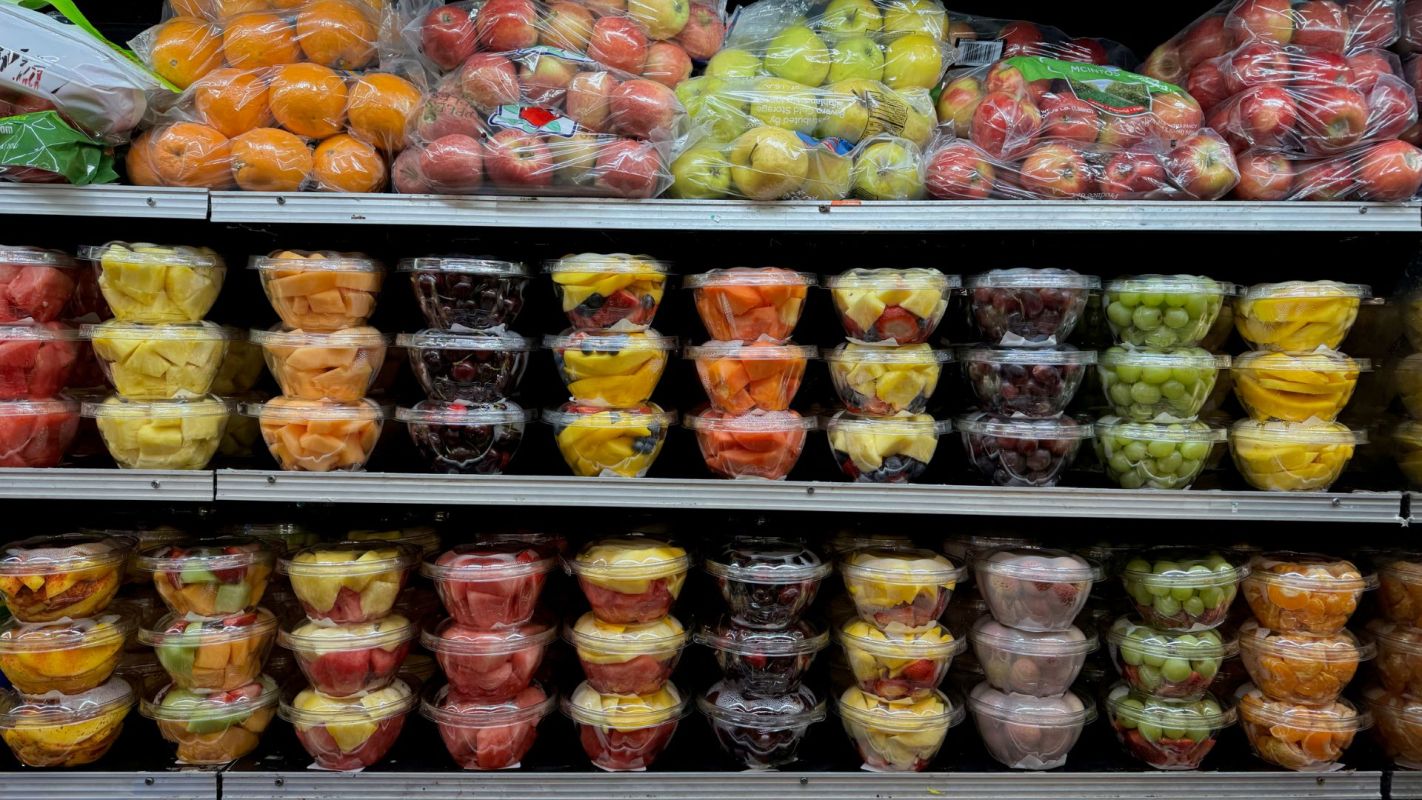
A trip to the grocery store in California may soon be a lot less confusing.
In a first for any U.S. state, California is getting rid of "sell by" labels on food packages and requiring clearer designations to separate quality guidance from safety guidance.
What happened?
According to Packaging Insights, Assembly Bill 660, now a law, limits the labels food manufacturers can use to a short list of approved terms.
The approved quality markers are "Best if Used By" and "Best if Frozen By," while safety-related labels are limited to "Use By" and "Use or Freeze By." Beginning July 1, food intended for human consumption cannot be sold in California unless it meets these new labeling rules.
Infant formula, eggs, beer, and other malt beverages are exempt from the law.
"For years, consumers have walked into grocery stores and seen more than 50 different date labels on food products, even though there has never been a consistent standard for what those labels mean," Nick Lapis, director of advocacy at Californians Against Waste, told Packaging Insights.
TCD Picks » Quince Spotlight
💡These best-sellers from Quince deliver affordable, sustainable luxury for all




"This law gives consumers straightforward information they can use. 'Best if Used By' tells people when a product is likely to have the best quality, while 'Use By' is reserved for the relatively small number of products where safety is the concern."
Why does it matter?
Dates tied to quality have long been the same as those that warn a product has become unsafe. For many shoppers, this inconsistency has encouraged the disposal of food that was still good to eat.
Each year, California throws away around 2.5 billion meals, per Packaging Insights, meaning many, many edible food items are prematurely sent to the trash. Beyond trashing perfectly good food, families have also been overpaying for groceries by prematurely throwing the items away.
Plus, after this food is sent to the landfill, it rots, producing methane, the powerful gas that contributes to the changing climate.

Get TCD's free newsletters for easy tips, smart advice, and a chance to earn $5,000 toward home upgrades. To see more stories like this one, change your Google preferences here.







