


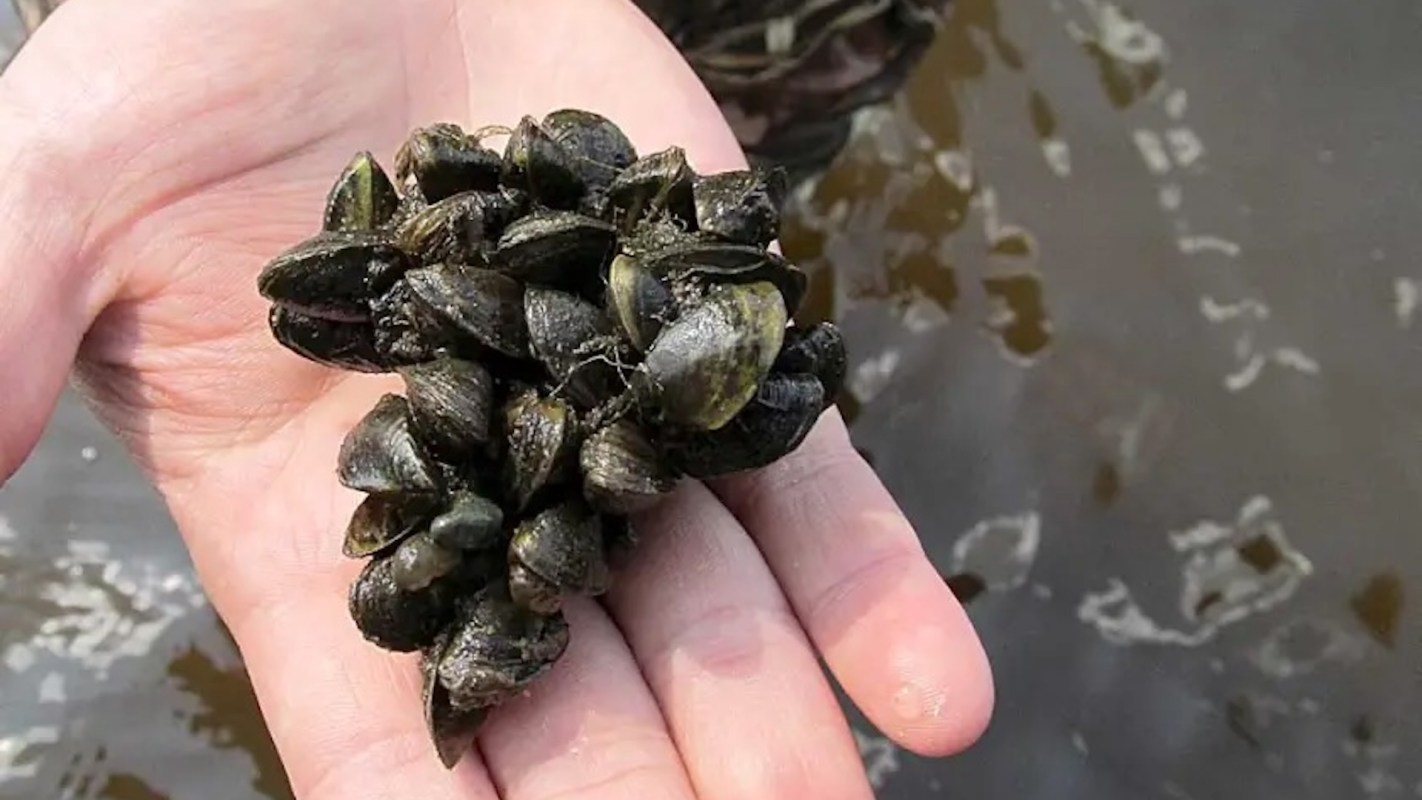
Minnesota officials have confirmed sightings of invasive zebra mussels in two more Crow Wing County lakes after residents spotted suspicious shells and alerted authorities.
The new sightings add pressure to a region where lakes are central to recreation, local identity, and the economy.
What happened?
As reported by the Brainerd Dispatch, separate reports from one resident and another property owner led the Minnesota Department of Natural Resources to confirm zebra mussels in Manuel Mine Lake near Crosby and Perch Lake in Baxter.
A lake user's report prompted a scuba search at Manuel Mine Lake, where DNR invasive species specialists found zebra mussels on rocks, logs, other native mussels, and debris, per the Brainerd Dispatch.
Zebra mussels are known to hitchhike between waterways on boats, trailers, docks, lifts, and other equipment, making busy lake communities especially vulnerable.
In the Minnesota DNR's press release of the sightings, the agency wrote: "People should contact a Minnesota DNR aquatic invasive species specialist if they think they have found zebra mussels or any other invasive species that was not already known to be in the water body."
TCD Picks » Quince Spotlight
💡These best-sellers from Quince deliver affordable, sustainable luxury for all




The DNR then provided this link to help residents find and contact wildlife specialists in their area.
Why does it matter?
Zebra mussels may be small, but they can cause major problems for lake ecosystems and the people who depend on them. They multiply rapidly, attach to nearly any hard surface, and compete with native species for food and habitat.
At Manuel Mine Lake, specialists found them attached to native mussels, underscoring the threat to local aquatic life.
Healthy lakes support fishing, swimming, boating, and tourism, all of which are important to Minnesota communities. When invasive species spread, they can affect water quality, damage infrastructure, and raise maintenance costs for homeowners, marinas, and public agencies.
Yet, these latest sightings are another sign that prevention remains the most effective tool in keeping invasive critters at bay. Once zebra mussels gain a foothold, they are notoriously difficult to remove.
What can I do?
For boaters and other lake users, Minnesota law requires several basic safeguards against invasive species.
The first requires people to remove aquatic plants and any prohibited invasive species from their watercraft, trailers, and other equipment. Additionally, citizens must never place bait in Minnesota waters; instead, dispose of it directly in the trash.
Before moving docks, lifts, or rafts from one body of water to another, the state requires them to dry for 21 days.
The DNR also recommends extra precautions, including decontaminating boats and equipment, using high-pressure water when possible, and drying watercraft and gear for at least five days before using them elsewhere.

Get TCD's free newsletters for easy tips, smart advice, and a chance to earn $5,000 toward home upgrades. To see more stories like this one, change your Google preferences here.







