


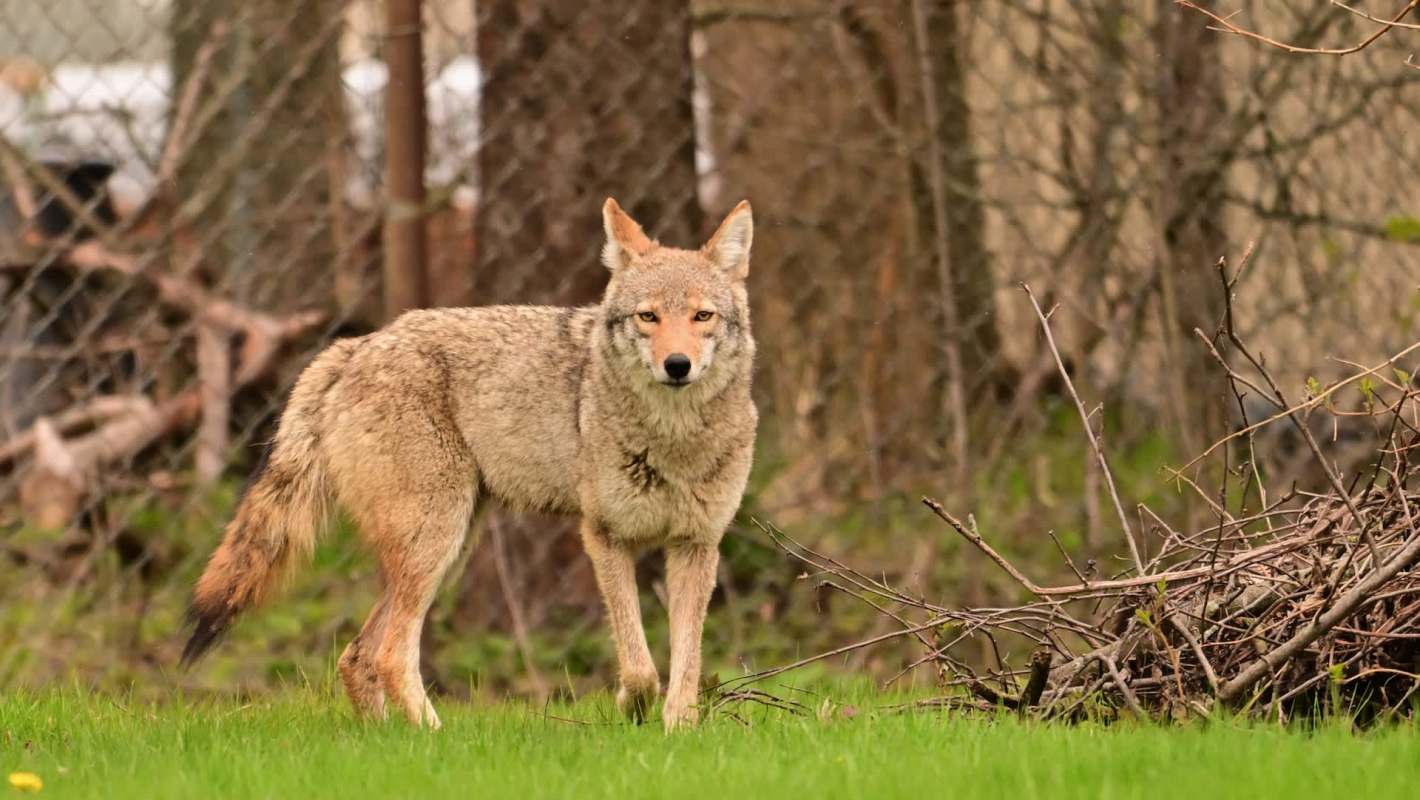
After losing nearly her entire flock in an overnight attack, a southwest Las Vegas homeowner is urging neighbors to stay alert. Security footage from the property showed coyotes getting over a high backyard fence and into the chicken coop.
What happened?
KTNV reported that homeowner Kristin Bartolo said coyotes entered her yard during the night and killed 20 of the 25 chickens she kept there.
Her surveillance video captured two or three coyotes in the backyard, and they appear to have gotten into the coop through a small door left open.
"The coyotes jumped over this fence, which is at least seven, eight feet," Bartolo said. "Came down this wall ... went around and took them out one by one."
She thinks the coyotes carried the chickens into the empty desert lot next to her house, then came back again and again.
"Then they went back through that gate, up that little ramp right there. They would take them out, take them over the fence, and come back and get them," Bartolo said.
TCD Picks » Quince Spotlight
💡These best-sellers from Quince deliver affordable, sustainable luxury for all




To Bartolo, the birds were pets she had raised, not just livestock.
Why does it matter?
What troubles Bartolo most, she said, is that the attack happened in an established neighborhood, which she sees as a sign that coyotes may be growing more comfortable around homes, pets, and backyard animals, KTNV noted.
That kind of encounter is often shaped, at least in part, by human activity. As cities expand into desert habitat, wild animals can lose space, adapt to fragmented landscapes, and learn that neighborhoods may offer water, shelter, or easier access to food.
As another example of the risk, Bartolo said she has "heard of them coming in packs of three or four and killing people's dogs."
What can I do?
In the aftermath, Bartolo said she is reinforcing the coop and the rest of her yard, according to KTNV.
The episode showed that a high fence alone may not stop coyotes, especially if a small door is left open.
That can mean double-checking coop doors at night, adding sturdier latches, using enclosed runs or overhead barriers, and removing easy food sources such as pet food left outside.
And if coyotes start appearing repeatedly or behaving boldly, reporting sightings to local animal control or wildlife officials may help communities track problem areas.
"We raised them. I named all of them. Their names are on my coops," Bartolo said. "I'm having a hard time."
She added: "They wiped my chickens out, and they're right over there still in the desert."

Get TCD's free newsletters for easy tips, smart advice, and a chance to earn $5,000 toward home upgrades. To see more stories like this one, change your Google preferences here.







