


An expensive gas stop spurred a challenge to see what could be recouped from rescuing retail waste.
After spending $54 to fill her van with gas, a content creator went dumpster diving, recovering more than $250 worth of discarded goods that were still usable.
What happened?
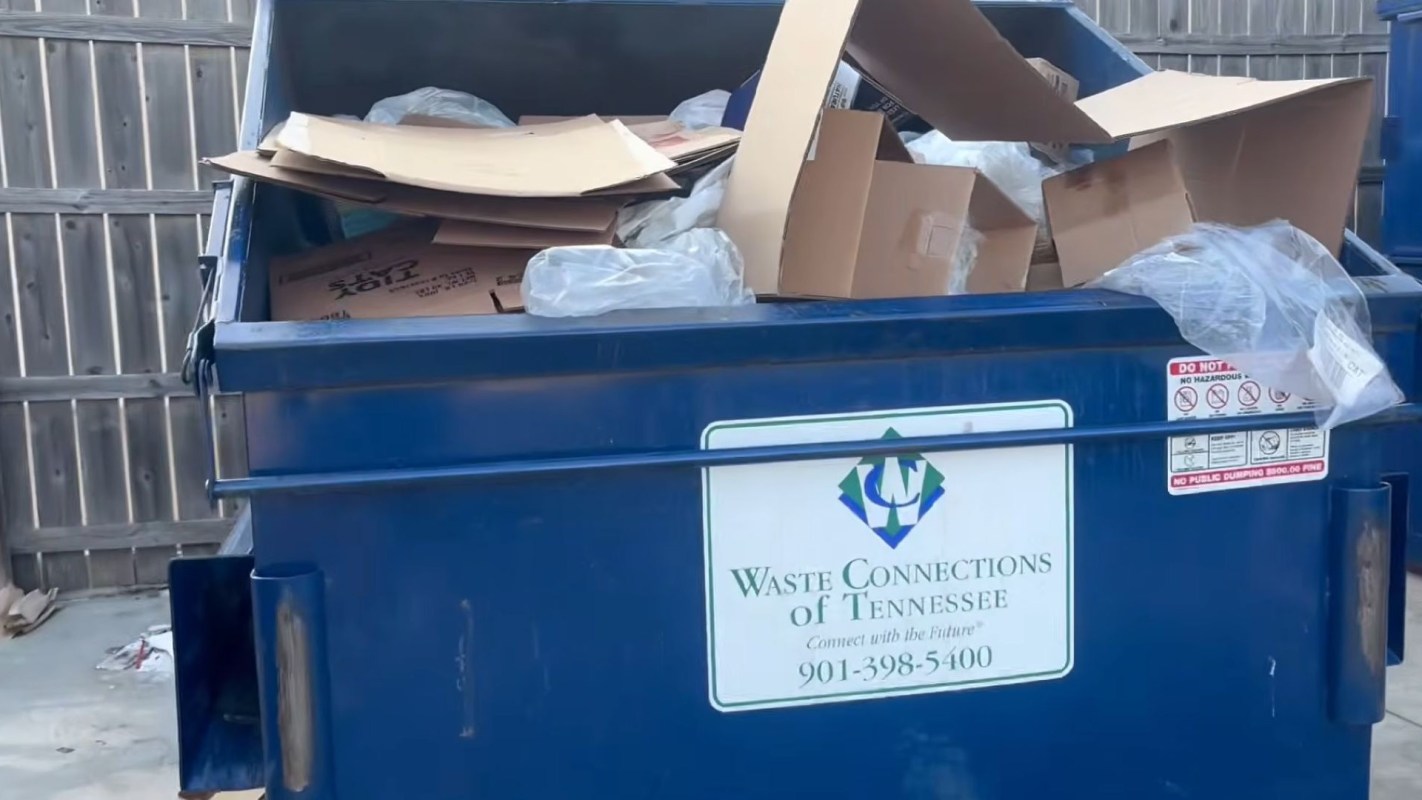
In a YouTube video, Dumpster darling (@Dumpsterdarling) said her dumpster diving trip started with a shocking price tag at the pump.
"Could I rescue at least $54 worth of retail items to make the trip worth it?" she wondered.
Not every stop paid off. While she found reusable items at Popshelf, Aldi, Bath & Body Works, Five Below, Petco, and Dollar Tree, she also encountered broken merchandise and personal trash.
But when she surveyed her goods at home, she was in for a big surprise: The rescued items — including marshmallows, sports drinks, soda, graduation decor, cups, storage totes, and other household products — pushed the retail value to more than $250.
TCD Picks » Quince Spotlight
💡These best-sellers from Quince deliver affordable, sustainable luxury for all




"I thought it was a bad night until I did real math!" the content creator shared in a comment.
Why does it matter?
The video shows how many still-usable products are discarded before they ever reach people who could use them.
When drinks, decorations, storage bins, and unopened household items are tossed, the money, energy, and materials used to make and transport them are wasted, too. Sending those goods to landfills also adds to the growing volume of trash communities must manage.
With gas, groceries, and other essentials continuing to strain household budgets, recovering or redirecting usable goods can translate into meaningful savings. In this case, one tank of gas led to a haul worth several times that amount.
"I live in California and gas is crazy high, about 5 a gallon," one viewer observed. "It's different every day. You got a great haul!"
At the same time, dumpster diving is not for everyone. Safety, spoilage, hygiene, and local trespassing laws can all be concerns.
What can I do?
For retailers, the clearest opportunity is to act earlier: discount unsold merchandise sooner, donate unopened goods when possible, and improve inventory practices so fewer products end up in the trash. Those steps can reduce waste while also helping shoppers and local nonprofits.
For everyday consumers, there are more conventional ways to embrace the same waste-reducing mindset. Shopping clearance sections, visiting thrift and surplus stores, joining local Buy Nothing groups, and choosing secondhand decor or storage items can all help lower costs without requiring a late-night dumpster run.
Anyone curious about dumpster diving should be cautious and realistic. Check local laws and store policies, avoid anything unsafe or contaminated, and remember that not every discarded item is worth bringing home.

Get TCD's free newsletters for easy tips, smart advice, and a chance to earn $5,000 toward home upgrades. To see more stories like this one, change your Google preferences here.






