


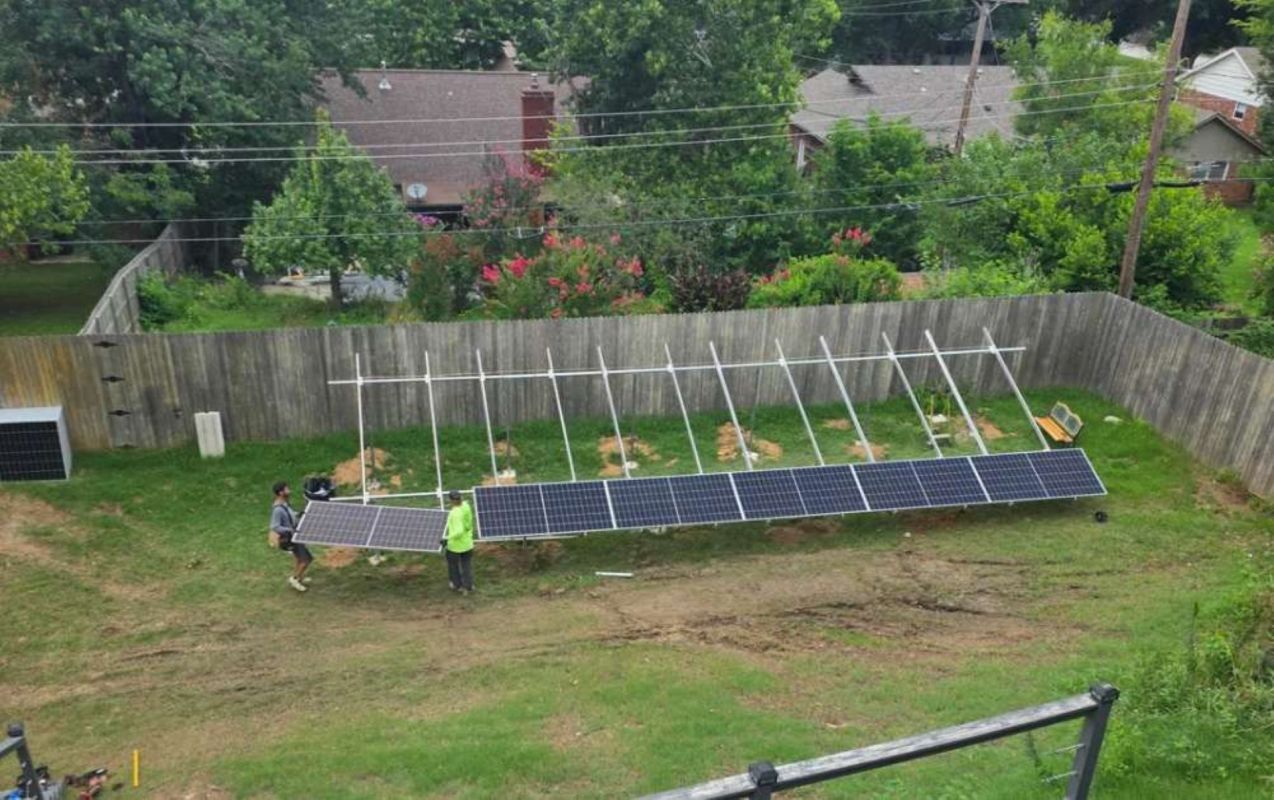
An in-progress mounted solar project posted to the r/solar subreddit is getting noticed for more than just the installation photos. People are also zeroing in on how much generating capacity the system appears to have.
Because the setup uses 24 panels rated at 590 watts apiece, the conversation quickly turned to the combined output.
What happened?
The homeowner showed off the roof hardware and module placement in a post that announced the system was getting set up today.
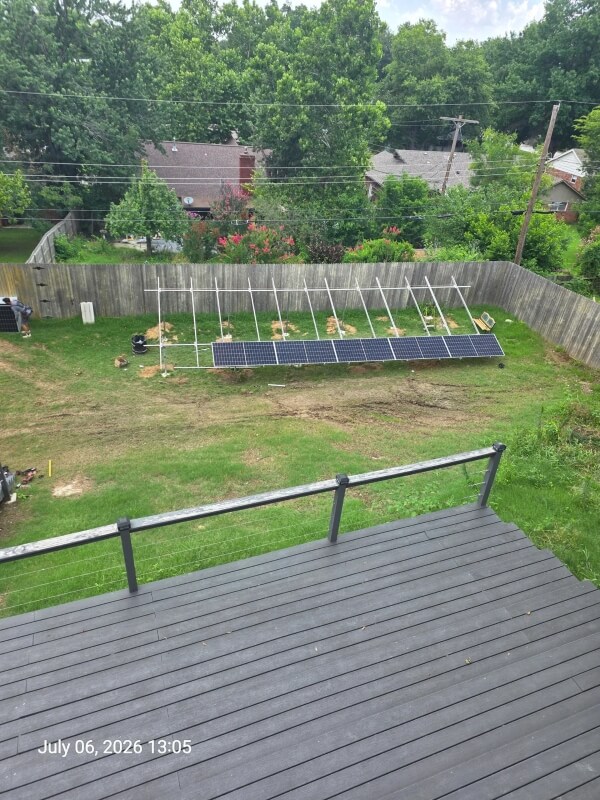
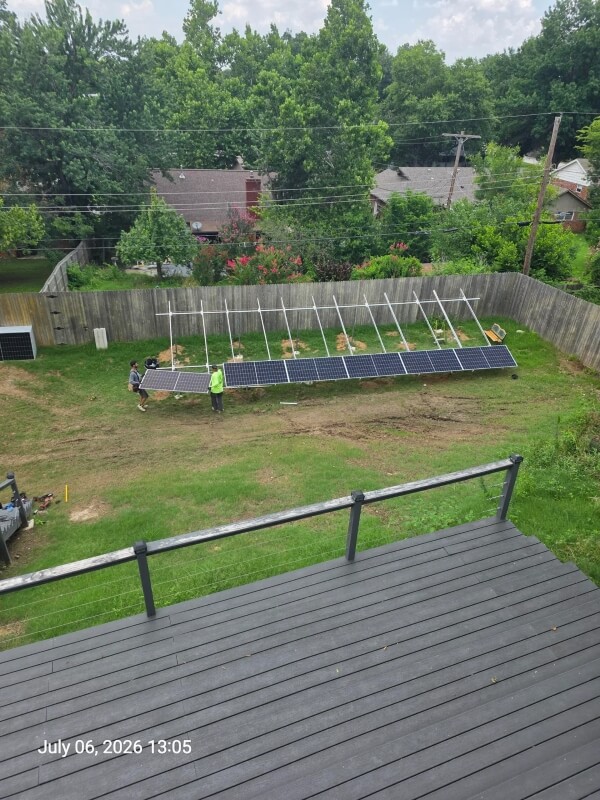
Using the numbers mentioned in the thread, Redditors calculated 24 panels generating at 590 watts each comes to 14,160 watts, or roughly 14.16 kilowatts — much bigger than the standard of 6-10 kW for a single residential home.
Crushed by your bills? See instant solar savings from vetted installers in just a few clicks With energy prices through the roof, there's never been a better time to go solar — and EasyHome can help you find the best prices from the best installers in your area. EasyHome takes the guesswork and headaches out of energy upgrades by showing you estimated savings from a network of vetted local partners. To get started, just enter your ZIP and share a few details about your home — seeing your estimate is really that easy. |

Said another: "That's a serious amount of panels for a backyard, you gonna power the whole neighborhood with that setup?" The OP joked back, saying, "The Time Tunnel in the basement is very power intensive."
Others also examined details such as the panel rating, the racking, the layout, and the overall scale of the array.
"Concrete footings every 4-5ish feet on front and back and the iron ridge system," a user assessed in response to those who worried about the system's sturdiness. "Seems absolutely great to me."
The total represents a sizable residential rooftop system, especially when achieved with fewer, higher-output panels. It can produce a substantial amount of electricity without requiring a larger number of panels.
"This full system can easily cover power for electric water heater, central AC, heat pump heating, and daily EV charging—sounds amazing," another commenter declared.
As they alluded to, going solar is one of the best ways to save money on home energy over time. If you're curious what a setup like this could look like for your home, you can explore EnergySage to get quick solar installation estimates and compare quotes.
Why does it matter?
For many households, a roughly 14-kW system could make a serious dent in utility bills, particularly in sunny regions or homes with high electricity use.
Larger panels can also be especially appealing when space is limited, since homeowners may be able to reach a target output with fewer modules.
More From EnergySage
💡Go deep on the latest news and trends shaping the residential solar landscape

When homes generate more of their own electricity, that can reduce reliance on pollution-producing power sources, lower household energy costs, and make clean energy feel more accessible to neighbors who see these projects taking shape in their own communities.
What can I do?
EnergySage's free services can make the process of finding trusted installers and getting the best prices easier. With EnergySage's help, the average person can save up to $10,000 on solar purchases and installations.
You can also check EnergySage's solar map, which shows the average cost of a home solar panel system on a state-by-state level, along with details on solar panel incentives for each state. Together, those resources can help readers get the best price for rooftop solar panels and access available incentives.
Adding battery storage to a solar setup is one of the best ways to protect your home during outages, save money on energy, and go off grid. If you want to learn more, explore EnergySage for information about home battery storage options, including competitive installation estimates.

Get TCD's free newsletters for easy tips, smart advice, and a chance to earn $5,000 toward home upgrades. To see more stories like this one, change your Google preferences here.






