


Some ornamental plants sold for home landscaping can thrive a little too well. When they escape cultivation and spread into nearby areas, they can become invasive and damage local ecosystems. That can turn what seems like an easy yard addition into a much bigger problem for gardeners and communities alike.
What's happening?
The U.S. Department of Agriculture defines an invasive species as a "non-native species whose introduction is likely to cause economic or environmental harm." As Better Homes & Gardens reported, the agency says invasive species have contributed to the decline of 42% of endangered and threatened species in the United States.
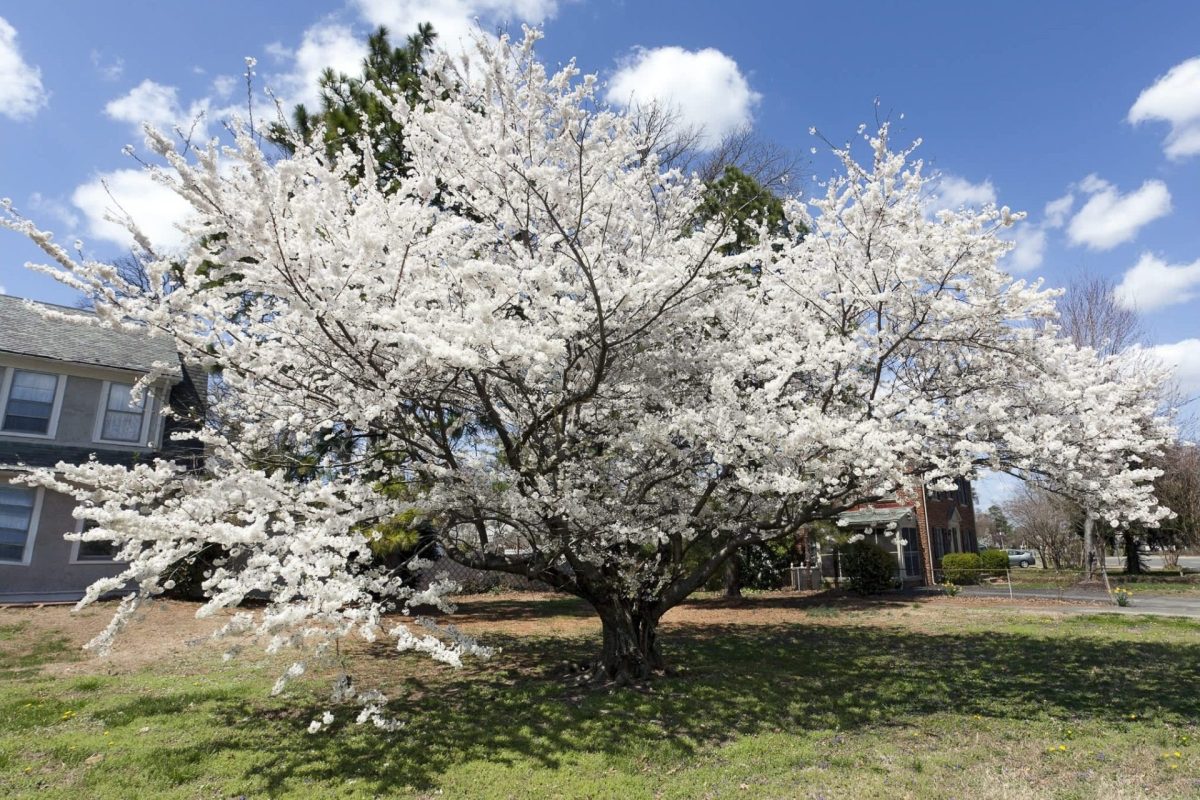
One familiar example is the Bradford, or Callery, pear, which can cross-pollinate into thorny thickets that smother native plants; some cities even pay residents to remove them. Burning bush is another common landscaping plant on a list that includes roughly 1,000 invasive plant species in the U.S.
Popular ornamentals can become serious spreaders depending on the region. In the Southeast, for example, cogongrass has been documented spreading at more than 200 square feet per day in drought conditions, and butterfly bush and miscanthus grass have also become invasive in some areas.
Why does it matter?
The problem can be easy to overlook. A plant that grows quickly, reseeds readily, and appears low-maintenance may sound especially appealing at the nursery, particularly for people hoping to create an attractive outdoor space with less effort. But these same traits make that plant an issue if it escapes the garden.
Not every unwanted plant fits that category. A native milkweed coming up in a flower bed may be unwelcome in that specific spot, but it is not considered invasive.
TCD Picks » Quince Spotlight
💡These best-sellers from Quince deliver affordable, sustainable luxury for all




The bigger issue with invasive plants isn't just that they're out of place, but that they can crowd out native species, reduce habitat for pollinators and birds, and create costly maintenance problems later on.
Many people garden for practical reasons as well as enjoyment. Growing food at home can lower grocery bills, produce fresher flavors, and provide exercise and stress relief. When invasive ornamentals take over, they can make it harder to build a resilient, productive landscape that benefits both households and local wildlife.
What can I do?
Before bringing home a new plant, USDA expert Anne Le Brun recommends learning a bit about how it grows. One key question is how it spreads, and tags that advertise something as a "good naturalizer" or say it "reseeds easily" can be warning signs rather than benefits, according to Better Homes & Gardens.
It can also help to check state invasive species watchlists, see how a plant behaves in climates similar to your own, and use extra caution when ordering online. Knowing where a plant came from may help prevent bigger problems down the road.
If you want a lower-risk garden, consider replacing potentially invasive ornamentals with native or edible plants. Doing so can make it easier to support pollinators while also helping your household grow your own food. And if you notice a species spreading in a new area, reporting it can help officials respond sooner.

Get TCD's free newsletters for easy tips, smart advice, and a chance to earn $5,000 toward home upgrades. To see more stories like this one, change your Google preferences here.






