


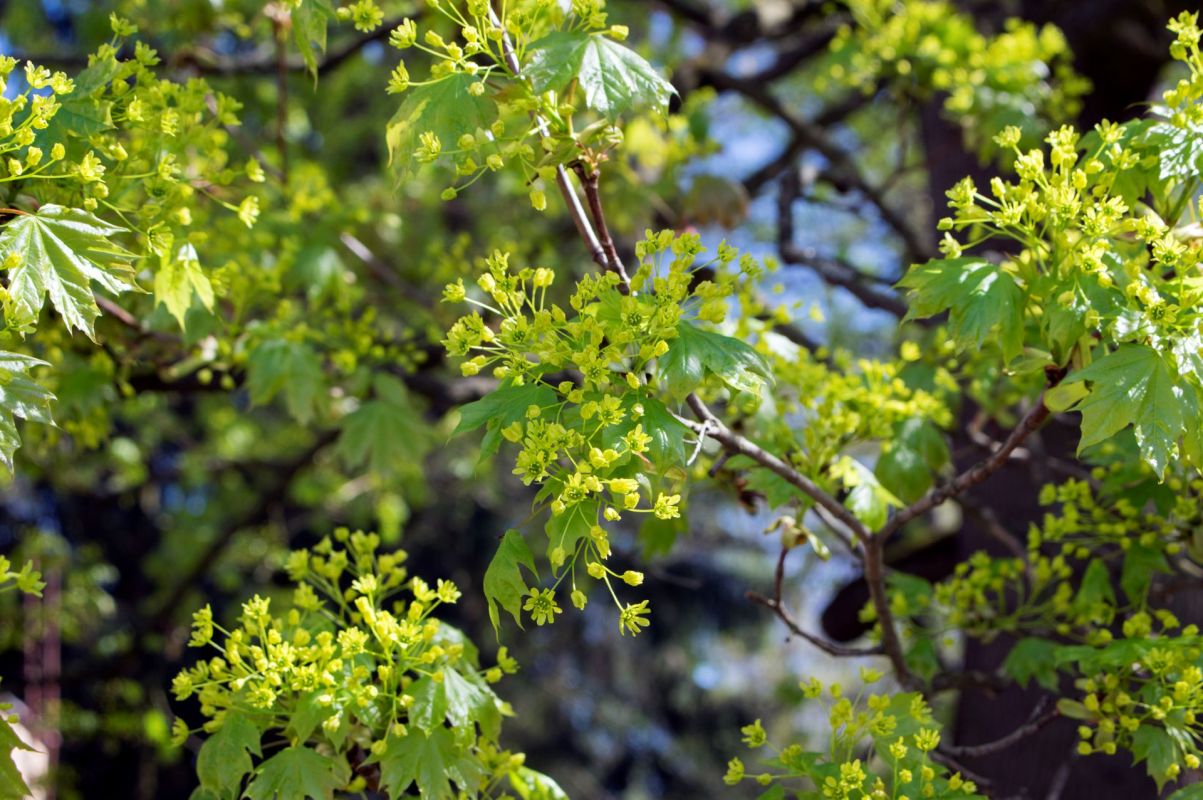
Among the plants affected by New Jersey's new invasive species law is the winged burning bush, a shrub many people still prize for its bright red fall color. It is now one of 30 species that cannot be sold, propagated, or distributed in the state.
For homeowners, that means some shrubs, vines, grasses, and trees long treated as backyard staples are now being officially recognized as environmental threats.
What happened?
Winged burning bush, Bradford pear, Japanese barberry, English ivy, Japanese wisteria, multiflora rose, Norway maple, Chinese silver grass, and running bamboo are among 30 plants New Jersey now lists as prohibited invasive species under a law enacted in January 2026, according to New Jersey 101.5.
What is already growing in home landscapes can remain in place. The restriction targets future sales and propagation, not existing plantings in homeowners' yards.
The ban also signals a broader change in how the state treats ornamental plants that were sold for decades with little warning about their impact. Many of these species escape into woods, roadsides, and other natural areas, where they push out native plants and diminish the biodiversity that healthy ecosystems rely on.
In Edison, local officials have considered repealing a year-old bamboo restriction even after 25 homeowners complained that neighbors' bamboo had spread into their yards.
TCD Picks » Quince Spotlight
💡These best-sellers from Quince deliver affordable, sustainable luxury for all




Why does it matter?
When invasive plants take over, they can weaken habitats that support birds, pollinators, and other wildlife, making neighborhoods and natural areas less resilient over time.
They can also create expensive, frustrating problems for property owners. Running bamboo, for example, sends rhizomes underground that can damage driveways and creep across property lines. A plant once marketed as an easy landscaping choice can become a costly property dispute years later.
Many residents bought these plants legally and in good faith. Now communities are left dealing with damaged yards, stressed native ecosystems, and the added cost of containment or replacement.
What can I do?
Peak growing season is often one of the easiest times to identify shrubs, vines, and grasses that may appear on the prohibited list.
If you do find one of these species, you are not necessarily required to remove it. Still, it can help to make a plan, especially if the plant is likely to spread. Bamboo near a property line is a clear example where containment can protect neighboring yards.
For other species, homeowners can gradually replace invasive plants with native or noninvasive alternatives over time rather than treating the issue like an emergency. That slower shift can help reduce future spread while restoring healthier local ecosystems.

Get TCD's free newsletters for easy tips, smart advice, and a chance to earn $5,000 toward home upgrades. To see more stories like this one, change your Google preferences here.






