


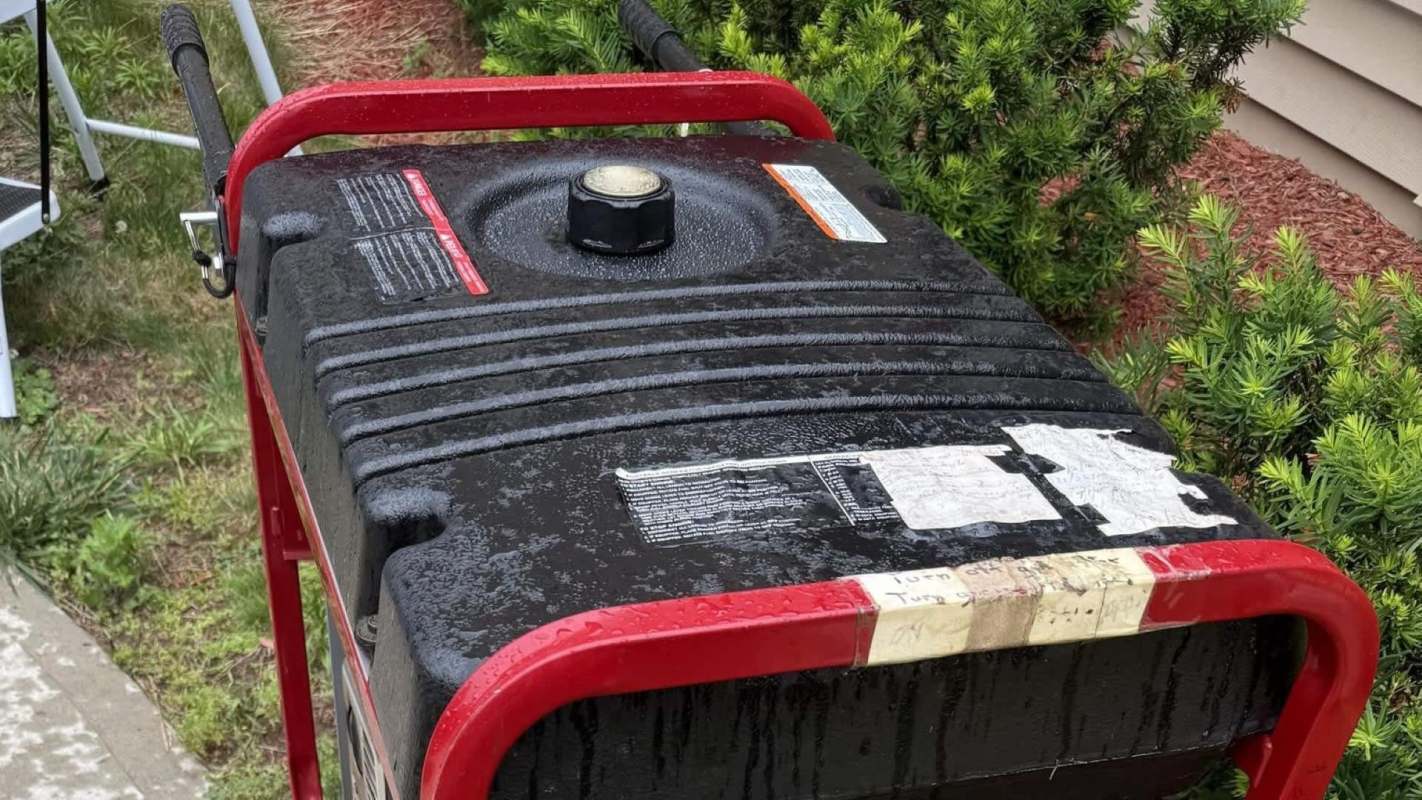
An estate-sale trip paid off for one shopper, who picked up a portable generator for $275 that, according to the post, starts on the first pull.
After bringing it home, the buyer turned to Reddit for the question many used-item shoppers eventually face: Did they get a bargain, or a possible headache?
What happened?
In a Reddit post, commenters largely viewed the purchase as the kind of secondhand win that keeps people checking estate sales and thrift-style finds, since similar equipment often costs much more when bought new.
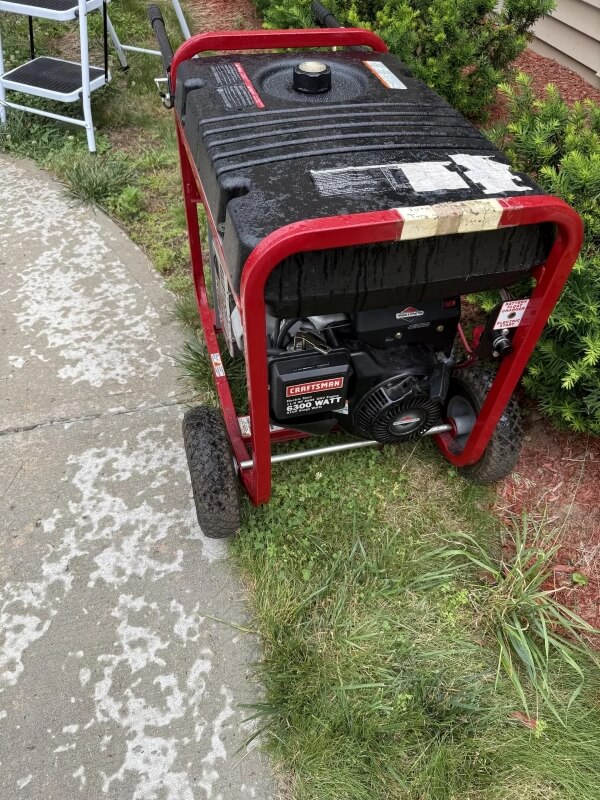
Much of the conversation focused on the factors that shape the price of a used or refurbished generator, including brand, age, wattage, and overall condition.
Commenters noted that $275 can look especially appealing for a unit that already runs, provided it appears to have been maintained and shows no obvious engine or fuel-system problems.
Some replies were less about judging the deal itself and more about evaluating the machine from here. People suggested checking the oil, air filter, and spark plug, and making sure the generator can carry a load without surging or bogging down.
Why does it matter?
Backup power has become a growing concern for households dealing with stronger storms, heat waves, and grid outages. At the same time, new generators can be expensive, making the used market one way to prepare for emergencies without paying full retail.
Shopping secondhand like the OP can help people save money on everyday needs, keep usable items out of landfills, and occasionally uncover rare or especially valuable products at steep discounts.
Save $10,000 on solar panels without even sharing your phone number Want to go solar but not sure who to trust? EnergySage has your back with free and transparent quotes from fully vetted providers that can help you save as much as $10k on installation. To get started, just answer a few questions about your home — no phone number required. Within a day or two, EnergySage will email you the best local options for your needs, and their expert advisers can help you compare quotes and pick a winner. |

For homeowners looking beyond gas-powered backup options, going solar is one of the best ways to save money on home energy. You can use EnergySage to get quick solar installation estimates and compare quotes, and figure out whether rooftop solar makes sense financially.
What can I do?
Before relying on a secondhand generator during an outage, experts and experienced owners generally recommend starting with a basic checkup: Change the oil, inspect the air filter and spark plug, look over the fuel lines for cracks, and test the unit under load. It is also a good idea to look up the model number to find the manual, replacement parts, and any recall notices.
Safety matters just as much as price. Portable generators should only be used outdoors and well away from doors, windows, and vents, and homes that rely on them should have working carbon monoxide detectors.
People thinking about energy savings can also compare other options. EnergySage's solar map shows the average cost of a home solar panel system on a state-by-state level, along with details on solar panel incentives in each state. Together, those resources can help readers get the best price for rooftop solar panels and access available incentives.
More From EnergySage
💡Go deep on the latest news and trends shaping the residential solar landscape

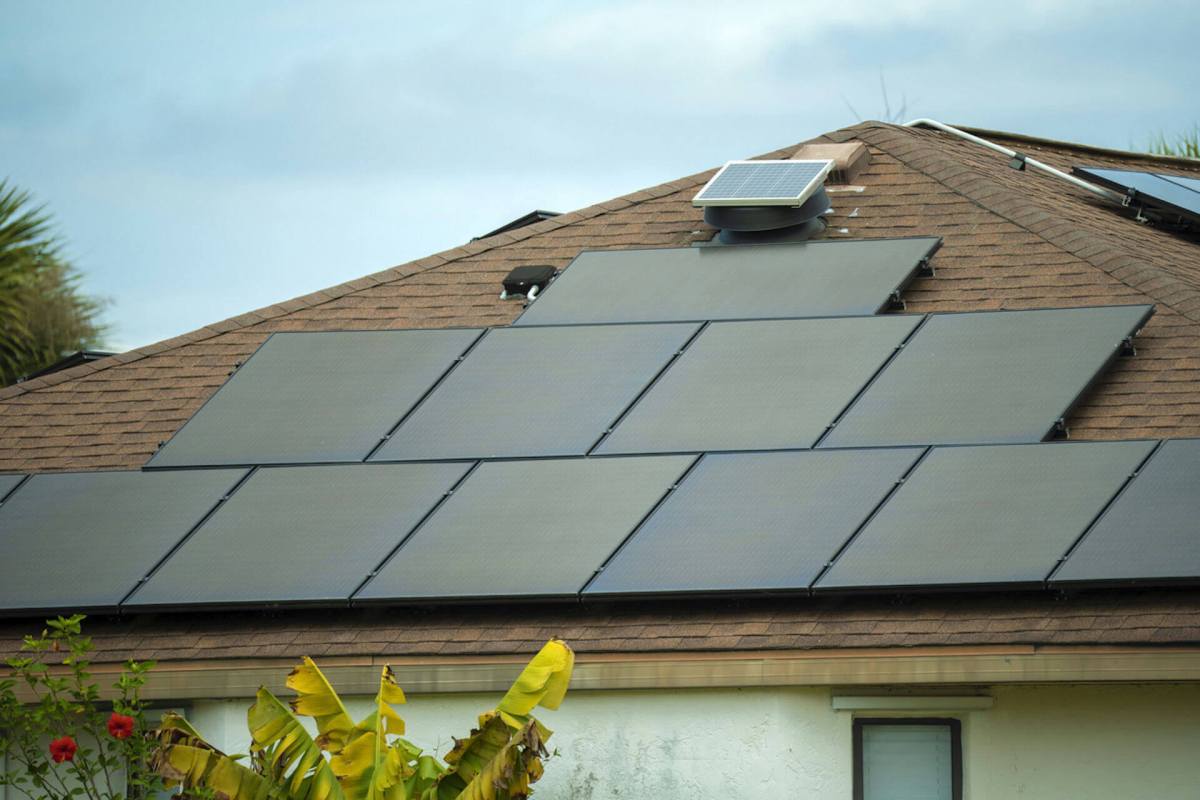

EnergySage's free services can also remove much of the guesswork from a major home-energy purchase. With EnergySage's help, the average person can save up to $10,000 on solar purchases and installations.
Adding battery storage to a solar setup is one of the best ways to protect your home during outages, save money on energy, and go off-grid. It can also provide a quieter, lower-maintenance backup option compared with relying solely on a portable generator. You can explore EnergySage for information about home battery storage options, including competitive installation estimates.
"I bought a small solar panel with clips so the battery is always at 100%," one Redditor commented on the OP's post. "Works like a charm."

Get TCD's free newsletters for easy tips, smart advice, and a chance to earn $5,000 toward home upgrades. To see more stories like this one, change your Google preferences here.






