


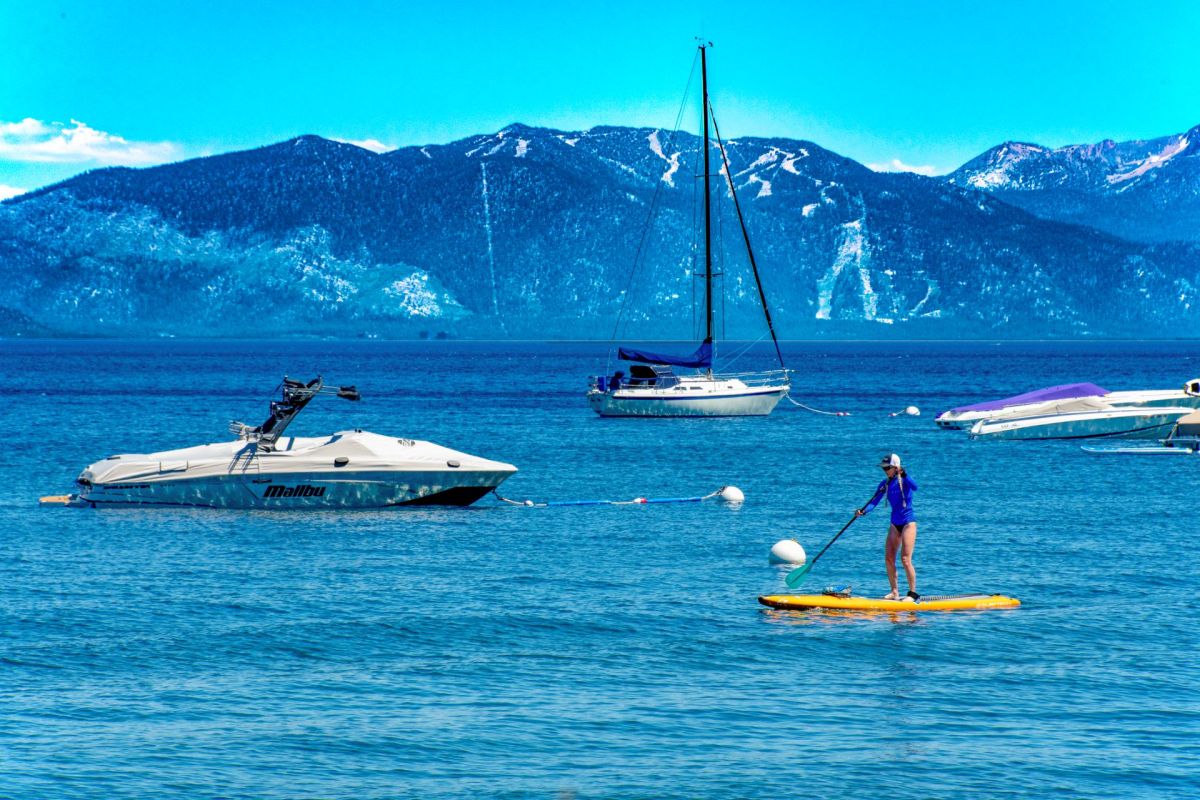
California's expanding golden mussel invasion has now reached West Sacramento, pushing the species' known range northward in the state and bringing it closer to Lake Tahoe, one of the West's most treasured freshwater destinations.
That shift is prompting new worries about Tahoe, where clear water, recreation, and parts of the local economy all rely on efforts to prevent harmful aquatic species from getting established.
What's happening?
In late June, the California Department of Fish and Wildlife announced its northernmost California detection of the invasive golden mussel: a find near the Port of West Sacramento, the Tahoe Daily Tribune reported.
The mussel, scientifically named Limnoperna fortunei, comes from China and was first found in North America in 2024. Similar to zebra and quagga mussels, it can build large colonies on hard surfaces, including rocks, boats, piers, and pipes.
This discovery marks the most northern detection since they were first found near the Port of Stockton in 2024. Officials also warn that golden mussels may prove tougher to manage than other invaders because they can tolerate a broader range of temperatures and salinity levels.
Timing adds to the concern: Tahoe is already in the height of boating season. The Tribune reported that the Tahoe Regional Planning Agency had earlier stopped boats carrying golden mussels — one in May of last year and two more in June.
TCD Picks » Quince Spotlight
💡These best-sellers from Quince deliver affordable, sustainable luxury for all




The species has already created major problems in the San Joaquin River Delta. As the Tribune reported, Stockton officials declared an emergency after golden mussels clogged a drinking water pump station, and Assemblymember Rhodesia Ransom said the state would provide $6 million for prevention and maintenance.
Why does it matter?
A Lake Tahoe infestation would be more than a boating nuisance. Golden mussels can harm biodiversity, interfere with water infrastructure, and raise maintenance expenses in a lake celebrated for both its ecological condition and exceptional clarity.
These mussels have also caused issues in Michigan, where attorneys challenged weakened EPA ballast rules that could cause further spread of invasive animals like golden mussels and zebra mussels in the Great Lakes.
Protecting public water systems could require added spending from government agencies, with the concern that these costs could ultimately land on residents, visitors, and local businesses.
Because Tahoe depends so heavily on tourism, any decline in the lake's condition could also strain outdoor recreation and local employment.
Their spread would also complicate broader freshwater protection work. Time and money that might otherwise go toward restoration or water management could instead be redirected to emergency measures and invasive-species prevention.
Jeff Cowen, public information officer for the Tahoe Regional Planning Agency, told the Tribune: "The report of golden mussels being found in West Sacramento isn't completely unexpected, as the species was first discovered in a connected waterway. Seeing them closer to Tahoe is concerning, but the watercraft inspection program protocols developed in 2025 are designed to reduce the risk of any new aquatic species being introduced."
What's being done?
Lawmakers in Sacramento are now weighing AB1772, which the Tribune said would bolster California's approach to aquatic invasive species by pinpointing funding sources, creating a contamination database for water managers, and establishing a statewide vessel-decontamination standard.
For Tahoe itself, officials are still emphasizing prevention above all else. The Tribune said the basin's Clean, Drain, Dry campaign tells people to inspect boats and gear — from kayaks and paddles to life vests — whenever they leave the water.
Motorized watercraft must also go through inspections and, if needed, decontamination.
Before taking equipment from one water body to another, the region urges people to inspect it carefully, comply with screening rules, and report suspected golden mussels to the California Department of Fish and Wildlife's Invasive Species Program with a clear photo and location information.
Anyone planning to launch at Tahoe can visit TahoeBoatInspections.com to book an appointment and check the current requirements before going.
The CDFW provides a resource for people to report sightings of animals that look like golden mussels, encouraging people to report where they saw it and a photo of the organism by emailing them at invasives@wildlife.ca.gov or calling (866) 440-9530, according to the Tahoe Daily Tribune.
"We work with scientists and partners through the Aquatic Invasive Species Coordinating Committee to regularly evaluate the program and apply new information so that it maximizes protection for Lake Tahoe and the waters of the region, while ensuring everyone can enjoy all that Tahoe offers," Cowen said.

Get TCD's free newsletters for easy tips, smart advice, and a chance to earn $5,000 toward home upgrades. To see more stories like this one, change your Google preferences here.






