


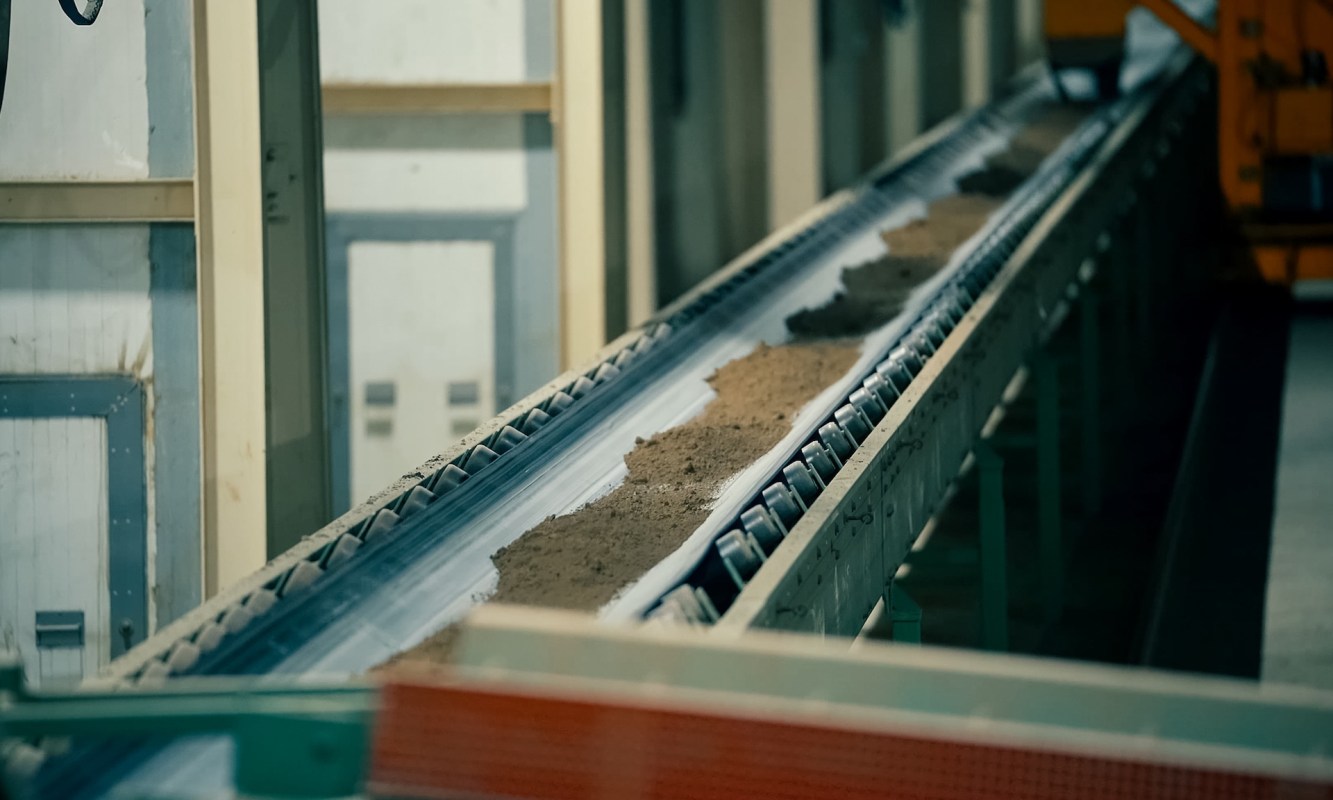
A 90% jump in annual electricity costs at an Ohio brickmaker is underscoring how the AI buildout is tightening power supply on the regional grid.
The sharp increase shows that the race to build data centers is becoming a manufacturing, affordability, and grid-reliability issue.
What happened?
At Belden Brick Company in Sugarcreek, Ohio — a business that has operated for 141 years — a monthly electricity capacity charge rose from about $1,600 to $12,000, becoming a major reason its power bill increased, as Reuters reported. Company president Brad Belden said, "That capacity charge just jumped off the page."
Across PJM Interconnection, the grid operator serving 13 states in the Midwest and Mid-Atlantic, capacity costs have soared. PJM's capacity price went from $28.92 per megawatt-day in 2024 to today's $329.17 level — a 1,038% increase driven largely by rapidly growing demand from data centers.
As of December, industrial electricity prices were up 7% nationwide from a year earlier, but the increases were much steeper in Ohio, at 26%, and Pennsylvania, at 31%.
During a recent heat wave, PJM also used emergency measures to head off rolling blackouts.
TCD Picks » Quince Spotlight
💡These best-sellers from Quince deliver affordable, sustainable luxury for all




Other manufacturers are seeing similar pressure. Reuters reported that Plaskolite, which makes plastic products, said annual capacity charges at its Ohio and Pennsylvania facilities climbed from about $200,000 a year earlier to $1.2 million.
Why does it matter?
Because many plants operate on thin margins, even moderate increases in power costs can mean higher prices, slower expansion, or shifting operations elsewhere. Paul Cicio, president of the Industrial Energy Consumers of America, said, "This can have short- and long-term impacts on whether or not these facilities can continue to operate."
AI can help utilities forecast demand, respond to outages, and better integrate wind and solar power. But the data centers needed to train and run AI models can consume enormous amounts of electricity and water, while raising concerns about grid strain, higher utility bills, security risks, misuse, and other unintended social consequences.
Established factories and new server campuses in PJM are drawing from the same power system. PJM spokesperson Jeff Shields said that data centers "can be built faster than the generation needed to serve them, driving up demand faster than supply."
What's being done?
Federal, state, and local officials are trying to respond. Reuters reported that the White House said President Donald Trump hosted tech firms for a "ratepayer protection pledge" earlier this year and issued directives to build more power plants in PJM, with the costs covered by tech firms.
Reuters noted that at least 10 states are weighing pending rules aimed at managing electricity demand from data centers. The Federal Energy Regulatory Commission is also considering a proposal that could require some large users to pay transmission charges on on-site generation as well.
Manufacturers are seeking exemptions, saying they should not be treated the same as data centers. As Cicio put it, "Manufacturers are not data centers. We should not be impacted by their effort to manage data centers."
Companies are also looking for workarounds. Plaskolite is weighing a direct natural gas supply to reduce its dependence on the grid; Tosoh SMD is considering shifting more production to overnight hours, when electricity is cheaper; and Belden said his company is exploring on-site generation as well.
Data center advocates say the boom is forcing overdue investment in the grid. Aaron Tinjum, vice president of energy for Data Center Coalition, said the industry's growth is "making us finally grapple with the difficult decisions that we were always going to have to face."
While that may be true, the speed of the growth is faster than most areas can handle. "There are going to be some companies that are on the razor's edge," said Belden. If power costs continue to rise, he warned, "Manufacturing goes as power goes."

Get TCD's free newsletters for easy tips, smart advice, and a chance to earn $5,000 toward home upgrades. To see more stories like this one, change your Google preferences here.






