A rural Michigan community has forced one of the state's biggest utilities to rethink a massive new power project.
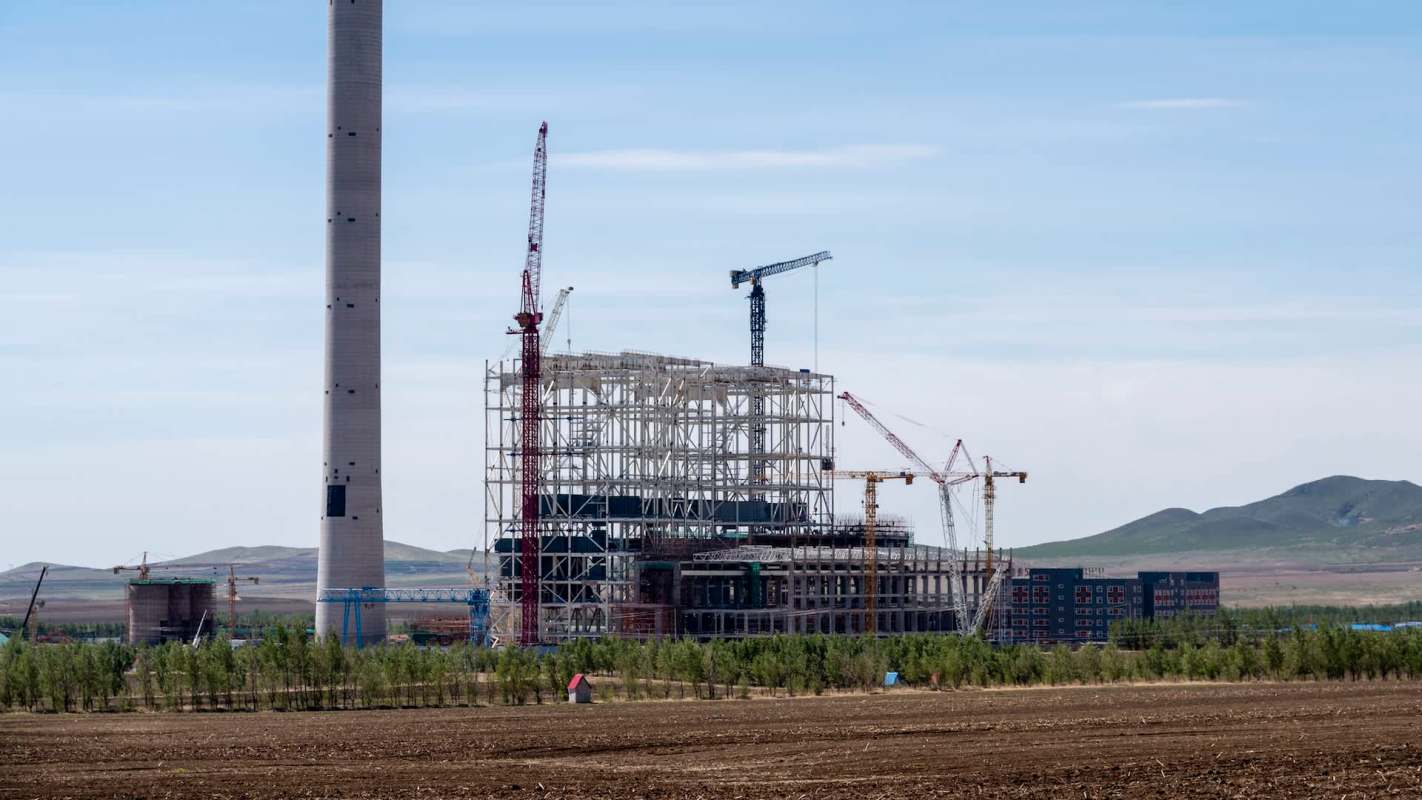
Consumers Energy has dropped its proposal for a 1.4-gigawatt plant on Lima Township farmland after a sustained local campaign that combined organizing, public pressure, and legal maneuvering.
What happened?
On July 1, people in Lima Township and nearby communities got the result they had been pushing for when Consumers Energy withdrew its proposal for a facility on a 120-acre farm site off South Lima Center Road, Michigan Advance reported.
Public opposition intensified when former DTE executive Ken Klovski investigated deep-borehole drilling on property across from his house. Searching public records, he found a Midcontinent Independent System Operator filing for a 1.4-gigawatt project near the site — large enough to rank among Consumers Energy's biggest plants.
Questions over the project boiled over at a June 1 public meeting, where Lima Township Supervisor Bill VanRiper and other residents challenged utility representatives. Klovski rejected the company's explanation, saying, "This isn't coincidental."
He argued that a plant of that size pointed to anticipated major electricity demand, although Consumers denied any link to a nearby Oracle and OpenAI data center project in Saline Township.
TCD Picks » Quince Spotlight
💡These best-sellers from Quince deliver affordable, sustainable luxury for all




The Lima Township Board of Trustees followed less than two weeks later with a 12-month moratorium on additional power-generation projects, according to Michigan Advance. Then, on July 1, Consumers said it would "release the option on the land back to the property owner" and acknowledged, "We recognize that our communication fell short to the Lima Township community to address their concerns about the project and apologize for that."
Why does it matter?
The dispute was about more than land use. It was also about health, safety, and whether a rural community would be expected to shoulder the risks of a major industrial project without meaningful transparency.
Scio Township resident Jeff Parness said, "The facts speak for themselves about nitrous oxide, sulfur oxide, the particulate matter, the carcinogens," according to Michigan Advance.
The non-renewable energy industry harms people and communities in deeply interconnected ways. Burning gas, coal, and oil worsens extreme weather disasters that destroy homes, livelihoods, and local economies; drives air and water pollution linked to asthma, heart disease, cancer, and premature death; and keeps household energy bills high even as corporate profits soar. Industry lobbying also delays cleaner, cheaper energy solutions that could better protect families, lower costs, and strengthen communities.
Klovski put it bluntly: "Data centers and power plants don't need to be going onto virgin farmland."
Residents also worried about what the project could mean for generational stability. Michigan Advance reported that Parness said some families told him, "We don't know if we can keep our family's legacy here if this happens."
What's being done?
Grassroots organizing and local government action worked together in the successful pushback. On June 6, Parness started a group called NUANCE — short for Neighbors United Against Noxious Consumers Energy, according to Michigan Advance — and it quickly grew to around 1,400 members. He also began a daily podcast aimed at Consumers Energy CEO Garrick Rochow to maintain pressure on the company.
When Parness later met Rochow in person, he argued that any future plants should be sited on brownfields or at sites where older facilities have already been retired. Recounting the meeting, Parness said Rochow told him, "I am here to assure you that we want the same outcome that you want," adding that the company had alternatives.
Meanwhile, VanRiper studied township zoning rules and helped advance the temporary moratorium that gave officials time to evaluate their legal options. That pause appears to have been a crucial tool in slowing the project.
VanRiper is now part of a broader coalition led by Chelsea Mayor Kate Henson that is developing stricter rules for future large-scale industrial proposals.
"There's no right or left, we're all fighting for the same thing," VanRiper said, per the Michigan Advance. As Parness put it: "Because at the end of the day, we're all neighbors in this."

Get TCD's free newsletters for easy tips, smart advice, and a chance to earn $5,000 toward home upgrades. To see more stories like this one, change your Google preferences here.