


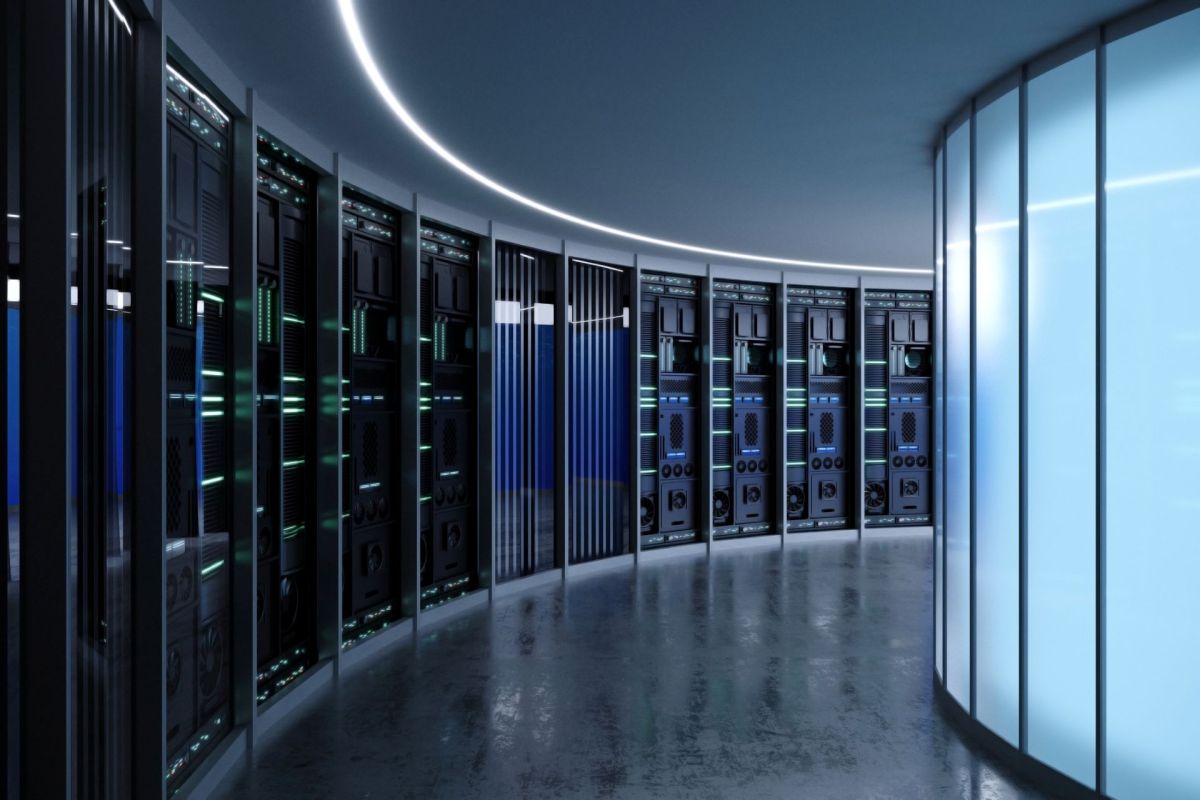
A fight over a massive AI data center in rural Michigan is getting fresh attention online after residents tried to stop the project — only to watch it move ahead anyway.
The dispute in Saline Township is a striking example of how difficult it's becoming for local communities to push back against the rapidly expanding data center buildout across the country.
What happened?
Township officials rejected a proposed $16 billion OpenAI-Oracle Stargate data center campus, a 21 million-square-foot project planned for 575 acres of farmland. In September, both the planning commission and township board voted against the rezoning request, with residents packing public meetings, posting "no data center" signs, and warning that the facility would fundamentally change the area's rural landscape.
In one widely shared image from the backlash, Fortune showed Michigan residents protesting the proposal and saying it had been pushed forward without enough public transparency. Their concerns centered on issues that are becoming increasingly common in these kinds of fights: farmland loss, truck traffic, noise, stormwater runoff, strain on emergency services, and the possibility of huge electricity and groundwater demands in a rural community.
But the "no" did not stick.
Developer Related Digital sued, arguing that the township's zoning rules effectively excluded industrial uses. The township then reached a settlement that, according to Fortune, let the project proceed while bringing in about $14 million in community benefits, including support for farmland preservation, fire departments, and environmental limits.
TCD Picks » Quince Spotlight
💡These best-sellers from Quince deliver affordable, sustainable luxury for all




Why does it matter?
The Saline data center fight matters because it shows that the artificial intelligence boom is no longer just about chatbots and software — it also means enormous physical facilities that can reshape towns, power grids, and local ecosystems.
Michigan leaders have emphasized the economic upside, saying the project could create thousands of construction jobs and hundreds of permanent positions. Developers have also said, according to Fortune, that large parts of the campus would remain as open spaces and that a closed-loop cooling system would be used to reduce water use.
At the same time, AI has deep ties to the energy grid.
These data centers can support useful tools, including systems that improve forecasting, optimize electricity use, and aid cleaner energy planning. But they also require massive amounts of electricity and infrastructure, which can raise concerns about grid strain, higher utility bills, backup diesel pollution, water use, security risks, and the broader social consequences of scaling AI too quickly.
For nearby residents, that means this is about much more than an abstract debate over tech policy. In Saline, neighbors say, as Fortune reported, that they are already dealing with dirt hauling, road wear, construction lights, and constant truck noise.
What are people saying?
Residents quoted in the Fortune article described feeling overwhelmed by a process they believe moved too quickly.
"I feel like people don't understand what's coming," nearby homeowner Kathryn Haushalter said.
Township attorney Fred Lucas said officials were caught "between a rock and a hard place," while, as Fortune reported, one land-use expert said small local governments often lack the money or legal power to fight projects backed by major developers.
As land preservation consultant Barry Lonik put it, "It's all farmland."
For many in Saline, that is exactly the point.

Get TCD's free newsletters for easy tips, smart advice, and a chance to earn $5,000 toward home upgrades. To see more stories like this one, change your Google preferences here.






