


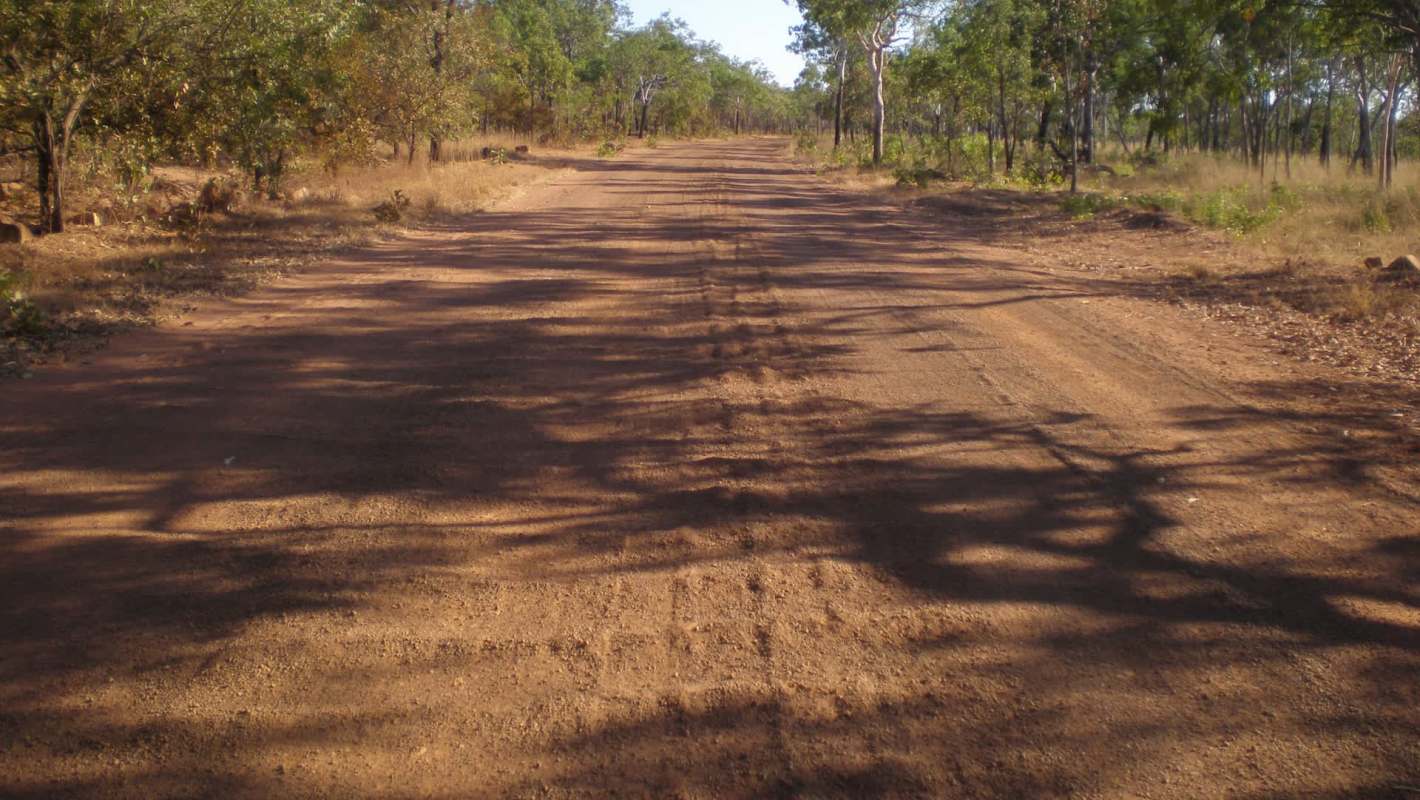
While searching Florida brush for signs of pythons, a family followed fresh marks near tire tracks and soon found itself fighting with an enormous snake.
The oversized python they brought out of the vegetation highlights just how established these invasive snakes have become in the area.
What happened?
According to the South Florida Sun Sentinel, the family, hunting pythons in Big Cypress National Preserve, ended up grappling with an enormous Burmese python after pursuing it into the brush.
Carl Jackson and his family reportedly spotted the animal's trail over their tire marks and then moved in on it.
The family captured a 16 foot, 10 inch female weighing 202 pounds, a record for the second-heaviest Burmese python caught in Florida, the Sun Sentinel reported. The capture turned into a struggle, with Jackson saying the snake pulled him through the brush and even began coiling around him. Eventually, his family were able to free him and secure the animal.
In Florida, Burmese pythons have become one of the state's most infamous invasive species.
TCD Picks » Quince Spotlight
💡These best-sellers from Quince deliver affordable, sustainable luxury for all




These snakes are not native to Florida. They were introduced through human activity, largely tied to the exotic pet trade, as some animals escaped or were released and then bred in the wild. Over time, South Florida's warm climate helped them thrive.
Why does it matter?
A python this large is a major predator. Burmese pythons are known to prey on mammals, birds, and other reptiles, putting intense pressure on native wildlife that did not evolve alongside them.
The spread of invasive pythons can disrupt local food webs, threaten pets and smaller animals, and complicate efforts to restore the Everglades. Invasive species can pose great risks in other areas of the world as well, such as in Spain's Balearic Islands, where invasive horseshoe snakes have been a threat to native wildlife.
While python attacks on humans are rare, close encounters can still be alarming, especially if a giant snake is found near a road, trail, or residential area.
Human development also plays a role. Roads, drainage systems, and expanding neighborhoods create overlap between people and wildlife, increasing the likelihood of sightings and risky removals.
When people alter landscapes and push animals outside their native ranges, the consequences can linger for decades.
What's being done?
Florida has spent decades trying to reduce python numbers through organized removal programs, public hunts, and contractor teams trained to capture the snakes.
Wildlife officials and conservation groups continue to monitor the species because every large breeding-age python removed from the landscape can limit future population growth.
People can report sightings to state wildlife authorities and should avoid approaching large snakes on their own. It is also advised to keep pets close, especially in places where invasive predators are known to live.
Stricter rules around exotic pet ownership, secure enclosures, and releasing animals into the wild can also prevent similar issues from becoming huge problems.
Protecting native habitat and reducing the chances of conflict between people and wildlife can help ecosystems remain resilient. The faster invasive species are detected and removed, the better the odds for native animals.

Get TCD's free newsletters for easy tips, smart advice, and a chance to earn $5,000 toward home upgrades. To see more stories like this one, change your Google preferences here.







