


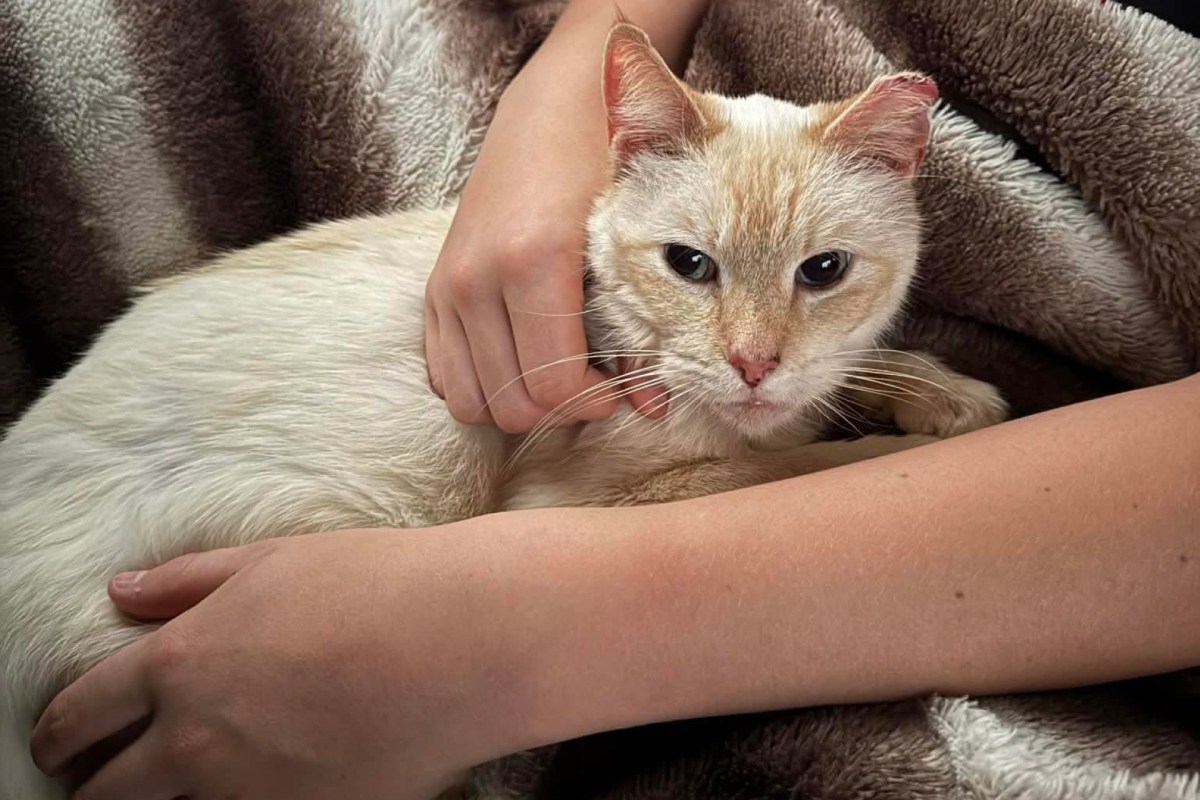
Seven years after vanishing in California during a family emergency, a cat named Dodger found his way back to his family. As People detailed, a microchip, help from a nonprofit, and a cross-country flight finally answered the question of what had happened to him.
What happened?
Dodger first turned up at Fresno Trap and Release as a stray in need of neutering, Sydney Sherman wrote in a lengthy Facebook post.
Before the procedure, Sherman wrote that they scanned him and found a microchip that led back to the Davidson family, who had been missing him for years.
The separation began in December 2018, when the Davidsons had to make an emergency move from Fresno to Florida, according to the Facebook post. They left Dodger with someone they trusted, but he disappeared before the family could bring him along.
Since Sherman was already booked to fly to Florida, she offered to take Dodger there herself so he could be reunited with his family, the post said. The meeting took place at 5 a.m., after the family drove seven hours from Georgia into Florida to see him again.
The long-awaited homecoming ended with a simple but emotional update from Sherman.
TCD Picks » Quince Spotlight
💡These best-sellers from Quince deliver affordable, sustainable luxury for all




"We were all very happy to finally have him home where he belongs with his boys," Sherman wrote in the post. "However, it was bittersweet as me, and many other kennel staff, had grown to love the handsome, talkative, and overly sweet little Dodger during the month he stayed with us."
Why does it matter?
Dodger's return hinged on a microchip that still linked him to the Davidson family about seven years after he disappeared.
The family's emergency move, temporary care arrangement, and Dodger's disappearance all unfolded during a crisis in 2018.
Rescue groups, shelters, and trap-neuter-release organizations often serve as a safety net for lost animals. When they scan for microchips and follow up, they can reconnect pets with their families.
What can I do?
Keeping the contact information linked to a microchip up to date is essential. A microchip can only help if the phone number, address, or email on file still leads back to you.
A collar tag, recent photos, and an emergency plan can also help. If a pet needs to be left temporarily with someone else, clear written instructions and backup contacts can help prevent confusion.
Local rescue groups and shelters that scan animals for chips and help reunite them with owners can play a significant role, including small nonprofits.
After seven years, Dodger's trip home was made possible by people who checked, cared, and followed through. The microchip made the reunion possible.
"This is a story about microchips and why you should not only microchip your pet but also keep the info up to date," Sherman wrote in the post.

Get TCD's free newsletters for easy tips, smart advice, and a chance to earn $5,000 toward home upgrades. To see more stories like this one, change your Google preferences here.






