


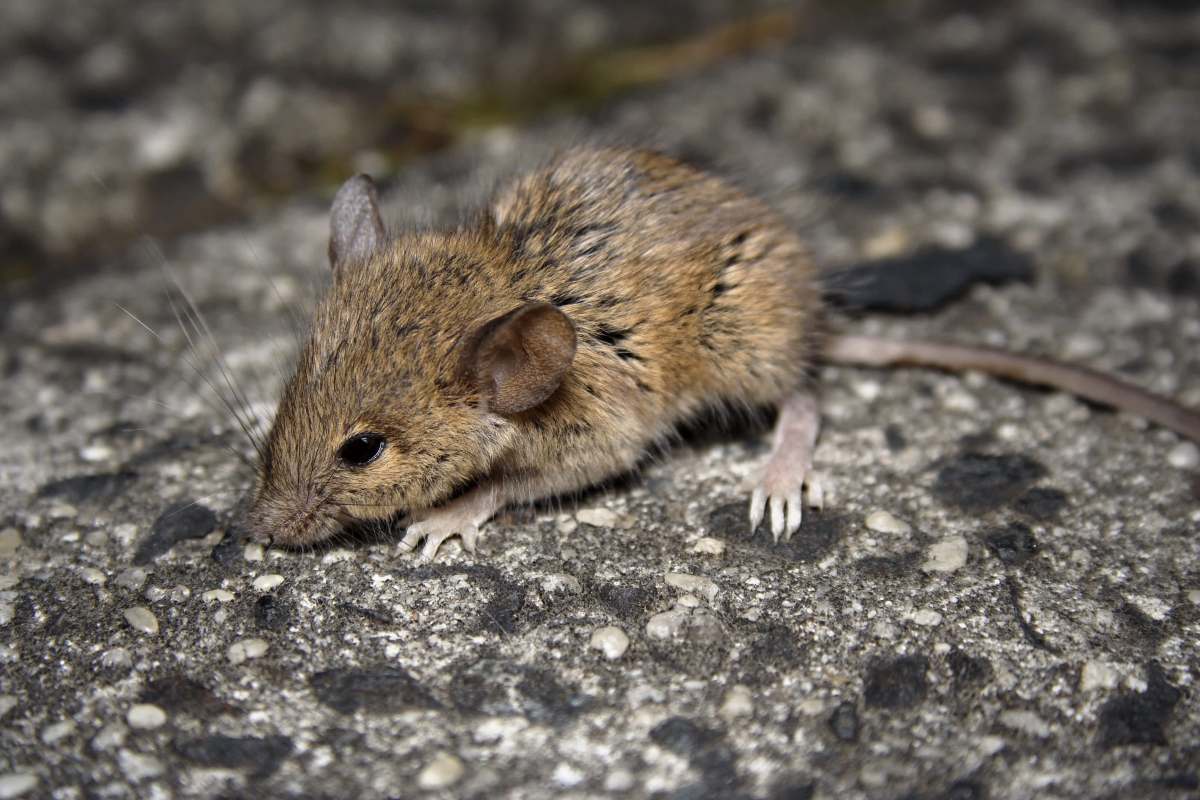
A mouse plague sweeping through Western Australia's grain belt has grown so severe that dead rodents are leaving a stench in shops, schools, and homes. Crews loading export grain say mice spill from the equipment, and residents find them in walls and beds.
What's happening?
Morawa, roughly 230 miles north of Perth, has experienced record mouse numbers since March, The Guardian reported. Populations have surged in the state's south too, and South Australia is edging toward plague levels.
The stench is "a combination of urine, feces, and decaying bodies," grain grower Geoff Cosgrove told The Guardian. "You can smell them everywhere."
Grain farmer and Morawa councillor Grant Chadwick pulled apart a wall of his home to clear out carcasses. "The smell in town is horrendous when you go in the shops," Chadwick said, according to the newspaper.
A bumper grain harvest, hail that stripped seed onto bare soil, and a parched autumn fueled the boom, said Steven Henry, a mouse ecologist with the Commonwealth Scientific and Industrial Research Organisation, Australia's national science agency.
Much of what the mice eat traces back to human food production: dense crops, seed scattered by storms, and harvests piled in sheds. Warm conditions help rodents too, and cities worldwide have watched rat populations climb as winter temperatures rise.
TCD Picks » Quince Spotlight
💡These best-sellers from Quince deliver affordable, sustainable luxury for all




Why does it matter?
Western Australia's growers bring in about 19.8 million tons of grain a year and export roughly 80% of it, per The Guardian. Any losses come out of the farmers' own pockets.
Cameron Beeck, who manages the chemical supplier 4Farmers, expects damage to the state's farms to pass 50 million Australian dollars. Chadwick alone has put more than AU$150,000 into rodent baits since December.
Henry told The Guardian a plague-hit paddock looked like Swiss cheese. Mice raid seed before it sprouts and pull up seedlings just after they emerge. A field can lose 5-50% of its crop, and some growers have sown everything twice.
The WA College of Agriculture Morawa closed for two weeks in late May after zinc phosphide was spread on its grounds by mistake. The poison isn't approved for residential use.
Carers from Bluebush Wildlife Sanctuary counted 96 birds dead or dying on a golf course and school sports field in Coorow. Bait put out for rodents can kill birds instead.
And while drought stays outdoors, mice get into walls, bedrooms, and classrooms.
What's being done?
Growers spread wheat treated with zinc phosphide, but many said they needed ZP50, a stronger and faster-acting version. Regulators clear ZP50 only for emergencies since it kills birds and other wildlife along with mice.
"You have to evaluate whether it works and balance the likelihood of it working against the likelihood of it causing damage to endangered species," said Ian Musgrave, a toxicologist at Adelaide University.
Grain Producers Australia lodged its ZP50 application April 25, and the Australian Pesticides and Veterinary Medicines Authority granted the permit May 18, as The Guardian detailed. The state has since sent AU$200,000 to hard-hit shires for bait and cleanup, and its agriculture department is testing the dead birds for toxins.
Shops around Morawa now strip their shelves every evening and stow the food away. Residents keep baiting, scrubbing, and helping neighbors.
Nobody knows whether the worst has passed or the mice will stay another season.
"It's been such a long battle," Cosgrove told The Guardian.

Get TCD's free newsletters for easy tips, smart advice, and a chance to earn $5,000 toward home upgrades. To see more stories like this one, change your Google preferences here.






