


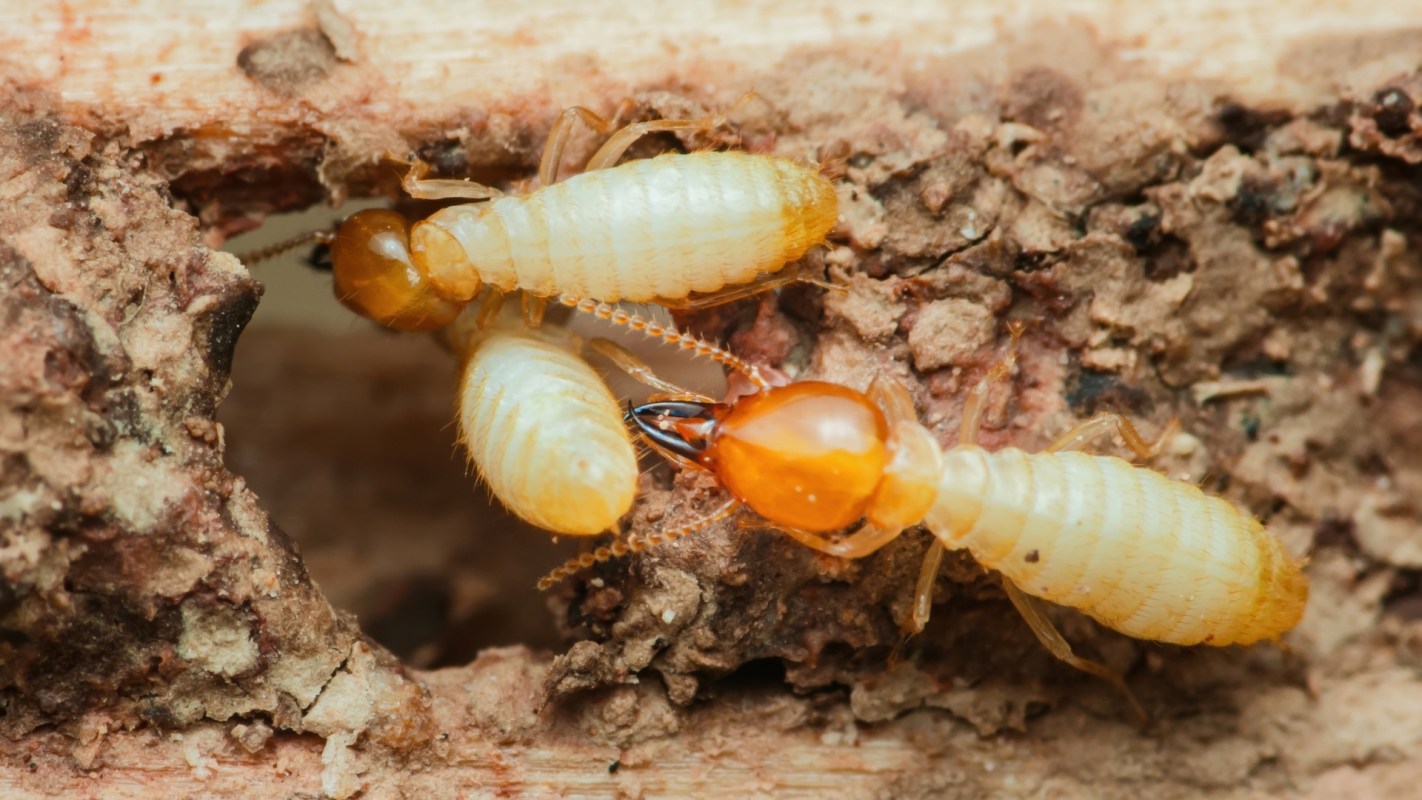
State officials in North Carolina say an invasive termite threat may be spreading to new regions, and residents should be on the lookout for it.
The insect, commonly called a "super termite," is the Formosan termite, a pest capable of creating huge colonies and causing hidden damage to houses, trees, and other structures under conditions that usually restrict native termites.
What's happening?
Formosan subterranean termites, an invasive species native to Asia, have been found in parts of North Carolina and other U.S. states, according to StarNews.
In Brunswick County, officials traced one detection to railroad ties that had been brought in for landscaping, allowing termites to hitch a ride.
According to Dr. Christopher Hayes, a structural pest management expert with N.C. State Extension, authorities acted as soon as the species was confirmed, yet it later turned up beyond that initial site.
"We recognized it quickly, responded quickly, but two years later we found them in Rutherford County," Hayes said.
TCD Picks » Quince Spotlight
💡These best-sellers from Quince deliver affordable, sustainable luxury for all




Unlike many native termites, Formosan termites can keep damaging wood even after being separated from the soil, as long as they still have access to moisture. That makes them harder to eliminate and easier to miss.
Hayes said Formosan termites can establish colonies in the millions, and he noted that the species already causes major economic losses worldwide.
"Globally, these guys do a lot of damage, estimated to be more than $1 billion in damages a year," he said.
Why does it matter?
Another concern, Hayes said, is that boats may be transporting the insects into North Carolina, with termite swarms sometimes showing up after a vessel has docked.
Formosan termites do not limit themselves to framing lumber. They can feed on a wide range of cellulose-based materials, including books, drywall, carpets, and insulation. In places where they become established, the costs can mount quickly.
In New Orleans, for example, Formosan termites have infested a large share of the city's trees and caused major damage to historic buildings. That kind of spread can strain public budgets, drive up repair bills for families, and damage the natural spaces communities depend on.
The threat could also grow as temperatures rise. Hayes warned that global warming linked to climate change may be making more of North Carolina suitable for the insects.
What can I do?
For homeowners, one of the most important steps is routine inspection.
Hayes said the insects can be difficult for nonprofessionals to distinguish from native termites, though Formosan swarmers are typically larger and their soldiers have teardrop-shaped heads.
StarNews outlined potential warning signs, which include mud tubes, heavy swarms of flying termites in late spring or early summer, shed wings near windows or lights, and damage to wood or other cellulose-containing materials.
Residents who believe they have found a Formosan termite can photograph it and send the image to NC State Extension's Plant Disease and Insect Clinic for identification. N.C. State's WolfPest app and local county extension offices can also help residents explore prevention and treatment options.

Get TCD's free newsletters for easy tips, smart advice, and a chance to earn $5,000 toward home upgrades. To see more stories like this one, change your Google preferences here.






