


During last week's intense heat, many people worried that a growing number of electric vehicles would make an already stressed power grid work even harder.
The extra support ended up coming from EVs instead.
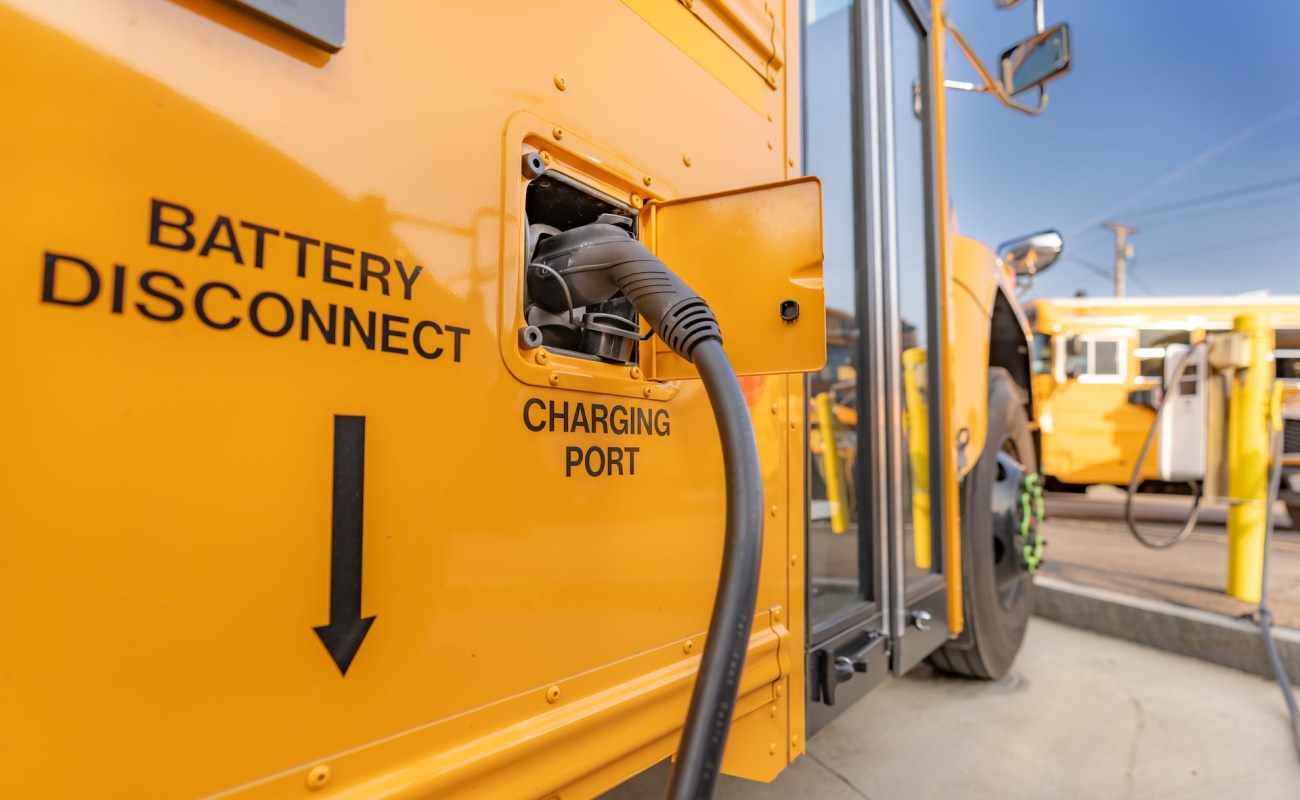
With classes out and many buses parked for summer, electric school buses were able to send stored power back to the grid, helping utilities keep air conditioners running as demand climbed.
What happened?
Electrek reported that more vehicle-to-grid (V2G) programs are enabling electric school buses to serve as backup energy assets.
Citing the World Resources Institute's Electric School Bus Initiative, Electrek said roughly 230 electric school buses across fully deployed V2G projects can collectively return up to 8 megawatt-hours to the grid at a given time.
Electrek said that is enough electricity to power about 1,600 average U.S. households for up to four hours. In a major heat wave, support at that scale can trim peak demand and reduce the risk of outages when cooling is most needed.
TCD Picks » Quince Spotlight
💡These best-sellers from Quince deliver affordable, sustainable luxury for all




Some of the biggest projects are in California.
Electrek said Oakland Unified School District's 74-bus project is projected to send about 2.1 gigawatt-hours of clean energy back into the grid each year. Next month, the San Francisco Unified School District is scheduled to launch a larger 104-bus project that, according to Electrek, is expected to return about 3 gigawatt-hours annually during peak hours.
According to Electrek, the fleet is expected to grow to more than 238 buses by 2028.
Why does it matter?
Electrek argued that if just half of the roughly 6,700 electric school buses already on U.S. roads provided the same kind of support, they would add up to well over 100 megawatt-hours of flexible energy during peak-demand periods.
Electrek reported that this flexibility could help utilities avoid costly emergency purchases on the wholesale market. That could translate into lower transmission and delivery costs for utilities and, eventually, lower costs passed on to customers.
In extreme weather, a bus battery can also serve as a mobile backup for communities experiencing blackouts, providing a place to charge phones, cool off, and stay connected.
What's being done?
School districts and utilities are increasingly treating electric buses as more than transportation equipment.
Since buses often sit unused during the summer, their batteries can be used when electricity demand spikes.
The California projects show how quickly this approach could grow. Electric buses can deliver cleaner transportation, more value from public assets, and stronger grid support during heat waves, storms, and other emergencies.
Bidirectional charging technology could also become more common in other vehicles and buildings.
As Electrek quoted Vehicle Grid Integration Council senior advisor Steve Letendre, "It's very early days," "(but) school buses will be a critically important backbone of V2G capacity."
Electrek also quoted Florida's Glades County School District transportation supervisor Angie White-Banda, "They can charge their devices. They can come in with, and sit down for a little while and cool off with cold AC."

Get TCD's free newsletters for easy tips, smart advice, and a chance to earn $5,000 toward home upgrades. To see more stories like this one, change your Google preferences here.






