


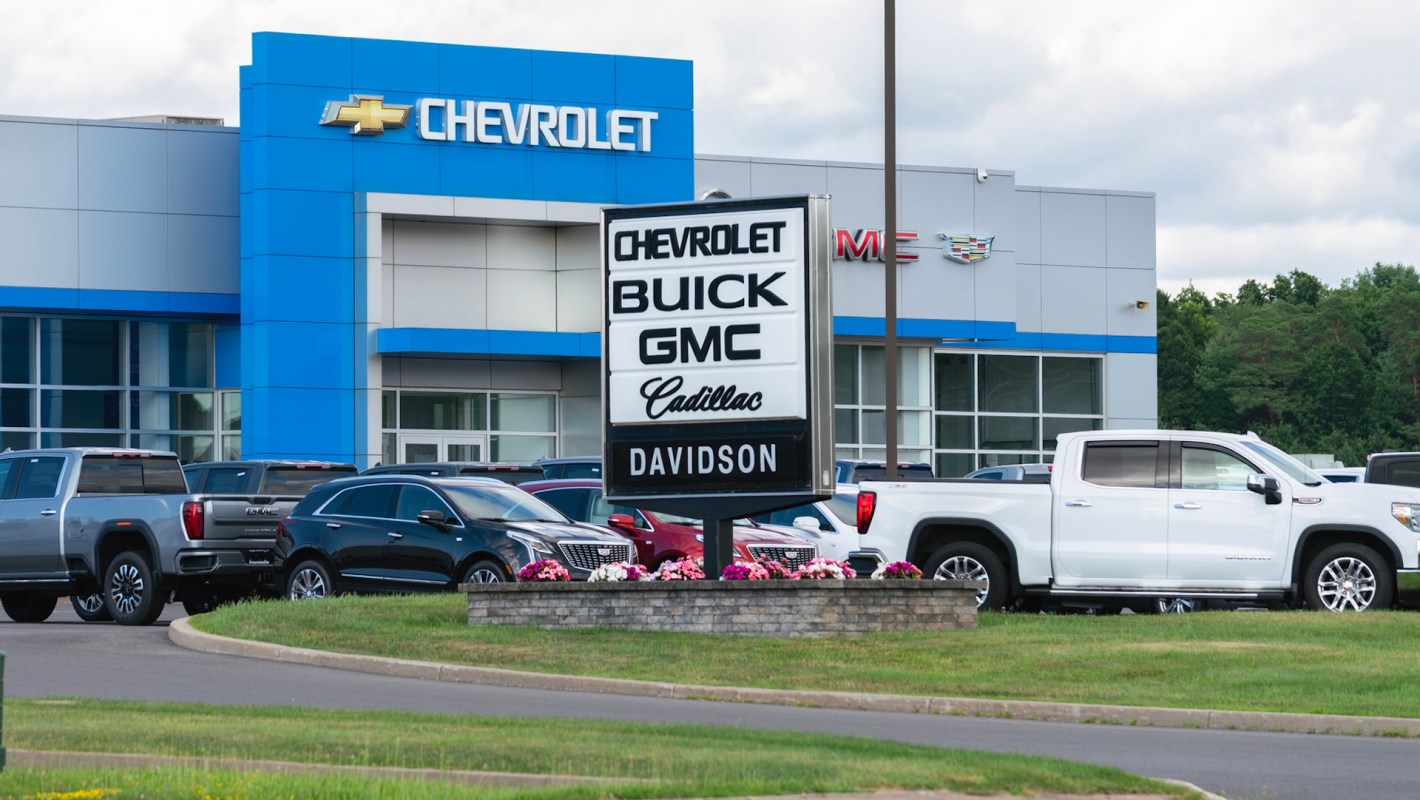
General Motors still led auto sales in the United States in the second quarter, but one part of its business moved in the opposite direction: electric vehicles.
The company's latest sales figures show EV demand can weaken quickly when purchase incentives disappear, even as high gas prices and fuel savings keep cleaner cars in the conversation.
What's happening?
Though GM sold more vehicles in the second quarter than any other automaker, its volume slipped year over year, reaching 714,896 vehicles, down from 746,588 in the same period of 2025, a 4.2% decline.
Through the first six months of 2026, GM delivered 1,341,325 vehicles, compared with 1,439,951 a year earlier, a 6.8% decrease, according to Motor1.
According to GM, part of the decline came from a smaller EV market after the $7,500 federal tax credit expired, a shift that hit low-priced models especially hard. That credit had helped make EVs more accessible to buyers looking to cut fuel costs but wary of high upfront prices.
Sales rose for just four models in GM's 11-vehicle EV lineup compared with the first half of 2025: the Cadillac Optiq, Cadillac Vistiq, Chevrolet Bolt, and GMC Sierra EV, Motor1 reported.
TCD Picks » Quince Spotlight
💡These best-sellers from Quince deliver affordable, sustainable luxury for all




Most of the rest dropped steeply, including the Chevrolet Blazer EV, which fell 75.1%, and the GMC Hummer EV lineup, which dropped 54.9%.
Even so, GM says it remained the No. 2 EV seller in the U.S. in 2026, with 56,679 electric vehicles sold. That was 32.6% lower than last year.
Why does it matter?
Affordability remains one of the biggest drivers of EV adoption.
Many drivers are drawn to EVs because they can cut maintenance costs and reduce or eliminate trips to the gas station. Without incentives, however, the sticker price can remain a barrier.
If demand weakens, automakers may scale back production, delay model rollouts, or focus more heavily on high-margin vehicles instead of the low-cost EVs many families are waiting for.
Slow sales, however, can create opportunities for shoppers. Brands may respond with discounts, better financing options, or lease deals in an effort to attract buyers.
Flagging EV adoption means gas vehicles stay on the road, locking in planet-warming pollution. A competitive market with a wide range of electric options gives buyers who want cleaner transportation more choice.
What can I do?
The end of the federal tax credit does not mean all savings have disappeared.
State and local rebates, utility incentives, and dealer promotions can still reduce the total cost of an EV, and a softer market may create opportunities to find better prices.
Used EVs can also make sense, especially for drivers with short commutes who want to cut fuel spending. For many households, charging at home and driving electric can still add up to meaningful monthly savings. Consumer demand can keep affordable, low-pollution options on the market.
GM's latest report shows that the transition to cleaner cars is still moving forward, just not in a straight line. As Motor1 put it, "The data is truly puzzling."

Get TCD's free newsletters for easy tips, smart advice, and a chance to earn $5,000 toward home upgrades. To see more stories like this one, change your Google preferences here.






