


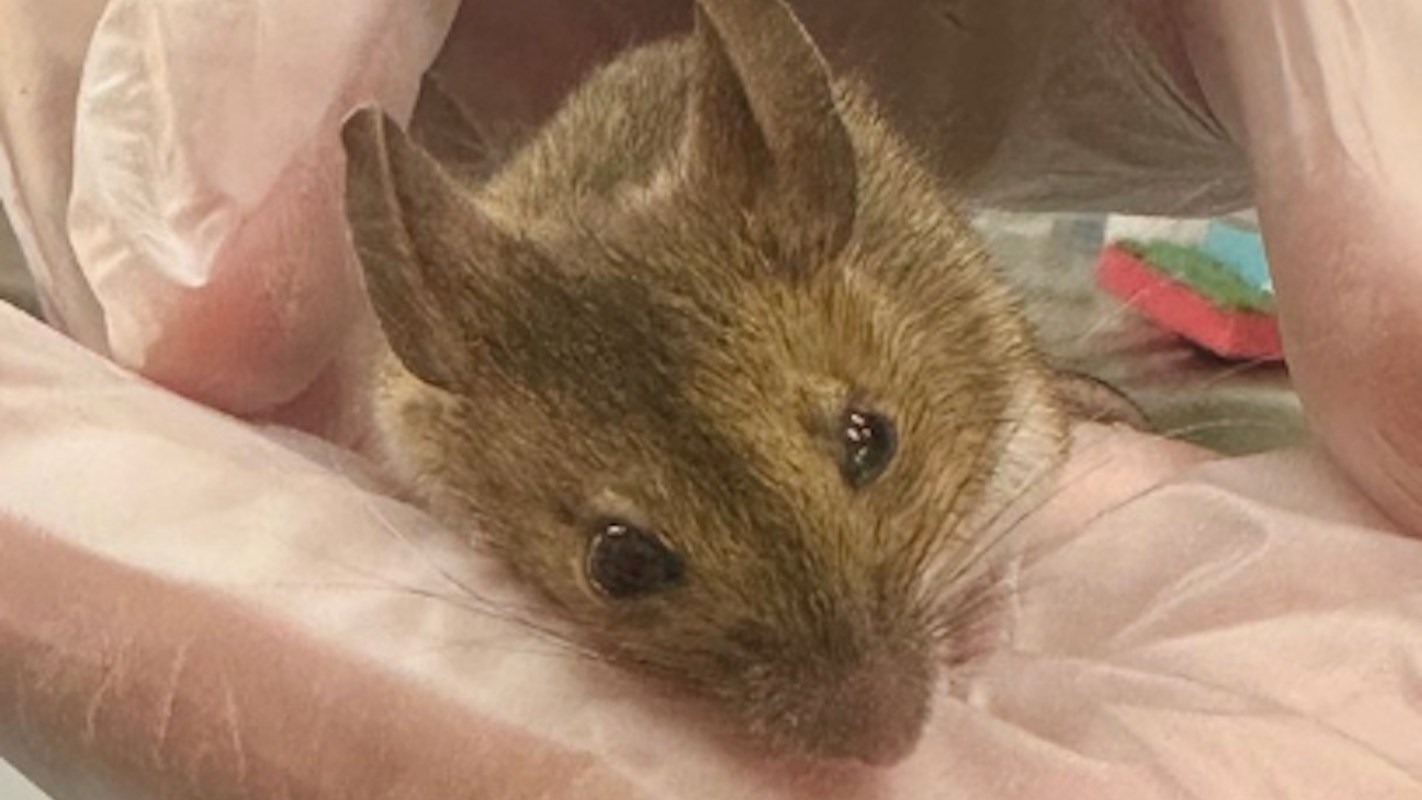
A tiny field mouse recently got the kind of second chance most wild animals never do after surviving a close call with a neighborhood cat.
The animal was brought in after the incident, treated and checked by vets, then returned to the wild before the day was over, as the Wildlife Aid Foundation (@wildlifeaid) documented.
What happened?
The Foundation shared the rescue in an Instagram post, saying the mouse arrived after "a frightening encounter with a neighbourhood feline."
The group opened its update in the caption with a fitting line: "Fast is an understatement, blink and you'll miss her!"
Staff said she "kept our team on their toes throughout her stay," as the mouse stayed so active that vets had to wait for a brief pause before they could properly assess her.
That examination led to medication and an all-clear, so rescuers were able to send her back into the wild later the same day.
TCD Picks » Quince Spotlight
💡These best-sellers from Quince deliver affordable, sustainable luxury for all




The charity added that field mice, also known as wood mice, escape predators with powerful jumps and quick bursts of speed.
"After meeting this little speedster, we can certainly believe it!" they concluded on Instagram.
Why does it matter?
For a wild animal this small, even a brief encounter with a cat can be life-threatening. Injuries are not always immediately visible, and stress alone can pose serious risks for tiny mammals.
Wildlife rehabilitation also extends to small animals such as field mice, which play important roles in local ecosystems, including supporting the natural food web as prey for other species.
Free-roaming pets can have serious consequences for backyard wildlife. What may seem like a minor interaction can leave a wild animal in urgent need of care.
A professional examination, medication, and expert judgment can determine whether an animal is cleared for release.
What's being done?
Wildlife rescue organizations such as Wildlife Aid Foundation treat injured animals and return them to their habitats as soon as it is safe. In situations like this one, minimizing time in captivity can help reduce additional stress on wild animals.
Veterinary triage is a major part of that process. Even when an animal appears alert and mobile, trained rehabilitators can check for hidden injuries, infection risk, and whether medication or further observation is needed before release.
Keeping cats indoors, supervising outdoor time, or using enclosed "catio" spaces can lower the risk to birds and small mammals that share neighborhood green spaces.
If someone finds an injured wild animal, the safest step is usually to contact a licensed wildlife rehabilitator or local rescue organization for guidance. Limiting handling and keeping the animal somewhere quiet while waiting for expert help can make a meaningful difference.
For this field mouse, the prognosis was positive.
"Released later that very same day, she disappeared back into the wild in the blink of an eye like nothing had ever happened!" the Wildlife Aid Foundation shared in the caption.

Get TCD's free newsletters for easy tips, smart advice, and a chance to earn $5,000 toward home upgrades. To see more stories like this one, change your Google preferences here.







