


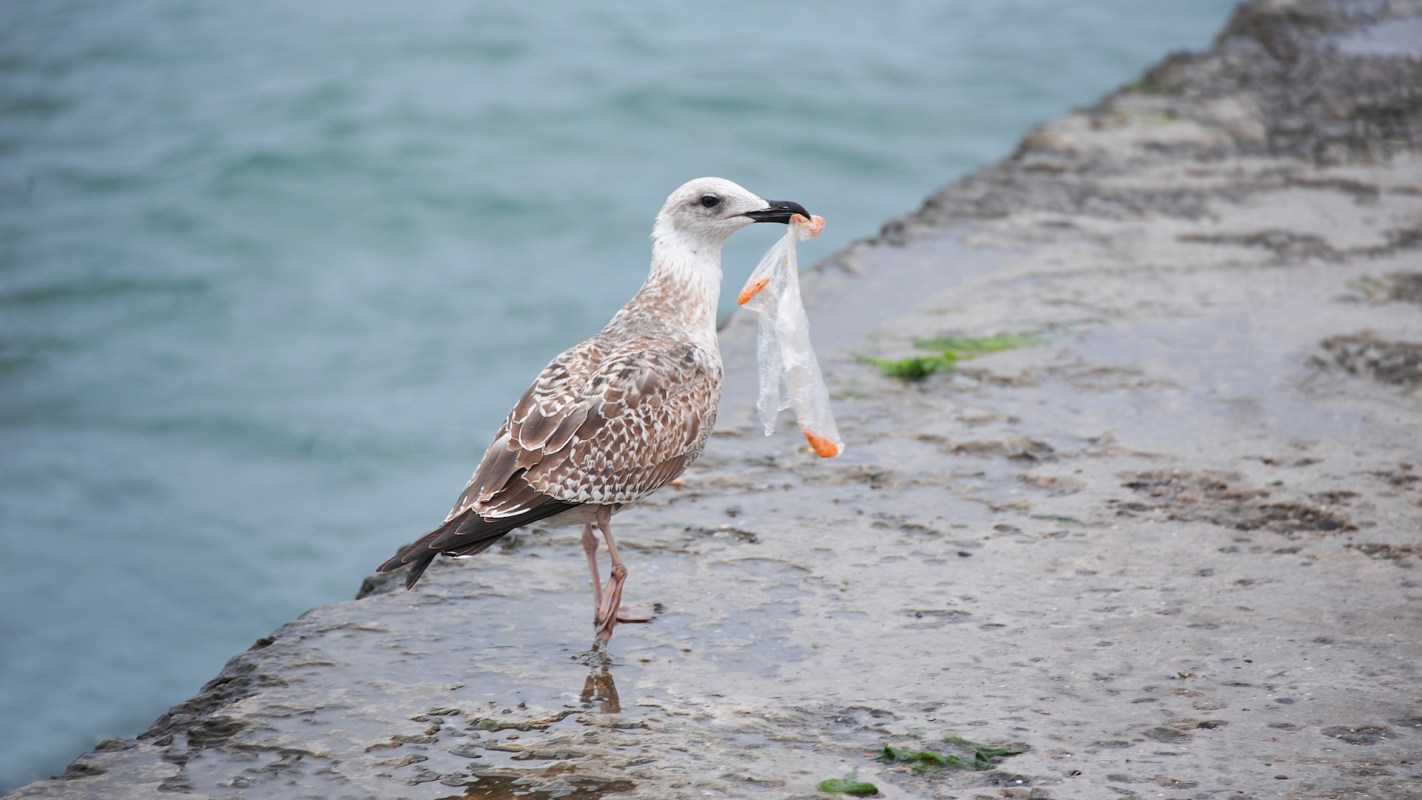
Plastic pollution is not just washing up on beaches or floating offshore. The trash is making its way into the food chain of some of the ocean's most vulnerable animals. For seabirds, that can mean a deadly mistake repeated again and again, as one conservation group shared.
What's happening?
Marine conservation organization group Oceana warned that "the plastic crisis is DEVASTATING for seabirds" in a post to their Instagram account (@oceana)
In the photos on display, birds are seen surrounded by plastic, consuming it unwittingly, and getting entangled in it. With that backdrop, Oceana described a grim reality in the caption.
"Every year, seabirds around the world mistake floating plastic for food," the group wrote. "They feed it to their chicks. They get entangled in it. And many don't survive."
Rather than describing a single isolated event, the message pointed to a global pollution crisis affecting birds across marine ecosystems.
Even birds that spend most of their time far out at sea are still encountering discarded plastic.
TCD Picks » Quince Spotlight
💡These best-sellers from Quince deliver affordable, sustainable luxury for all




"Today, seabirds can't escape the deadly reach of plastic pollution," Oceana wrote.
Why does it matter?
Plastic eaten at sea can injure seabirds right away or wear them down over time. Packaging scraps and other throwaway debris can take up space in their stomachs, leaving less room for real nourishment and weakening the birds.
That danger can extend to the nest as well, since adults may bring the debris back to their chicks before the young can survive on their own.
Another serious risk comes from plastic entanglement. Light, flexible waste can catch around wings, feet, or necks, turning normal feeding and migration into potentially fatal events.
Because seabirds are often used as indicators of ocean health, threats to them can also point to larger troubles in marine ecosystems that people depend on for food, jobs, and coastal protection.
The convenience of single-use plastic does not end once an item is thrown away. Waste that slips through collection systems can travel vast distances and persist long enough to harm wildlife far from where it was originally used.
What's being done?
Cleanup efforts cannot fully solve a problem that keeps growing as more disposable products enter the waste stream. In its post, Oceana emphasized two broader responses that include reducing single-use plastics before they become pollution and strengthening protections for the ocean.
Source reduction can include policies that limit unnecessary single-use plastic products, encourage reuse, and improve packaging systems so less material becomes pollution in the first place.
Stronger ocean protections can also help by directing more attention and resources to vulnerable habitats and species already under strain.
"By reducing single-use plastics at the source and advocating for stronger ocean protections, we can give them a fighting chance," Oceana concluded in the caption.

Get TCD's free newsletters for easy tips, smart advice, and a chance to earn $5,000 toward home upgrades. To see more stories like this one, change your Google preferences here.







